
Why Use Player Ratings for Better Local Sport
November 13, 2026 · Chris Palmer
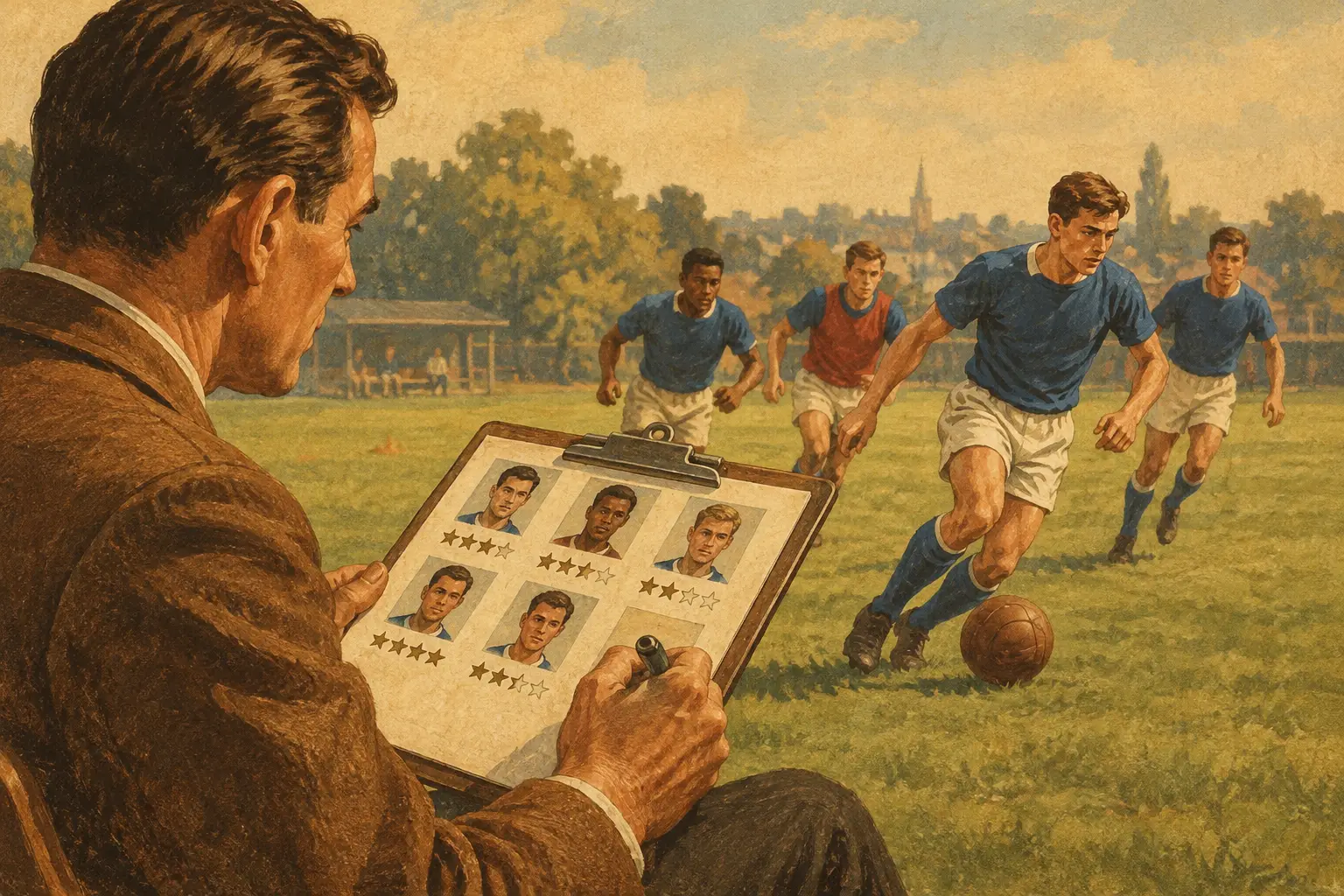
A brilliant pickup game can fall apart before the first whistle. One side has three regular league players, the other has people trying the sport for the first time. Someone arrives late, another plays far too aggressively, and nobody knows who they are joining. That is why use player ratings is a bigger question than simply deciding who is the best player. Done well, ratings help communities create games people actually want to come back to.
For players, organisers and venues, the value is not a public scoreboard. It is better information. A rating can show who is reliable, who plays fairly, who is improving and what standard of game is likely to be enjoyable. That makes it easier to turn a vague plan to play into a proper match with the right people.
Why use player ratings after local games?
Local sport runs on trust. In a long-standing club, trust builds naturally over months or years. In open runs, holiday games, university sessions and new neighbourhood groups, you often meet people you have never played with before. Ratings give that trust a starting point.
They can help a basketball organiser balance a 5v5 run, let a tennis player find an opponent for a competitive but friendly set, or help a beginner choose a welcoming football session instead of being dropped into an intense game. Across 122 sports, the details change, but the need is the same: people want to know whether a session suits them before committing their evening.
A useful rating system also recognises that ability is only one part of being a good person to play with. The player who turns up on time, encourages new teammates and respects the rules can make a community stronger than the most technically gifted player who treats a casual game like a trial. Good ratings make room for both performance and sportsmanship.
Better matchups create better games
The clearest benefit is competitive balance. When levels are roughly aligned, everyone gets more touches, more meaningful moments and a better chance to improve. A close game is usually more memorable than a one-sided result, whether it is five-a-side in Manchester or a lunchtime badminton session with colleagues.
Ratings make sorting less dependent on whoever shouts loudest or claims they are "decent". They give organisers a practical signal when creating teams and players a clearer idea of what to expect. This does not mean every game has to be perfectly even. Sometimes you want a relaxed social run, and sometimes you want the hardest challenge you can find. Ratings help people choose deliberately.
They are particularly helpful for newcomers. Joining an established sports group can feel intimidating when everyone else appears to know the unwritten rules. A well-designed profile and recent player feedback can point newcomers towards suitable events, while giving regulars confidence that new faces will be welcomed into the right format.
Recognition keeps participation moving
Most recreational players are not chasing a professional contract. They still care about getting better. Seeing progress after a month of games can be the nudge that gets someone out on a wet Tuesday rather than cancelling.
Player ratings can make improvement visible. Perhaps a player becomes more consistent in tennis, learns to read the game in football, or starts contributing more confidently in netball. When ratings sit alongside stats, goals, trophies and achievements, effort has a record. The point is not to turn every match into a performance review. It is to give players evidence that showing up matters.
Recognition is powerful when it is specific. A post-match rating that values teamwork, reliability and fair play sends a healthier message than one vague number ever could. It tells people what the community wants more of. If the culture rewards good behaviour as well as good results, players have a reason to bring both.
Player ratings should measure more than skill
The weakest systems reduce a whole person to one score. That can create cliques, make beginners feel written off and reward people who know how to game the system. A player rating should be a useful signal, not a permanent label.
That means context matters. A strong rating in one sport should not automatically carry across another. A brilliant seven-a-side footballer may be brand new to padel. Equally, a player who has one rough game after returning from injury should not be judged as if that match tells their whole story.
A stronger approach separates the things that matter. Skill level can help with balanced matchups. Reliability can help organisers decide who is likely to attend. Sportsmanship can tell people whether a competitive game will still be enjoyable. Recent activity can show whether the information is current. Together, these signals are far more useful than a single popularity contest.
Ratings need enough participation to be meaningful, too. One glowing review or one harsh review says little. Patterns over several games are more credible. The best communities encourage quick, honest feedback after playing, rather than allowing old grudges or friendship groups to dominate a profile.
Fairness needs rules, not just good intentions
Any rating feature has trade-offs. People bring bias into sport, even when they do not mean to. Friends may rate friends highly. Losing teams may blame an opponent. Women, beginners and quieter players can face different expectations from louder or more established players.
The answer is not to avoid ratings altogether. It is to design them with care. Feedback should be tied to real events and clear criteria. It should be easy to report abuse, and no one should be able to punish another player simply because they lost. Systems should look for unusual patterns, such as repeated low ratings from the same group, and avoid giving one person too much influence.
Language matters as well. Calling someone a low-rated player can feel dismissive. Framing ratings as a current match-fit signal is more accurate and more motivating. People improve, change sports, take breaks and have off days. The system should leave room for that reality.
How to use ratings without making sport less fun
The best test is simple: does the rating help someone get into a better game? If it does, it is serving the community. If it mainly fuels arguments, exclusion or status chasing, it needs work.
For players, the practical move is to rate honestly after a match. Reward opponents and teammates who played fairly, communicated well and helped create a good session. Do not confuse losing with having a bad experience. A tough opponent who plays within the rules may be exactly who you want to face again.
For organisers, use ratings as one input, not the only input. Ask what type of session you are creating, then balance teams around the relevant level. Keep an eye on new players and rotate sides where needed. A high-skill game can still be welcoming, while a beginner event can still feel properly competitive.
For communities building sport technology, ratings should lead to action. They should make it easier to create an event, issue a challenge, join a team or enter a league that fits. That is the thinking behind Crewters: sport should feel social, competitive and rewarding, not like another admin task. Players should also have a say in how the tools evolve, because the people on the court, pitch or track see the gaps first.
Build a reputation worth playing for
A strong local sports scene is not built by rankings alone. It is built by people who turn up, make space for others and keep the standard of play honest. Player ratings can support that culture when they reward the behaviours that make games work.
Use them to find your level, challenge yourself and recognise the people who make every session better. The real win is not a higher number on a profile. It is having a crew ready for the next game, and knowing it will be worth showing up for.