
What Is a Pickup Game? How It Really Works
April 23, 2026
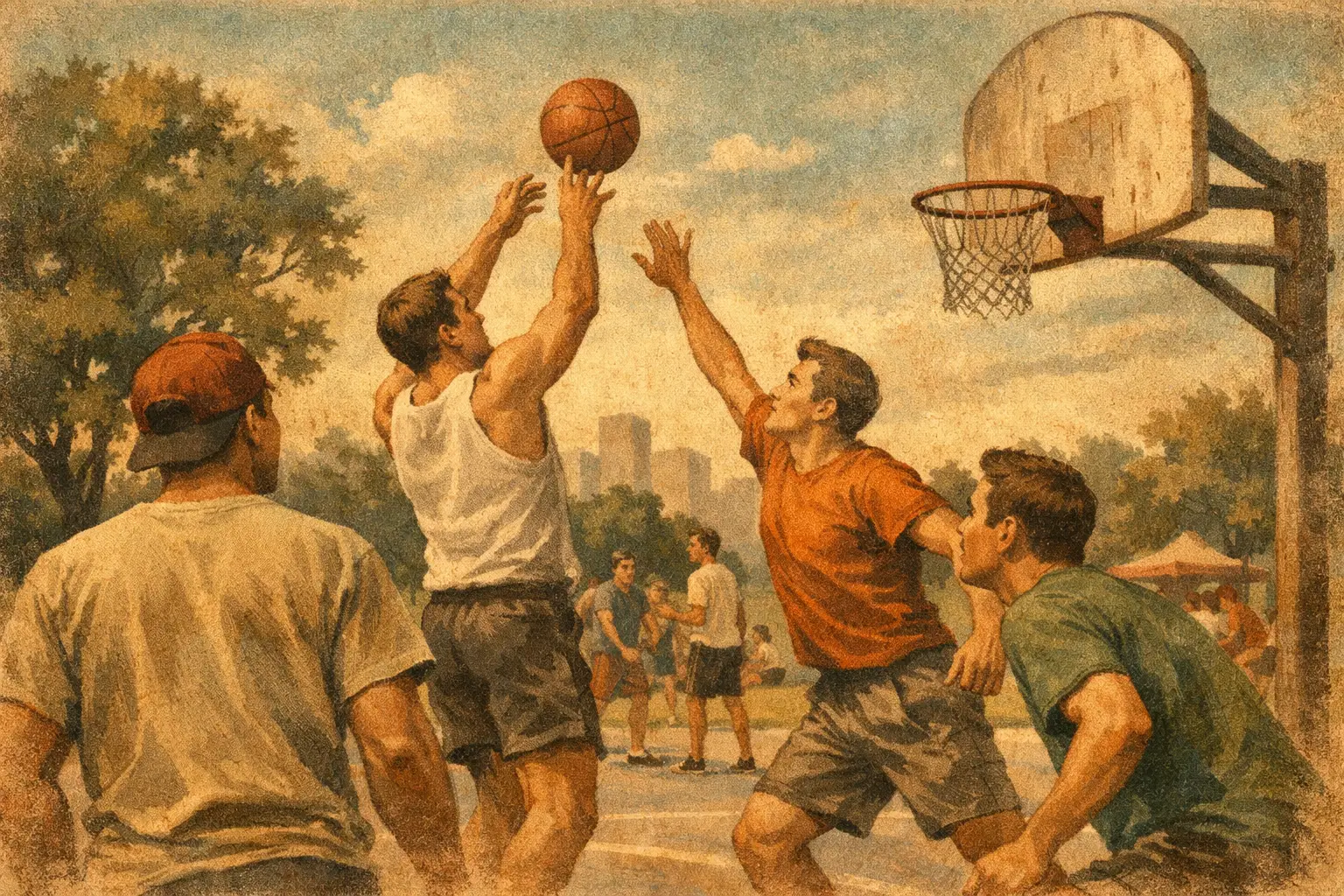
You show up to a court, field, or park with your gear, maybe one friend, maybe nobody. A few people are already warming up. Someone asks, “You got next?” That’s the whole entry point. If you’ve ever wondered what is a pickup game, it’s basically sports at street level - flexible, social, competitive, and open enough that you can start playing without joining a formal league.
A pickup game is an informal game organized by the players themselves, usually without coaches, official refs, season schedules, or long-term commitments. It can happen in basketball, soccer, tennis, volleyball, flag football, and plenty of other sports. The exact format changes by sport and location, but the spirit stays the same: people want to play, so they make a game happen.
What is a pickup game in sports?
At its core, a pickup game is low-friction play. People gather at a time and place, split into sides, agree on basic rules, and get after it. Sometimes the game is truly spontaneous. Other times it’s lightly organized through a group chat, a local community, or an app. Either way, it’s still pickup because the focus is participation first, structure second.
That difference matters. A league game usually has fixed rosters, registration, standings, and a schedule you follow for weeks or months. A pickup game asks for much less. You can play once, play every weekend, bring a friend, or jump in while traveling. It meets people where they are.
For a lot of players, that’s the appeal. You don’t need to commit to a season just to get a run in. You can test a new sport, stay active between league games, or find your rhythm again after time away.
How pickup games usually work
Most pickup games start with a simple need: enough people to play. Once that happens, the rest is negotiated on the spot. Teams might be chosen by whoever arrived first, by captains, by matching positions, or just by balancing skill levels. The rules are often local. A basketball run might be make-it-take-it at one court and alternating possession at another. A soccer game might use small goals, no goalie, and rolling subs because that fits the space and turnout.
There’s usually an understanding that the game should keep moving. Nobody wants a 20-minute debate over whether a point counted. So pickup culture tends to favor practical rules over perfect rules. If a call is close, players either replay it, check the ball, or move on.
That doesn’t mean pickup is chaotic. Good pickup games usually have their own rhythm and etiquette. People rotate in. Winners stay or don’t, depending on the spot. Someone keeps score. Someone brings an extra ball. The best runs feel casual from the outside but have just enough structure to make the competition real.
Why people love pickup play
The biggest reason is simple: it gets you into the game faster. Pickup removes a lot of the barriers that keep people from playing sports more often. No long registration process. No waiting for the next season. No pressure to already know everyone.
It also creates a different kind of energy than organized competition. In a league, the result is tied to standings and team commitments. In pickup, players are still competitive, but the stakes are lighter. That can make games more creative, more social, and more welcoming for people who want solid competition without the overhead.
There’s also a real community layer. Pickup games are where strangers become regulars, where skill levels mix, and where local sports culture actually lives. For many players, especially in cities or while traveling, pickup is the fastest way to find their crew.
That’s a big reason pickup matters beyond basketball, even though basketball often gets most of the attention. The same format works across dozens of sports because the need is universal: people want easier ways to play with other people.
What a pickup game is not
A pickup game is not the same as a league match, a tournament, or a structured practice. It usually doesn’t come with coaches, referees, uniforms, standings, or official sanctions. If those things show up, the experience starts moving away from pickup and toward organized competition.
It’s also not automatically beginner-friendly in every setting. Some pickup communities are welcoming and balanced. Others can be intense, territorial, or built around unwritten rules that new players have to learn fast. So while pickup is lower barrier than formal competition, it still depends a lot on the people and the culture of the venue.
That’s one of the trade-offs. The flexibility is great, but less structure means the experience can vary. One park might have smart runs and good vibes. Another might have uneven teams, long waits, and arguments every other point.
Common pickup game rules and etiquette
Every sport has its own norms, but pickup works best when players share a few basics. Show up ready. Respect the rotation. Be honest on calls. Don’t dominate the conversation if nobody agreed you’re the referee. If people are waiting, keep the game moving.
Skill level matters here too. Good pickup players know how to compete hard without turning every run into a personal trial. If you’re much better than the group, you can still make the game better by involving others and keeping it balanced. If you’re newer, hustle, communicate, and learn the local flow before trying to rewrite it.
And yes, etiquette often matters as much as talent. Players remember the person who brings energy, shares the ball, and shows up consistently. They also remember the person who argues every call and disappears when it’s their turn to sit.
Who should play pickup games?
Almost anyone who wants more reps, more community, or a simpler way to stay active. Pickup works for experienced athletes who want extra competition, but it’s also a strong entry point for newer players who feel shut out by formal leagues.
If you’re sports-curious, pickup can be the easiest way in because the commitment is low. You can try a game, see the level, and decide if it fits. If you already play competitively, pickup can sharpen instincts, conditioning, and adaptability. You get more touches, more real-time decisions, and a wider mix of opponents.
It’s especially useful for adults whose schedules change week to week. League play is great when you can commit. Pickup is what keeps you playing when life gets crowded.
How to find a good pickup game
The old way is still real: go where people already play. Local courts, community centers, parks, gyms, and school rec spaces are classic pickup hubs. Timing matters. Some places have established runs before work, after class, or on weekend mornings.
But now the better question isn’t just where people play. It’s where people coordinate. The strongest pickup communities usually combine a physical venue with an easy way to organize turnout. That’s how players avoid showing up to an empty field or a court that’s already overloaded.
This is where modern sports communities are getting smarter. Instead of hoping a game forms, players can create events, join existing runs, challenge others directly, track who actually shows up, and build consistency over time. That model makes pickup more reliable without stripping away what makes it fun. It keeps the spontaneity, but cuts some of the guesswork.
Why pickup games are growing
People want sports to fit real life. Not everyone can commit to a league, but plenty of people can make time for one game tonight, a run on Saturday, or a quick match while traveling. Pickup fits that reality better than rigid formats do.
There’s also a broader shift happening in sports culture. Players want participation with feedback. They want community with some accountability. They want casual play, but they also like stats, ratings, progress, and a sense that each game builds toward something. That’s why pickup doesn’t have to stay stuck in the past. It can stay informal while becoming easier to discover, organize, and repeat.
That’s part of what we’re building across sports - not just a way to talk about playing, but a better way to actually make games happen.
The real value of a pickup game
If you strip away the jargon, a pickup game is what sports look like when people take ownership. No waiting for permission. No need for a full season plan. Just a shared decision to show up and compete.
That’s why pickup matters. It turns intention into action. It gives communities a starting point. And for a lot of players, it’s the format that keeps sports in their lives when everything else gets busy.
If you want to play more, meet more players, or find your way back into a sport, pickup is usually the fastest path - just show up, be a good teammate, and help make the game worth coming back to.