
How to Start Playing Sports as an Adult
May 17, 2026
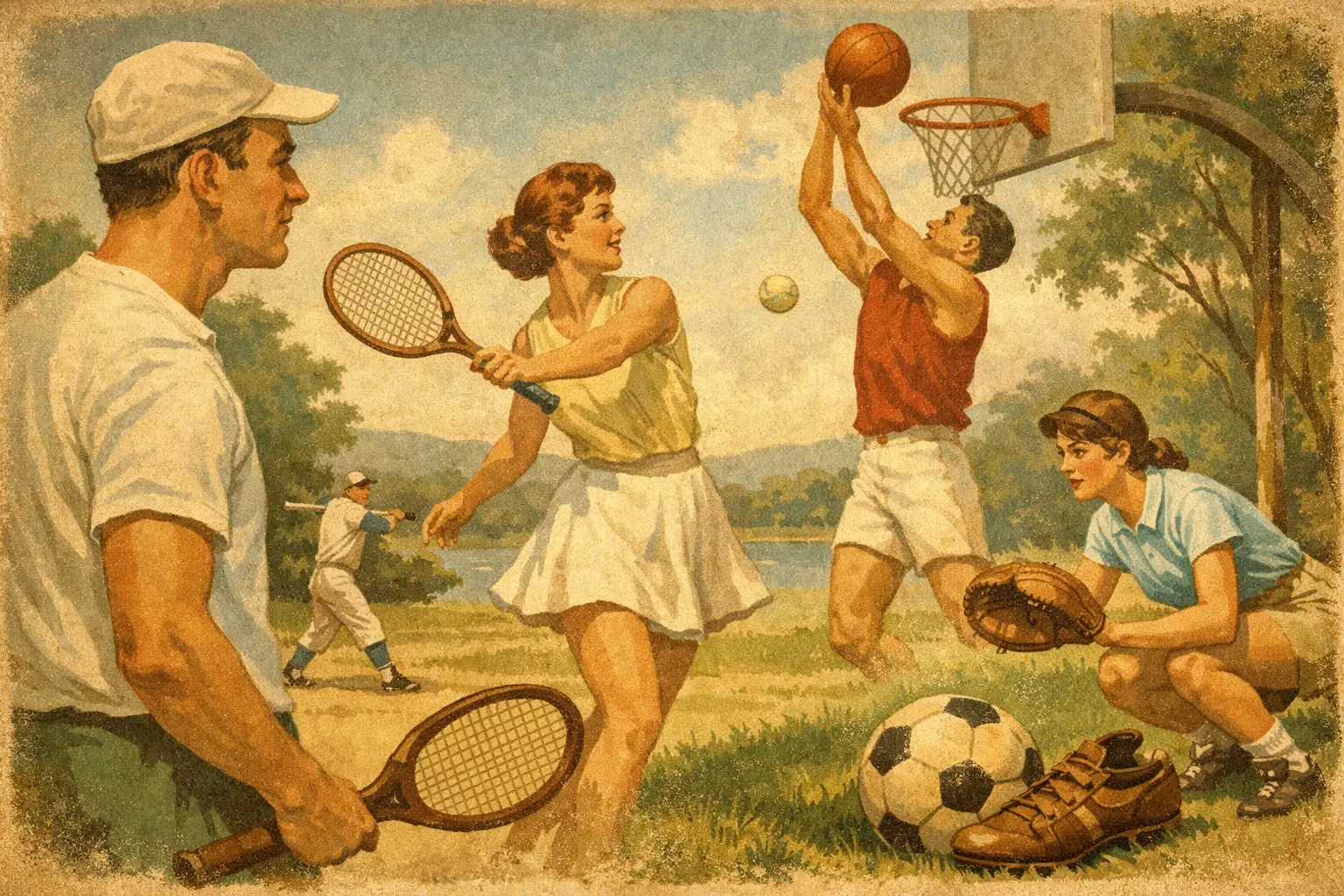
You do not need a perfect body, a former varsity résumé, or a friend group that already plays every weekend. If you’re wondering how to start playing sports as adult, the real barrier usually is not fitness. It’s friction. Not knowing what to play, where to go, who will be there, or whether you’ll look out of place keeps a lot of people stuck at the thinking stage.
That’s the part worth fixing first.
Starting a sport as an adult is less about making some huge identity change and more about making it easy to say yes to one session. One run club meetup. One pickup basketball game. One beginner tennis hit. One rec soccer night where you spend as much time learning names as learning positioning. Momentum comes after participation, not before it.
How to start playing sports as an adult without overthinking it
Most adults make this harder than it needs to be. They think they need to get in shape before joining, buy the right gear before showing up, or pick the one sport they’ll commit to for the next five years. That mindset kills action.
A better approach is to treat your first month like a test phase. You’re not locking into a new life plan. You’re building a repeatable way to play.
Start with a simple filter. Pick a sport based on three things: access, interest, and repeatability. Access means there’s a place to play within a reasonable distance. Interest means you actually want to do it, not just think you should. Repeatability means it can fit your real schedule and budget. A sport that looks great on paper but requires a 45-minute drive on weeknights is probably not your best first move.
For some people, the right entry point is obvious. If you played soccer in high school and miss it, start there. If you always wanted to try pickleball, volleyball, or boxing, that curiosity matters too. Adults stick with sports they enjoy, not sports that sound impressive.
Choose the easiest possible first sport
The best beginner sport is not the trendiest one. It’s the one you can realistically start this week.
Running, pickup basketball, pickleball, tennis, volleyball, swimming, climbing, recreational soccer, softball, and martial arts are common entry points because they have visible communities and different intensity levels. But the right answer depends on your body, your confidence level, and the kind of experience you want.
If you want constant motion and cardio, soccer or basketball might feel good. If you prefer skill-building with breaks between points, racket sports can be a better fit. If you want more structure and coaching, a beginner class in boxing, jiu-jitsu, or swimming may be less intimidating than a free-play environment.
There are trade-offs. Pickup games are usually easier to join fast, but the level can be inconsistent. Classes feel safer for beginners, but they can cost more and lock you into set times. Leagues offer accountability, though they may be less flexible if your schedule changes. It depends on whether your biggest challenge is motivation, skill, or access.
Find the right level, not the highest level
This is where a lot of adults bail early. They join a game that’s too advanced, have a rough first session, and decide the sport is not for them. Usually the sport is fine. The environment was wrong.
Look for words like beginner-friendly, open play, social, casual, all levels, rec league, intro clinic, or pickup. Those labels are not perfect, but they help. If you can ask the organizer about pace and experience level ahead of time, do it. A good organizer wants more people to feel comfortable showing up.
Your goal is not to prove you belong. Your goal is to find a setting where learning in public feels normal.
That matters more than people admit. Adults are often less afraid of effort than embarrassment. A solid beginner environment lowers that pressure. You can miss a pass, shank a serve, or forget a rule without feeling like you’ve ruined the game.
What you actually need before your first session
Less than you think.
For most sports, you need basic clothing you can move in, the required shoes if the surface matters, water, and a clear understanding of where to go and when to arrive. Specialized gear can come later. Do not turn shopping into procrastination.
If the sport does need equipment, look for places that provide loaners or beginner rentals. That gives you room to test whether you like it before buying anything. It also reduces the weird pressure to look like you know what you’re doing.
What matters more than gear is logistics. Confirm the location, parking, check-in process, and whether the run is indoor or outdoor. Adults drop off from sports all the time because getting there feels confusing or chaotic. The easier the path from work or home to the court, field, or gym, the more likely you are to keep going.
How to start playing sports as adult if you feel out of shape
You do not need to “get fit first.” Playing is one of the ways you get fit.
That said, honesty helps. If you have not moved much recently, choose a format that lets you ease in. Shorter sessions, lower-impact sports, beginner classes, and open play with substitutions can make a big difference. Two consistent sessions a week beat one brutal session that wrecks your motivation for ten days.
It also helps to redefine progress. Early wins might be finishing a session without leaving, learning the basic rules, or coming back next week with less anxiety. That counts. Sports are not just about peak performance. They’re about rhythm, confidence, and getting back into motion.
If you have an injury history or health concern, adjust accordingly. There is no prize for choosing the hardest route. The smart play is picking a version of the sport your body can handle now, then building from there.
Use community to remove friction
Adults rarely quit sports because sports are bad. They quit because coordination is annoying.
Finding people, figuring out schedules, checking whether enough players are coming, and deciding where to play can turn a simple idea into a hassle. That’s why community matters so much. The easier it is to discover venues, join events, challenge other players, and find teams at your level, the more often intent turns into actual play.
This is also why social accountability works. When your name is on the game, you show up differently. When your stats, streaks, or improvement have somewhere to live, participation feels more real. A lot of adults are not looking for elite competition. They are looking for structure that makes it easier to keep the habit alive.
We’re big believers in building that layer of sports culture back into everyday life - less gatekeeping, more ways to find your crew, and more reasons to come back after the first game.
Your first month should be about reps, not perfection
The first month is where habits either form or disappear. Keep the goal simple: play four times.
Not dominate four times. Not master the sport. Just play four times.
That number is enough to move you past the awkward first impression stage. The first session is mostly nerves and logistics. By the second or third, you start understanding the pace, the rules, and the social flow. By the fourth, you have enough information to decide whether you like the sport, the group, or just the general idea of playing again.
If one group feels off, do not assume the sport is a bad fit. Try a different venue, organizer, or format. Basketball at one gym can feel wildly different from basketball at another. The same goes for soccer runs, tennis meetups, and rec leagues. Culture matters.
Make improvement visible so you keep going
Adults stay engaged when progress is tangible. That does not always mean scoring more points or winning more games. It can mean better stamina, sharper footwork, more confidence calling for the ball, or finally understanding positioning.
Track something small and real. Maybe it’s sessions attended, serves landed, miles covered, games finished, or new people met. When improvement is visible, motivation stops depending on mood alone.
This is especially useful if you’re competitive by nature but starting from scratch. Measurable progress gives you something to chase besides comparison. And comparison is where a lot of newcomers get discouraged fast.
You are not behind. You are early.
The biggest mistake is waiting to feel ready
Readiness is overrated. Most people do not feel ready before the first game. They feel uncertain, then they go, then they adjust.
If you’ve been thinking about joining a sport for months, set a smaller target. Do not ask, “Am I becoming a sports person?” Ask, “What can I join this week?” That question leads to action.
Start with one sport. Find one beginner-friendly session. Show up once. If it clicks, come back. If it doesn’t, try a different format before you quit on the whole idea.
The adults who build a real sports habit are usually not the most talented. They are the ones who reduce friction, find the right level, and keep showing up long enough for the game to become part of their routine.
That’s where it gets fun - when playing stops being a big decision and starts becoming something your week naturally makes room for.