
How to Join Casual Sports Communities
May 9, 2026
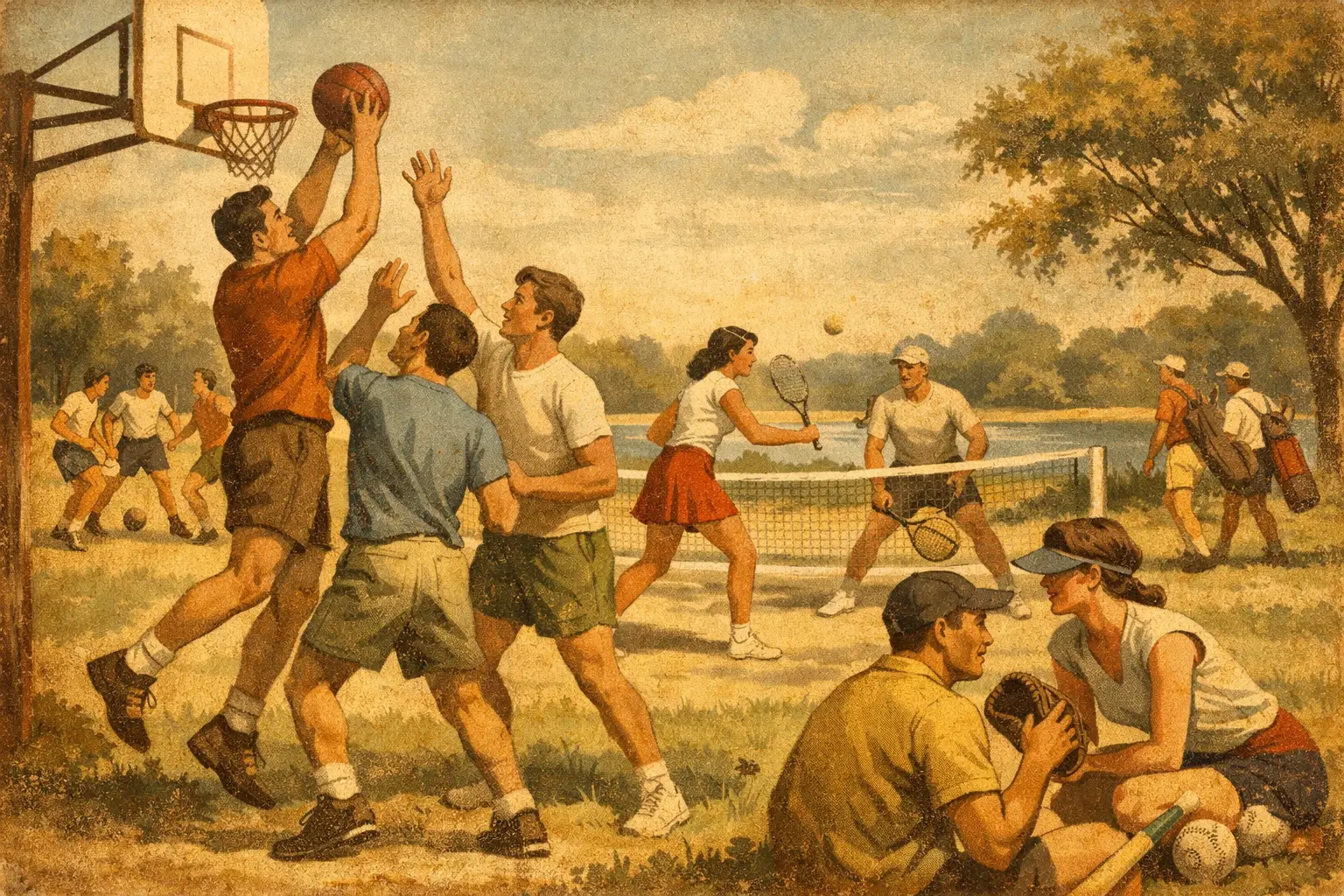
You do not need a perfect jump shot, a full team, or a group chat that somehow still works to figure out how to join casual sports communities. What you need is a low-friction way to find the right people, the right level, and the right format so playing feels easy enough to repeat. That is the real barrier for most people - not motivation, but coordination.
Casual sports communities are where routine starts. They are the pickup basketball run after work, the Sunday soccer group at the park, the tennis players who need one more person, the beginner volleyball night where nobody expects college-level skills. If you are trying to play more consistently, meet people locally, or get back into sports without the pressure of a formal league, this is usually the best place to start.
Why casual sports communities work
Formal leagues are great when you want a fixed schedule, committed rosters, and clear competition. They are not always great when you are new in town, easing back from time away, traveling, or still figuring out what sport fits your week. Casual communities solve for flexibility.
They also remove a social hurdle that people rarely talk about. Joining a league can feel like showing up to someone else’s established friend group. Casual play tends to be more fluid. Players come in and out, skill levels vary, and the expectation is simple: show up, play hard, be respectful, and help make the game happen.
That said, not every casual group is actually welcoming. Some are organized and inclusive. Others are flaky, cliquey, or vaguely active online but dead in real life. The goal is not just to find any group. It is to find one that matches your sport, level, schedule, and vibe.
How to join casual sports communities without wasting weeks
Start with where people actually coordinate. Most casual groups live in one of four places: sports apps, local venue communities, social platforms, or direct friend-of-friend networks. The mistake is relying on only one source.
Sports apps are often the fastest route because they are built around intent. People are there to play, not just browse. A good network lets you discover local venues, join pickup events, challenge players directly, and find teams without bouncing between three different tools. If you play more than one sport, this matters even more. Fragmented communities make it harder to build momentum.
Venues are underrated. Gyms, parks, rec centers, courts, climbing facilities, and turf complexes usually know which sessions are beginner-friendly, which nights are competitive, and which organizers consistently fill games. Staff often have better information than public event pages because they see who actually shows up.
Social platforms can help, but they require filtering. A group with 2,000 members sounds promising until you realize the same five people post and nobody confirms attendance. Look for evidence of recent activity, clear event details, and replies that suggest real follow-through.
Then there is the oldest method, which still works: ask one active player where they play next. Casual communities grow through referrals because trust matters. If someone had a good run with a group, that endorsement carries more weight than a polished description.
Pick the right entry point for your level
A lot of people avoid joining because they think they need to be better first. Usually, the better move is choosing the right format.
Pickup games are the easiest entry point when you want immediate reps and low commitment. You can join once, see how the group feels, and decide whether to come back. Challenges or one-on-one formats work well if full-group dynamics feel intimidating. Team-based communities are better once you know you want consistency and some accountability. Leagues are a strong next step, but they are rarely the best first step if you are still testing the waters.
Be honest about level. That does not mean underselling yourself. It means not joining the most competitive run in the city when you have not played in two years. The right group should stretch you a bit, not make you feel like you accidentally walked into tryouts.
This is where clear event descriptions matter. A good organizer tells you whether a game is beginner-friendly, mixed level, or advanced. If that information is missing, ask. A quick message saves a wasted trip and awkward first impression.
Show up in a way that makes people want you back
Joining is not just about finding a game. It is about becoming someone the community is happy to see again.
Reliability is a big part of that. In casual sports, a no-show can break the entire session. If you commit, show up. If something changes, say so early. Communities remember the players who make games easier to organize.
The second piece is social awareness. Introduce yourself. Ask what format they usually play. Learn names if you can. Rotate fairly. If you are better than the average player, do not treat the session like your personal highlight reel. If you are newer, compete hard and stay coachable. Casual communities usually care less about your ceiling than your energy.
There is also a basic rule that applies across every sport: do not arrive acting like a critic. Nobody likes the new person who complains about teams, pace, scoring, or field quality before they have earned any trust. Bring good effort first. Suggestions can come later, if they are actually useful.
How to tell if a community is worth committing to
Not every active group deserves your time. The best casual sports communities are defined by repeatability.
You should be able to tell when people play, where they play, and how spots get filled. There should be some sign of accountability, whether that is RSVPs, ratings, organizer follow-up, or a reputation system that rewards people who show up and compete well. Loose structure is fine. Zero structure usually turns into chaos.
Look at the mix of people too. A healthy community does not need everyone to be the same age or level, but it should feel open enough that new players can enter without social friction. If every interaction signals that outsiders are temporary and insiders run everything, that group may never become your routine.
A strong community also gives you ways to progress. That might mean tougher pickup runs, forming a team, entering a league, tracking your stats, or building rivalries through repeat matchups. Casual does not have to mean directionless. The best groups make it fun to come back and improve.
If you are new in town, shy, or sports-curious
This is where a lot of advice gets unrealistic. Telling someone to just show up and be outgoing ignores how awkward first contact can feel.
If you are new in town, aim for structured casual play over fully open runs. Events with set times, capped spots, and a visible organizer are easier to join because expectations are clear. If you are shy, choose sports or formats with smaller interactions first. Doubles tennis, climbing meetups, shooting sessions, or skill-based clinics can feel more manageable than jumping into a loud 5-on-5 basketball run with twenty strangers.
If you are sports-curious, give yourself permission to join as a beginner. People often wait until they feel ready, but readiness usually comes from repetition, not private preparation. The better question is whether the community makes space for beginners to return. If yes, that is a good sign.
It also helps to use tools built around participation instead of spectatorship. The whole point is to shorten the distance between wanting to play and having a real session on your calendar. That is where an all-sports network like Crewters can feel different. Instead of hunting through disconnected channels, you can find venues, join pickup events, issue challenges, connect with teams, and keep building from there while helping shape what gets built next.
Make your first month about momentum, not perfection
The first game matters less than the first month. One awkward session does not mean you found the wrong sport or the wrong city. Casual sports communities are ecosystems. Some groups click right away. Others need two or three appearances before people recognize you, trust your game, and start inviting you into better runs.
Set a simple goal: play once a week for four weeks. That frequency is enough to learn the local landscape. You will figure out which organizers are dependable, which venues fit your schedule, and which players are good connectors. Once that starts happening, the process gets easier. One game becomes a standing run. One contact becomes a team invite. One decent session turns into a real habit.
If you want casual sports to become part of your routine, think like a builder, not a guest. Join, contribute, respond, invite, and help games happen. The best communities are not found fully formed. We build them by showing up for each other, and that is where playing gets fun again.