
How to Find Local Sports Communities Fast
May 21, 2026
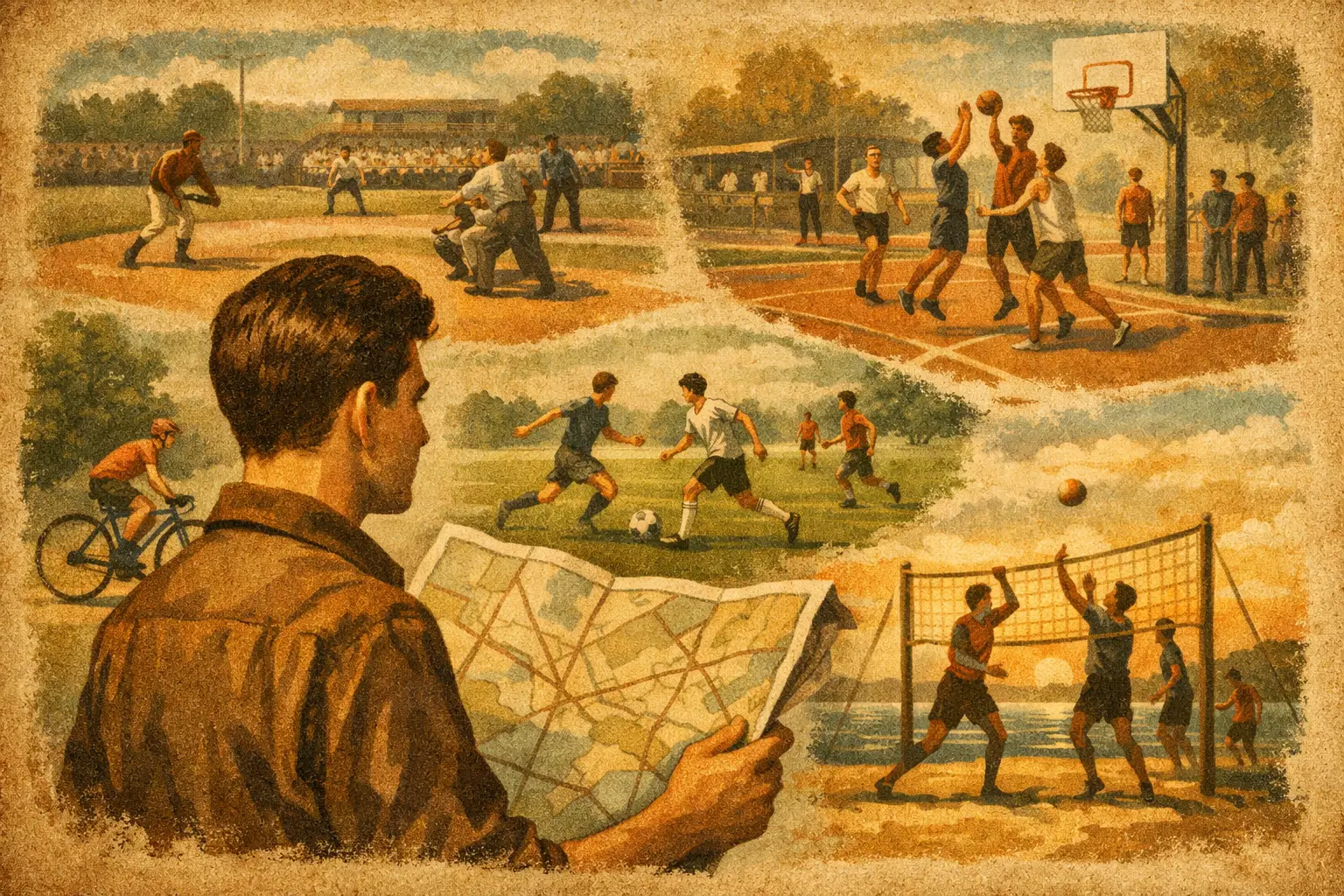
You do not need another group chat that dies after two messages or a league signup page that makes playing feel like paperwork. If you want to find local sports communities, the real goal is simpler: figure out where people actually play, how they organize, and what makes them come back next week.
That sounds obvious, but a lot of players get stuck in the gap between interest and action. You want a game after work, a tennis hit on Saturday, or a soccer run while traveling - and suddenly you are juggling five apps, three social feeds, and a friend who says, "maybe." The better move is to treat local sports like an ecosystem. Venues, players, organizers, teams, and recurring events all matter. Once you know how those pieces fit together, it gets much easier to plug in.
Where to find local sports communities that actually play
The first mistake people make is looking for "sports groups" in the abstract. Communities do not live in abstract. They gather around places, routines, and skill levels. A basketball community might center on one rec center and two weeknight runs. A pickleball scene might revolve around early-morning open play at public courts. A soccer community might be split between pickup, indoor leagues, and Sunday teams.
Start with venues, not vague searches. Courts, fields, gyms, tracks, climbing walls, skate parks, and studio spaces are where repeat behavior happens. If a venue has consistent traffic and regular players, it is already a community hub whether it calls itself that or not. Look for schedules, open-play windows, recurring organizers, and signs that people use the same place every week.
Then pay attention to who is organizing. Healthy sports communities almost always have someone doing the invisible work - posting game times, confirming attendance, balancing teams, collecting fees, or welcoming new players. If you find that person, you usually find the community.
Start with the sport you will actually play
It is tempting to browse everything. That usually leads to nothing. Pick one sport, one area, and one realistic time slot. If you are free on weekday evenings, search for that. If you only want beginner-friendly volleyball, search for that. If you are traveling and need a drop-in run tomorrow, optimize for speed instead of perfection.
This matters because the best local sports community is not the biggest one. It is the one you will return to. A smaller tennis group that plays every Tuesday is more valuable than a massive online community that rarely gets on court. Consistency beats hype.
There is also a skill-level tradeoff. Competitive players often want strong opponents and reliable structure. Newer players need lower-pressure formats and better social onboarding. Neither is wrong, but if you join the wrong environment, you will feel out of place fast. Look for communities that make their level clear. "All levels" can be welcoming, but sometimes it means disorganized. "Intermediate pickup" or "competitive 5v5" usually sets cleaner expectations.
Use venues, events, and challenges together
A lot of people search in one lane only. They look for a facility directory, or only scan event listings, or only ask friends. That fragments the process. The stronger approach is to combine three things: where people play, when they play, and how they connect between games.
Venues tell you where the action lives. Events tell you when to show up. Challenges and direct invites tell you who is serious enough to play again. When those three line up, a community starts to feel real instead of random.
That is why all-sports platforms have an edge for active people. You may start by looking for soccer and end up joining a tennis hit, a basketball run, or a niche sport you did not know had a local scene. One network across many sports mirrors how real athletes live. Interests overlap. Schedules change. Friends cross over between activities. Fragmented apps miss that.
What to look for before you join
Not every sports community is worth your time. Some are active but flaky. Some are competitive but closed off. Some look full online and empty in person.
A good local community usually shows a few signals early. Games happen on schedule. People respond quickly. New players know where to go and what to expect. Skill level is described honestly. If there are ratings, reviews, or attendance patterns, they help separate reliable players from last-minute dropouts.
That last part matters more than people admit. Local sports run on trust. If players constantly no-show, events collapse. If organizers ghost, people stop committing. Communities get stronger when accountability is built in - confirmed attendance, player reputation, post-game feedback, stats, even simple recognition for showing up consistently. Sports are social, but they also work better when participation has some structure.
Find your entry point, not your forever group
A lot of players overthink the first step. They want the perfect crew, perfect level, perfect location, perfect vibe. That slows everything down.
Your first community does not need to be your forever one. It just needs to get you playing. Once you are active, your network expands fast. One good run introduces you to ten more players. One organizer points you to another venue. One challenge match turns into a recurring weekly session.
Think of it like building game reps. The first win is not belonging everywhere. It is reducing friction enough to show up once. From there, you can sort for competition level, social fit, travel distance, and schedule.
This is especially true if you are new to a city or trying a new sport. Lower the pressure. Join an open play session. Enter a beginner-friendly event. Message the organizer with one direct question instead of waiting until you feel fully ready. Communities tend to open up once people can see you are serious about participating.
How to tell if a community will stick
The strongest local sports communities create momentum beyond a single game. They make it easy to come back, improve, and get recognized.
That might mean recurring events, team formation, structured leagues, or simple progress markers like stats and achievements. These details are not fluff. They give people a reason to stay engaged between games. If players can track improvement, earn bragging rights, build chemistry, and move from casual runs into more organized competition, the community deepens.
This is where many older tools fall short. They help you find one match, but they do not help you build a sports life. If everything resets after each event, retention is weak. If the platform supports events, direct challenges, teams, leagues, and player progression in one place, participation becomes a habit.
That habit is what most people are really chasing. Not just a one-off game, but a repeatable rhythm with people they know, places they trust, and enough structure to keep the energy up.
If you travel, keep your process portable
One of the best tests for whether you understand how to find local sports communities is what happens when you leave your home city. Travelers usually feel the pain first. You land somewhere new, want to get a run in, and realize every local scene has its own scattered channels and hidden rules.
A portable process helps. Start with nearby venues. Check for recent activity, not just old listings. Look for pickup formats or drop-in play before full leagues. Prioritize communities that make skill level and attendance clear. If you can challenge players directly or join a scheduled event without a long approval chain, even better.
This is also where a modern sports network can do real work for you. Instead of rebuilding your search from zero in every city, you want one place where venues, players, events, teams, and progression already connect. Crewters is being built around exactly that idea - helping players find their crew across sports, cities, and skill levels while shaping the product with the community using it.
Build your own local sports community if the one you want does not exist
Sometimes the problem is not that you cannot find the right group. It is that nobody has organized it well yet. That is more common than it should be.
If you see demand but no structure, start small. Pick a venue, set a recurring time, and create a clear format. Keep the first session easy to join. Be specific about level, cost, and what players should bring. After the game, invite the reliable people back first. Community grows from repeat attendance, not from huge launch energy.
The builder mindset matters here. Great sports communities are not magic. Someone creates the event, confirms the players, and sets the tone. If you care about making sports easier to access and more fun to return to, organizing is one of the fastest ways to make an impact.
That is the bigger shift. Do not just search like a consumer. Show up like a contributor. Join the run, rate the experience, invite the dependable players, suggest better features, and help shape the spaces you want to keep using.
The fastest way to find your local sports scene is to stop waiting for perfect and start building momentum with the people already ready to play.