
Sports Matchmaking Apps Comparison for Players
April 27, 2026
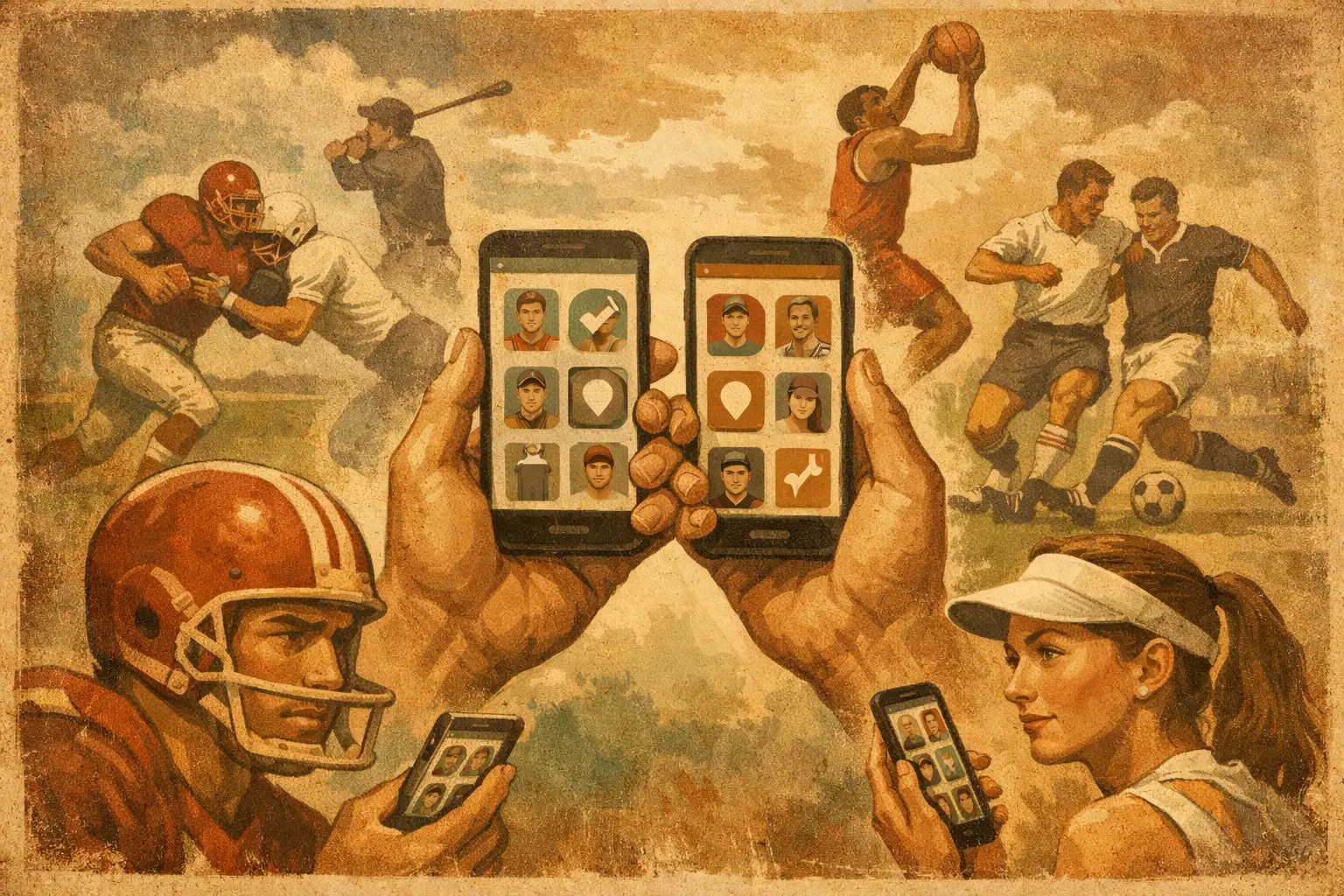
Most sports apps promise the same thing: more games, more people, less hassle. But once you actually use them, the gaps show up fast. A real sports matchmaking apps comparison has to look past screenshots and ask a simpler question - does this app actually help you get on the court, field, or track with the right people?
That matters because "finding a game" is rarely one problem. Sometimes you need a nearby venue. Sometimes you need 9 more players by tonight. Sometimes you want a recurring run, a serious team, or a low-pressure pickup game while traveling. The best apps understand those different jobs. The weaker ones treat every sport and every player exactly the same.
What a sports matchmaking apps comparison should actually measure
If you're choosing between sports apps, start with behavior, not branding. An app can look polished and still fail the basic test of participation. If invites go unanswered, events stay empty, or the player pool is too narrow, the product is not solving the core problem.
The first thing to assess is network depth. Does the app have enough active users in your city and in your sport? A soccer-heavy app may be great for five-a-side players and useless for tennis. A platform built around one activity can feel alive in one neighborhood and dead everywhere else. For players who move between sports or travel often, that fragmentation becomes annoying fast.
The second factor is how the app handles intent. There is a big difference between "people who like basketball" and "people ready to play basketball at 7 p.m. on Thursday." Good matchmaking products reduce that gap. They make it easy to create events, join quickly, confirm attendance, and know whether the session is casual, competitive, beginner-friendly, or organized.
The third factor is accountability. Sports are social, and social tools need follow-through. Ratings, attendance history, stats, challenges, and visible profiles can all help, but only when they support real trust. Too little structure and people ghost. Too much structure and pickup feels like admin.
The main app models in this sports matchmaking apps comparison
Most products in this space fall into a few categories, and each has trade-offs.
Single-sport communities
These apps are often strongest when you already know your sport and want a focused crowd. Tennis and golf products are the clearest examples. The upside is relevance. Features can match how that sport actually works, from scoring to scheduling to court etiquette.
The downside is obvious once your routine changes. If you also play soccer, pickleball, or basketball, you start rebuilding your network in a different app every time. That creates smaller circles, scattered messages, and less momentum overall.
Pickup and event-first apps
These products are built around immediate participation. You open the app, find a game, join, and show up. For busy students, young professionals, and casual athletes, this can be the fastest route from intent to action.
But event-first platforms can also feel transactional. If the app does not support teams, progression, repeat groups, or some kind of community identity, you may get a game without building a sports home. That works fine for one-off sessions, less so for players who want consistency.
Team and league organizers
Some apps are better for captains, commissioners, and recurring groups than for solo players. They help with rosters, schedules, standings, and communication. If you already have a crew, they can reduce chaos.
If you do not already have a crew, they may feel closed off. A lot of organizer tools assume the hard part is logistics, when for many players the hard part is simply meeting enough people to get invited in the first place.
Broad social sports networks
This is the most ambitious category. Instead of serving one sport or one format, these platforms try to connect venues, pickup events, challenges, teams, leagues, and player identity in one place. When it works, it solves the fragmentation problem and gives players more ways to participate.
The challenge is execution. Breadth only matters if the experience stays clear. If adding more sports creates confusion, the app becomes a directory instead of a community. The strongest products in this category make discovery feel simple while giving players multiple ways to engage over time.
Features that matter more than most people think
A lot of users compare sports apps by headline features. Messaging. Scheduling. Profiles. Maybe a map. Those are table stakes. The better comparison is how well the product supports motivation after the first game.
Venue discovery is not a side feature
Plenty of apps help you meet players but stop short of helping you find where to play. That is a bigger weakness than it sounds. Sports participation is local by nature. If venue data is thin, outdated, or disconnected from event creation, players end up doing the real work somewhere else.
A stronger model ties people and places together. You should be able to see where activity is happening, what sports are played there, and whether that venue supports casual runs, structured leagues, or direct challenges.
Challenges and repeat play build stickiness
One-and-done events are useful, but they do not create much identity. Direct challenges are more interesting because they turn a one-time connection into an ongoing rivalry or recurring matchup. That makes the app feel less like a calendar and more like a sports network.
This is especially important for players who care about improvement. If you can challenge a person again, track results, and build a history, the product starts rewarding consistency rather than just attendance.
Stats, trophies, and ratings can help - or backfire
Gamification gets overused, but in sports it makes natural sense. The key is whether it reflects real participation. Stats, achievements, and trophies can motivate players to stay active, try new formats, and keep showing up.
Still, there is a line. If ratings feel punitive or if stats favor only elite players, newer users may bounce. The best systems reward effort, reliability, and growth, not just dominance. That is how you keep the app welcoming while still competitive.
How different players should choose
If you are sports-curious and trying to break into a local scene, prioritize low-friction entry. You want easy event joining, clear skill labeling, and an environment that does not assume you already know everyone. A product with only league tools will probably feel too closed.
If you are a regular pickup player, speed matters most. You need an app that has active users nearby, quick confirmation loops, and enough structure to avoid flaky attendance. Fancy features will not save a dead local network.
If you organize groups, your threshold is different. You need tools that support repeat play, communication, and a stable participant base. You may care less about discovery and more about whether the app helps your community stay organized without turning every game into admin work.
If you play multiple sports, the all-in-one model becomes much more attractive. Switching apps every time you switch activities sounds manageable until you have basketball on Tuesday, tennis on Saturday, and a weekend soccer run while traveling. One network across many sports is simply easier to sustain.
Where many apps still fall short
The biggest weakness in this category is that too many products solve one slice of the sports experience and ignore the rest. One app helps you chat. Another helps you book. Another helps you track scores. Another helps you manage a league. The user ends up stitching together their own system.
That fragmentation is exactly what makes sports participation feel harder than it should. Players do not think in product categories. They think, I want to play tonight. I want a crew for next month. I want my progress to count. I want to find something new when I land in another city.
That is why a more complete model stands out. If a platform can connect venues, events, challenges, teams, leagues, and progression in one loop, it starts behaving less like a utility and more like sports infrastructure. That is a much stronger foundation for community.
One example of that direction is Crewters, which takes an all-sports approach instead of splitting communities by activity. For players who want pickup now, organized competition later, and a visible sense of progress along the way, that broader system makes practical sense. It also fits a bigger idea we believe in: sports apps should be fun again, and users should help shape what gets built next.
So which type of app wins?
It depends on what you are trying to do most often. If you live inside one sport and want specialized tools, a focused app may still be the right call. If you need occasional pickup games, event-first apps can be enough. If you already run a league, organizer software may cover your needs.
But if you want a real sports network - one that helps you find places to play, meet people, create games, challenge opponents, join teams, and keep momentum across different sports - the broader category is where the market gets interesting. That is where matchmaking stops being a one-time transaction and starts becoming a habit.
Choose the app that makes participation easier on your busiest week, not the one that looks best in the App Store. The right platform should help you find your crew, keep score in ways that matter, and make it easier to say yes when the game is there.