
How to Challenge Someone to a Tennis Match
May 27, 2026
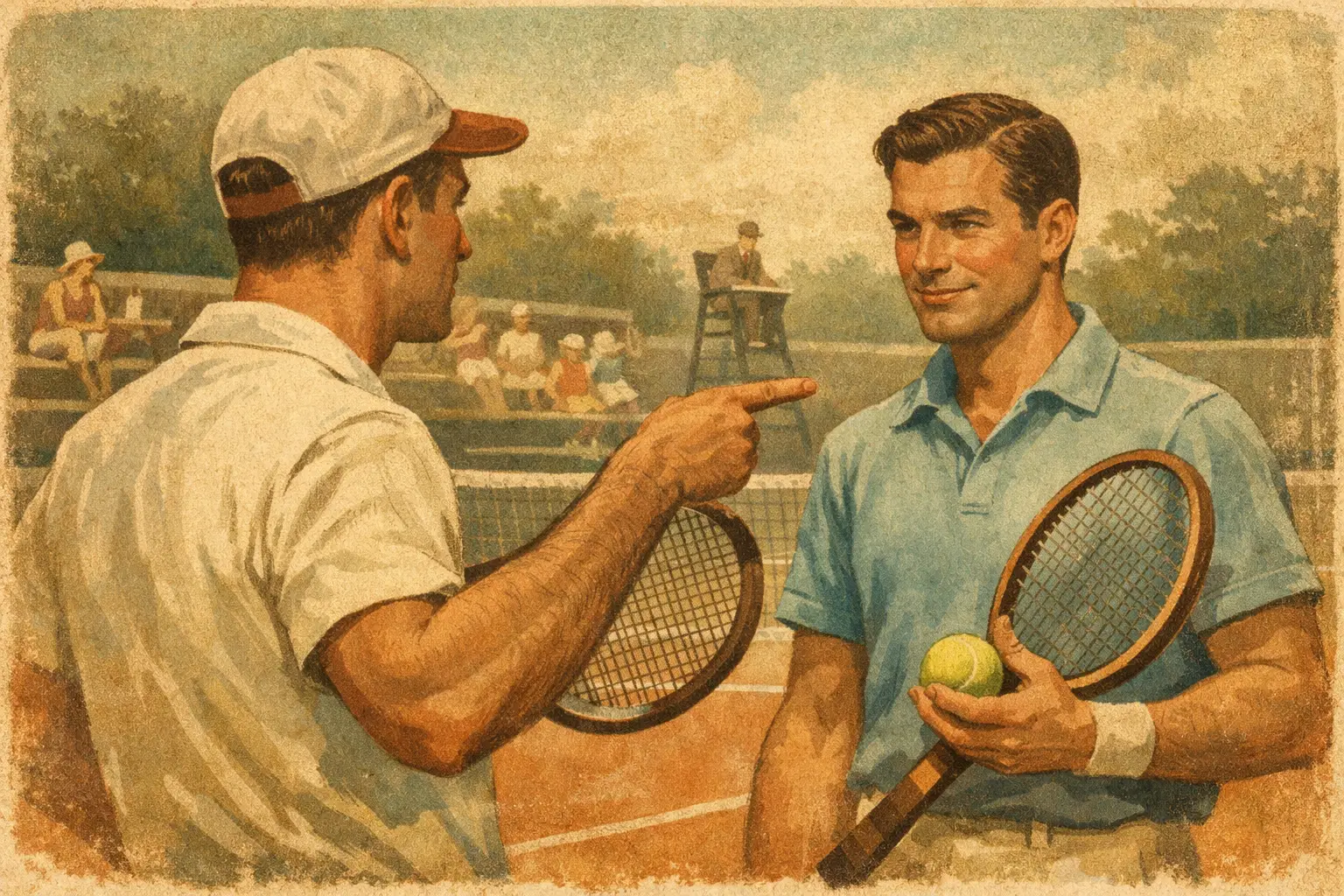
You can want court time all week, but if you don’t know how to challenge someone to a tennis match, that motivation usually dies in your notes app. The gap is rarely effort. It’s friction. Who do you ask, how direct should you be, and how do you make it feel competitive without making it weird?
That’s where a good challenge matters. A solid tennis invite is clear, low-pressure, and specific enough that the other player can answer without doing extra work. If we want more people playing more often, we need to make the ask easier.
Why it helps to challenge someone to a tennis match directly
A lot of players stay stuck in vague planning mode. They say things like “we should hit sometime” or “let’s play soon,” which usually means nothing gets booked. Tennis works better when one person takes the lead and puts a real match on the table.
When you challenge someone to a tennis match directly, you create momentum. You also make the format clear. This is not just rallying for 20 minutes if a court happens to open up. It’s an actual game with a start time, a location, and some level of intent.
That directness helps almost every type of player. Competitive players want structure. Casual players want clarity. Newer players usually want reassurance that they’re not walking into a mismatch or some unspoken league final.
There is a trade-off, though. Too much intensity can scare off someone who would have happily played if the tone were lighter. Too little detail can make the invite easy to ignore. The sweet spot is confidence without pressure.
How to challenge someone to a tennis match without making it awkward
Start with what they need to know right away: when, where, and what kind of match you mean. If you leave those out, you’re asking the other person to plan the event for you.
A simple version works best: “Want to play singles Tuesday at 7 at Riverside?” That message is short, but it does real work. It gives them a format, a time, and a court. They can say yes, no, or suggest another slot.
If you know the player well, you can make it more competitive. Something like “You ready for a rematch this Saturday?” adds energy without overdoing it. If you don’t know them well, a softer tone usually lands better: “Would you be up for a match this weekend? Happy to keep it casual.”
The key is reading the relationship. A friend who talks trash in every group chat can handle a sharper challenge. A new player from your local courts may need a clearer signal that this is friendly and accessible.
Pick the right kind of tennis challenge
Not every match invite should sound the same. Tennis players say yes more often when the challenge matches their level, schedule, and reason for playing.
For some people, the best ask is a straightforward singles match. For others, doubles is the easier entry because the pressure is lower and the social side is stronger. If someone is coming back from time off, you might frame it as a practice set instead of a full match.
That distinction matters. A challenge that feels too serious can get ignored, even by someone who wants to play. A challenge that feels too loose can also backfire if the other player is trying to improve and wants real reps.
If you know their style, use it. If you don’t, give them an easy option. “Want to play a match or just a couple practice sets?” is often enough to keep the door open.
Timing matters more than people think
A lot of bad tennis invites fail because they arrive at the wrong time. Asking at 4 p.m. for a 6 p.m. match only works for a small group of spontaneous players. Most people need a little runway.
For weekday matches, a day or two ahead is usually ideal. For weekends, asking by midweek gives you a better shot. If courts in your area book fast, the challenge should come with that in mind. Saying “I can reserve Court 3 for Sunday morning if you’re in” removes one more reason to hesitate.
There’s also a rhythm to follow-up. If someone doesn’t reply right away, one clean nudge is fine. More than that can start to feel needy. People are busy. Sometimes no response just means bad timing, not disinterest.
Make the challenge feel fair
One of the biggest reasons people avoid tennis matches is fear of a mismatch. Nobody wants to get steamrolled, and nobody wants to feel like they were invited only to be easy points.
That means your challenge should set expectations honestly. If you’re much stronger, say you’re good keeping it casual. If you’re evenly matched, lean into that. If you’re unsure, ask about level in a normal way instead of turning it into an interrogation.
Fairness also includes format. A full best-of-three match can be too much for a first time playing someone. One set to six, or two short sets, can be a better start. It keeps the commitment manageable and lowers the pressure.
If the goal is building a repeat playing group, fairness beats ego every time. The best challenge is not the one that sounds toughest. It’s the one that gets accepted and leads to the next match.
What to say when you challenge someone to a tennis match
Good messages are usually short because they respect the other person’s time. You don’t need a speech. You need a clear ask.
If you want a few examples, here’s what tends to work in real life:
- “Want to play singles Thursday at 6?”
- “I’ve got a court Saturday morning if you want a match.”
- “Down for a rematch this week?”
- “Want to play a casual set or two after work?”
Each one gives the other player something concrete. None of them force a huge commitment. And each can be adjusted based on how competitive or relaxed you want the vibe to be.
What usually works less well is overexplaining. Long messages about your schedule, your recent form, your equipment, and three backup plans make the invitation feel heavier than it needs to be.
Digital challenges work best when they remove excuses
This is where sports apps can actually help instead of just adding another feed to scroll. If a challenge includes the player, the venue, and the match setup in one place, it becomes much easier to turn intent into play.
That’s the bigger shift. We’re not just trying to message better. We’re trying to reduce the little points of failure that stop games from happening. Finding a player, locking a court, keeping score, tracking progress, and building a routine should feel connected.
That’s why platforms like Crewters are interesting for tennis players who want more than random texts. You can issue direct challenges, discover courts, join organized play, and keep the competitive side fun with stats, goals, and progression built around actually showing up.
For some players, that structure is motivating. For others, it might feel like extra signal around what they prefer to keep casual. It depends on how you play. But if your problem is not lack of interest and more lack of coordination, a dedicated sports network can solve a real problem.
If they say no, don’t make it a thing
A declined challenge is not a referendum on your game. Sometimes they’re busy. Sometimes they’re injured. Sometimes your timing was off. Sometimes they just don’t want to play singles in August heat at 2 p.m.
The right move is simple: keep it easy. “No worries, hit me when you want to play” leaves the relationship intact and gives future matches a chance. Pushing for an explanation makes the next ask harder for both of you.
You also do not need to turn every no into a negotiation. If they offer another time, great. If not, move on and ask someone else.
Build a repeatable habit, not just one match
The best reason to challenge someone to a tennis match is not that it fills one open evening. It’s that it helps build a playing rhythm. Once you have two or three reliable opponents and a couple preferred courts, tennis gets easier to keep in your week.
That routine matters. Improvement comes from repetition, but so does community. Regular matches create familiarity, accountability, and the kind of light competition that keeps people engaged over time.
You don’t need a massive network for this to work. You need a few players who say yes often enough, a format that feels fair, and a habit of making the ask before your schedule fills up.
A good tennis challenge is not flashy. It’s clear, confident, and easy to accept. Put a real match on the calendar, make it feel playable, and let the game do the rest.