
A Guide to Team Roster Building
June 14, 2026
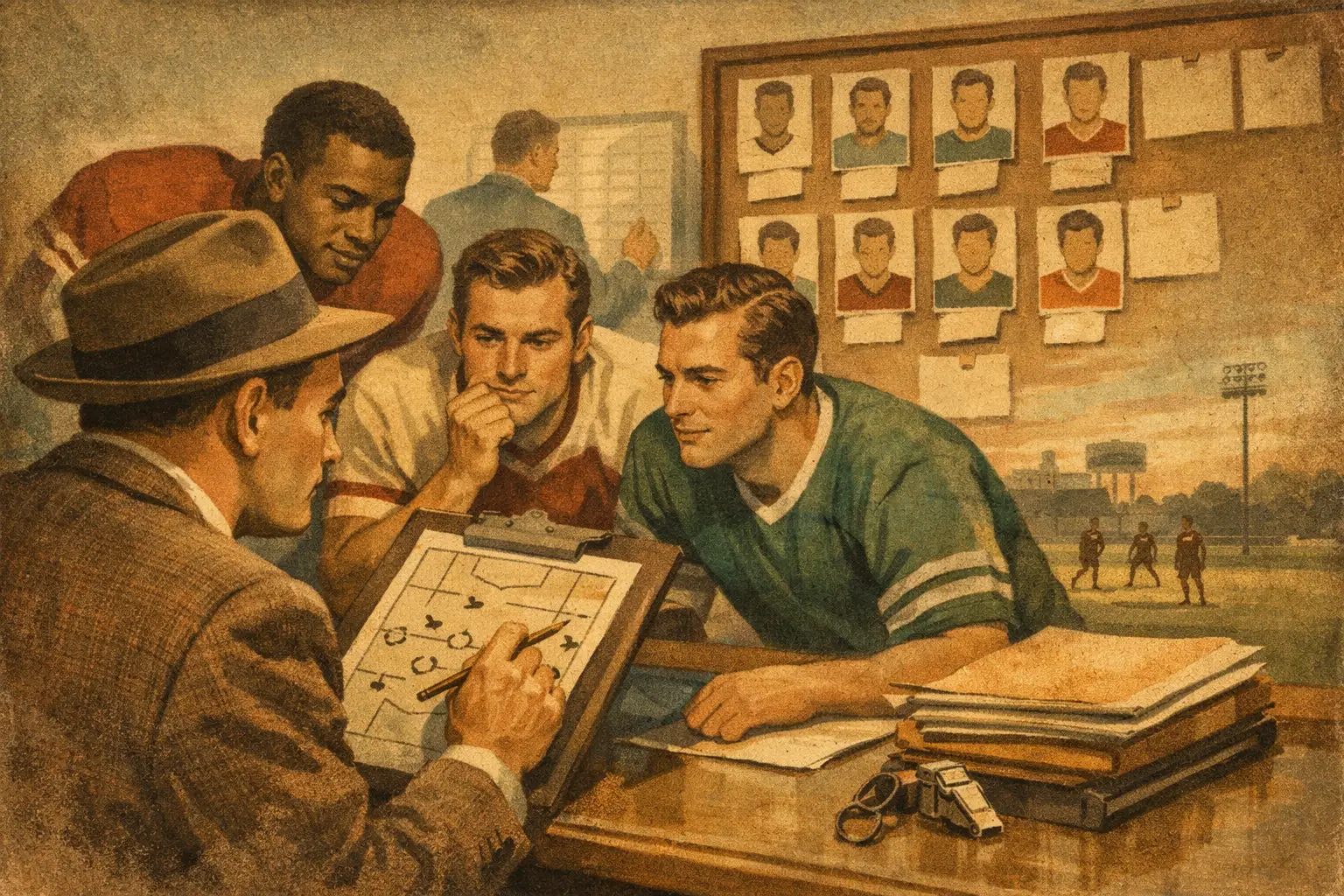
You can spot a weak roster before the first whistle. One side has seven scorers and no one who tracks back. Another has a brilliant core, but half the group drops out every other week. The best teams are not just talented. They are available, balanced and bought in. That is why a proper guide to team roster building matters, whether you are setting up a five-a-side football squad, a basketball run, a social tennis ladder or a multi-sport community team.
Roster building is part recruitment, part planning and part people management. If you get it right, games happen more often, standards rise and everyone knows where they fit. If you get it wrong, even good players drift because the experience feels messy.
What good team roster building actually looks like
A strong roster is not simply the biggest group you can gather. It is a group built around a clear purpose. Are you trying to win a league, keep a reliable weekly game going, welcome beginners, or create a squad that can do a bit of all three? Your answer changes everything from squad size to the type of personalities you bring in.
For a competitive team, you can carry more specialist players and make tougher decisions on role fit. For a social team, flexibility and attitude often matter more than technical quality. Most community squads sit somewhere in the middle. They want enough quality to keep matches sharp, but enough openness to make people want to come back. That middle ground is where captains usually make or break a team.
The first step is to define your non-negotiables. Usually that means availability, attitude and role coverage. Skill matters, of course, but a slightly less polished player who turns up, communicates well and helps the group can be far more valuable over a season than a standout who cancels an hour before kick-off.
A guide to team roster building starts with roles, not names
A common mistake is choosing mates first and structure second. It feels natural, but it often leaves gaps you notice only once fixtures begin. Start with the shape of the squad. Think in roles.
In football, that might mean a dependable keeper, defenders who actually enjoy defending, runners in midfield and players who can hold the ball up. In basketball, you need ball handlers, perimeter shooters, defenders and players happy doing the work that does not show up in the group chat. In racket sports or smaller team formats, chemistry and complementary styles matter just as much as individual quality.
Once you map the roles, you can see where versatility matters. Not every player needs a single fixed lane, but every squad needs enough cover to handle absences, injuries and form dips. A roster full of players who all want the same minutes, same position or same status tends to fracture quickly.
This is where honesty helps. If someone is joining as depth rather than a starter, say so. If your team rotates heavily, set that expectation early. Ambiguity creates more tension than bad news delivered clearly.
Balance reliability against ceiling
Every organiser is tempted by high-upside players. Fair enough. Talent changes games. But in amateur and community sport, reliability is often the real currency. The player who confirms early, pays on time and shows up ready can be the reason your team survives a season.
That does not mean you should build a dull squad made only of safe picks. It means you need a balance. A few high-impact players can raise the level of the whole group. Too many and the roster becomes unstable. The right mix depends on your format and how often you play.
If you are building for weekly play, lean more heavily towards dependable attendance. If you are building for tournaments or short league bursts, you can take a few more calculated risks on availability, provided you have cover.
This trade-off matters more than many captains admit. The best roster on paper is not always the best roster in practice.
Chemistry is not a bonus, it is part of selection
People talk about chemistry as if it appears after enough matches. Sometimes it does. More often, it is shaped by selection from day one. The way players communicate, respond to pressure and handle shared responsibility has a direct effect on performance.
A team with mixed ability but strong trust can outperform a more talented squad that bickers or splinters into cliques. That is especially true in pickup-to-league pathways, where many players are meeting through a community rather than arriving with existing history.
So look beyond raw ability. Ask simple questions. Do they encourage others? Do they get defensive when corrected? Do they treat casual matches seriously enough to respect everyone’s time? Do they want to compete without making the environment miserable?
You do not need everyone to be best mates. You do need a baseline of respect. Teams are easier to build when players know the standards apply to everyone.
Use trials without making them awkward
For many organisers, trials sound too formal. In reality, they can be light-touch. A couple of open sessions, a mixed scrimmage or a short run of pickup games can tell you a lot. You are not only watching skill. You are watching decision-making, effort, communication and whether people make the game better for others.
Keep the process simple and visible. Let players know what you are assessing. Tell them if you value availability, versatility or league experience. That clarity helps the right people opt in and stops the process feeling random.
It also helps to gather feedback from more than one voice. Captains see one thing. Teammates notice another. If your group is building in public and shaping itself together, selection decisions tend to land better because people can see the logic behind them.
Build a squad size that matches real-life drop-off
This is where many team organisers get caught out. They build for ideal attendance, not actual attendance. If your sport needs eight players available, do not build a roster of eight unless you enjoy last-minute panic.
The right squad size depends on your format, substitution rules and how flaky your player pool tends to be. In some groups, carrying two or three extra players is enough. In others, especially among busy students and young professionals juggling work, travel and social plans, you need more cushion.
There is a trade-off here too. Oversized rosters protect against no-shows, but they can reduce playing time and weaken commitment if people feel peripheral. The fix is not just numbers. It is communication. If rotation is part of the model, explain how it works. If matchday selection depends on response times, make that explicit.
A squad feels fair when expectations are clear, even if not everyone gets exactly what they want every week.
The best guide to team roster building includes culture rules
Talent brings people in. Culture keeps them there. That does not mean corporate slogans or forced bonding. It means practical standards that shape behaviour.
Set rules on attendance confirmation, payments, lateness and communication. Decide how competitive you want the environment to be. Make it clear what happens if someone repeatedly drops out, disrespects teammates or treats organisers like they are doing admin for fun.
The strongest community teams usually have a simple code. Turn up. Let people know early if you cannot. Compete hard. Respect everyone. If you are building through an app or sports network, use the tools properly. Confirm, update, rate fairly and keep the group moving.
This is one reason modern sports communities work best when they are active, not passive. Teams are not static lists of names. They are living groups that need signals, feedback and a bit of accountability.
Review the roster before it breaks
Most captains wait too long to adjust. They notice attendance slipping, a position constantly exposed or tensions building, but hope it sorts itself out. Usually it does not.
Review your roster in short cycles. Every few weeks, ask what is working and what is thin. Are you missing leadership on the pitch or court? Do you have enough defensive balance? Is one player carrying too much organisational load? Has the group become too closed for newcomers, or too loose to build momentum?
This does not mean changing players constantly. Stability matters. But small adjustments made early are easier than major rebuilds after frustration sets in.
If you are using a platform that lets players find games, issue challenges, join teams and track progress, use that visibility to your advantage. Patterns show up quickly when participation is easy to follow. One mention is enough here: Crewters is built around that idea of making sports communities more active, more connected and more accountable.
Build for the team you want to become
The smartest roster builders do not just fill slots for next week. They build with a direction in mind. Maybe you want to move from casual runs into structured leagues. Maybe you want a squad that welcomes beginners without losing competitive edge. Maybe you want a group that travels well, adds new sports and keeps people involved beyond one season.
That future should shape your decisions now. Bring in players who fit the standard you want, not just the gap you need patched today. Leave room for growth, but do not be vague about what the team stands for.
A good roster gives you enough quality to compete, enough reliability to keep showing up and enough personality to make people stay. Build that, and you are not just collecting players. You are giving your community a reason to keep coming back.