
Finding a Partner on a Sports App
May 26, 2026
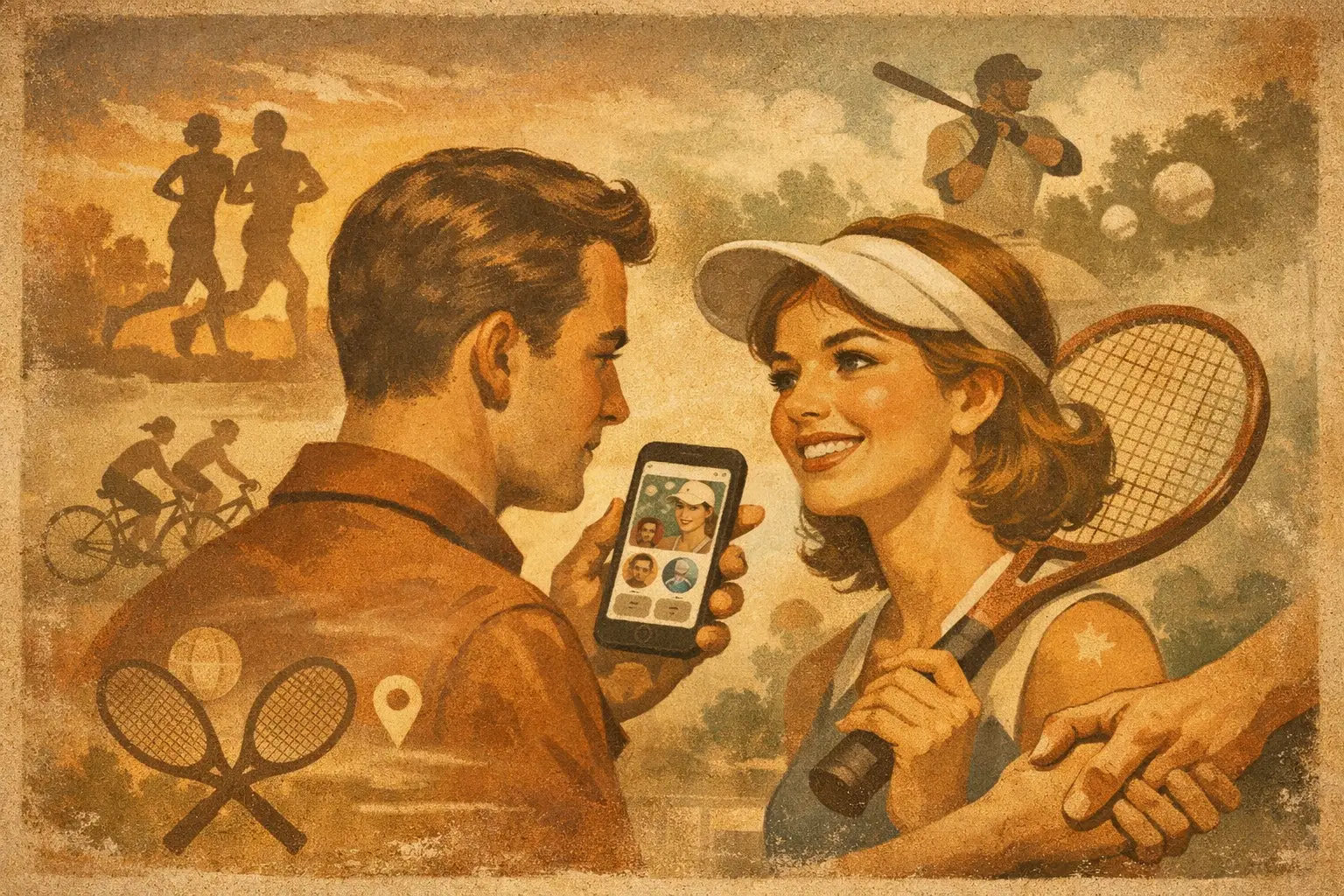
You usually know the feeling in about ten seconds. You want to play, maybe tonight, maybe this weekend, but the real problem is not motivation. It’s finding a partner on a sports app who will actually show up, match your level, and want the same kind of run you do. That’s the gap between downloading an app and building a real sports routine.
The best apps close that gap by making sports social again. Not just searchable. Social. If you’re trying to find a tennis hitting partner, a basketball run, a soccer squad, or someone for a niche sport most platforms ignore, the app has to do more than host profiles. It has to create trust, momentum, and enough structure that people can turn intent into action fast.
Why finding a partner on a sports app is harder than it looks
On paper, this sounds simple. Open an app, search nearby, message someone, play. In practice, people drop off when any one part breaks. Maybe there are users nearby but no one responds. Maybe someone responds, but they’re way above your level and the game becomes awkward. Maybe the app is built for one sport, one city, or one kind of player, so everyone outside that lane gets left out.
That’s why the strongest sports apps are not really partner-finding tools. They’re coordination systems. They help you discover venues, see who is active, join events, issue direct challenges, and build a visible track record over time. The more context an app gives you, the easier it becomes to say yes to a match.
This matters whether you’re highly competitive or just trying to get moving again. A former high school athlete looking for serious games needs different signals than someone trying pickleball for the first time. Good product design makes room for both.
What actually makes a good sports match
A useful sports partner is not just someone nearby. Proximity helps, but consistency matters more. You want someone who plays at roughly your pace, communicates clearly, and shares your expectations. Are you looking for training reps, casual pickup, league prep, or a weekly standing game? If those goals are mismatched, the connection usually fades after one session.
That’s where app structure matters. Profiles should show enough detail to reduce guesswork. Skill level, preferred sports, availability, favorite venues, and recent activity all help. Ratings and reviews can also do real work here, not as vanity metrics, but as accountability. A player with a strong reputation for showing up on time and being good to play with is easier to trust than a blank profile with one photo and no history.
Gamified elements can help too, if they reward actual participation instead of empty engagement. Stats, goals, trophies, and achievements work best when they create a pattern. They show that a person is active, improving, and invested in the community, not just browsing.
The fastest way to find the right person
If your goal is speed, don’t start with cold messaging alone. Start where activity is already happening.
Events are usually the best entry point because they remove the pressure of a one-to-one ask. Joining a pickup game or open session lets you meet multiple players at once and figure out who fits your style. That’s especially useful if you’re new in town, traveling, or crossing into a sport where you do not already know the local scene.
Challenges are the next best option when you already know what you want. If you’re looking for a direct tennis match, a one-on-one basketball workout, or a cycling partner for a specific route, a challenge creates clearer expectations than a vague message. It says when, where, and what kind of game you want.
Teams and leagues matter when you’re optimizing for consistency rather than spontaneity. A single partner can get you through one session. A team or league can anchor your whole season. For a lot of players, that’s the real win. The app helps you find one good connection, and that connection pulls you into a larger sports community.
How to improve your odds of finding a partner on a sports app
The first move is making your profile easy to say yes to. That sounds basic, but a lot of people skip it. If your profile does not show what sport you play, your level, where you like to play, and when you’re available, you’re asking other users to do detective work. Most won’t.
Be specific without making yourself rigid. Saying “intermediate tennis, weekday evenings, prefer public courts, looking for competitive but friendly sets” gives people something to respond to. Saying “down for anything” sounds open-minded, but it usually creates friction because nobody knows what you actually want.
The second move is choosing visible activity over passive browsing. Join events. Respond to challenges. Leave ratings after games. Show up enough that your profile starts to tell a story. Sports apps work better when people can see momentum. An active player attracts other active players.
The third move is using venues as part of your search. A shared place can be the difference between a message getting ignored and a game getting booked. If two players already prefer the same gym, court, field, or park, half the planning work is done. Venue discovery is not a side feature. It’s one of the strongest signals for real-world compatibility.
The fourth move is being honest about level. A lot of bad matches happen because people oversell or undersell themselves. Neither helps. If you’re casual, say casual. If you’re training seriously, say that too. Clear expectations make better games.
What newer players should look for
If you’re sports-curious or returning after a long break, partner search can feel intimidating fast. The wrong app experience makes it worse by rewarding only advanced players or established groups.
A better setup lowers the barrier to entry. Open events, beginner-friendly games, mixed-skill communities, and simple challenge formats all help newer players get on the court or field without feeling like they need an invitation code to participate. This is where an all-sports network has a real advantage. You might come in looking for one sport and end up trying another because the community makes the first step easier.
For beginners, the best partner is often not the strongest athlete. It’s the clearest communicator. Someone who responds, sets expectations, and is willing to play at a level that keeps the session fun. A strong community culture can surface those people faster than a generic search tool ever will.
Why community features matter more than messaging
Messaging is useful, but messaging alone does not build trust. Community features do.
When users can create events, challenge each other, join teams, track stats, earn achievements, and review the experience afterward, the app starts functioning like a living sports network instead of a contact list. Every action adds context. Every completed game reduces uncertainty for the next one.
That’s also why built-in progression matters. People stick around when the app reflects their effort. If users can see their activity, improvement, and reputation grow over time, they are more likely to keep playing, and that creates better odds for everyone else trying to find a partner. Healthy sports networks are built on repeat participation, not one-off discovery.
An app like Crewters leans into that reality by bringing venues, events, challenges, teams, leagues, stats, and rewards into one place across 122 sports. That matters because players do not live in neat product categories. They want one network that can support pickup games, competitive runs, new sports, travel, and long-term progress without forcing them to start over every time.
The trade-off: more options vs better matches
There is one tension every sports app has to manage. More users and more sports create more possibilities, but they can also create noise. If the platform is too broad without enough structure, people spend time scrolling instead of playing.
The fix is not less choice. It’s better signals. Strong filters, active communities, visible participation history, and clear sport-specific pathways help broad networks still feel personal. This is where community-led product building gets interesting. When users can shape what gets built next, the app can adapt around real friction instead of guessing from a distance.
That builder mindset changes the experience. You’re not just using a tool. You’re helping shape a network around how people actually organize sports.
Finding a partner on a sports app gets easier when the platform respects how sports really happen - through trust, repetition, visible effort, and shared places to play. The best move is not waiting for a perfect match to land in your inbox. Join the game already happening, show people how you play, and let your next sports connection grow out of real action.