
An Example of Player Retention Gamification
June 1, 2026
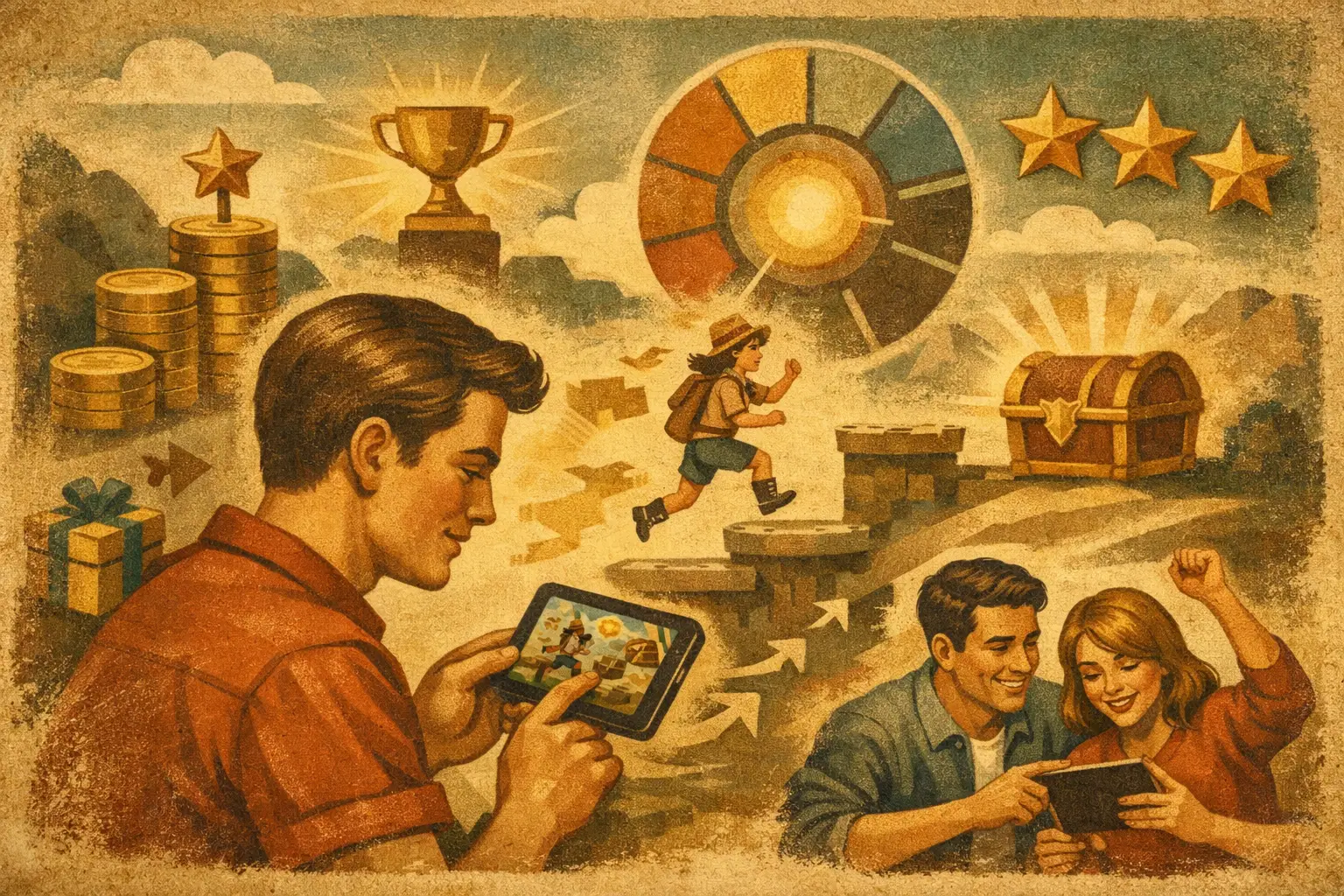
The difference between a sports app people try once and a sports app people keep opening usually comes down to one thing: momentum. A strong example of player retention gamification is not just handing out badges for the sake of it. It is building a system that gives players a reason to return next week, improve next month, and stay connected to a community over time.
That matters even more in sports, where motivation is fragile. People want to play, but life gets in the way. Schedules shift. Friends cancel. New users feel awkward joining their first game. If the product only helps with a single action, like booking a court or finding a run, it can fade fast. If the product turns participation into visible progress, social accountability, and earned recognition, retention starts to look very different.
What makes an example of player retention gamification actually work
A lot of gamification fails because it is cosmetic. A few points, a generic badge, a push notification that says "come back" - that is not a retention strategy. It is decoration.
A real player retention loop needs three pieces working together. First, the player has to take a meaningful action. Second, that action needs immediate feedback. Third, the feedback has to create a reason to return. In sports, those actions are clear: join a game, create an event, challenge someone, show up, log stats, earn a rating, win, improve, and contribute to a team.
The best systems also respect different motivations. Some players want to win. Some want consistency. Some want to meet people. Some are just trying to stop saying, "I should play more," and actually get on the field or court. Good gamification does not force one personality type into the same reward system. It gives multiple paths to progress.
A practical example of player retention gamification in sports
Imagine a pickup basketball player named Maya. She downloads an app because she wants to find games after work. On day one, she joins a local run. That alone is useful, but it is not yet retention.
Now add a progression layer.
After Maya joins her first event, she earns a "First Game" achievement. That is a small win, but it is only the start. Because she actually attended, not just tapped "interested," her activity score increases. After the game, other players rate reliability, sportsmanship, and skill level. Her profile begins to reflect a reputation she can build, not a static account she created once and forgot.
The next day, she gets a prompt tied to real context: play one more game this week to start a weekly streak. That is more effective than a random reminder because it connects to momentum she already created. Then she sees that if she completes three games in a month, she unlocks a consistency trophy. If she hosts one event, she earns organizer credit. If she accepts a direct challenge and plays, she gets challenge points separate from casual participation.
At that point, retention is no longer being driven by one feature. It is being driven by a system. Maya can return to defend a streak, improve a rating, unlock a trophy, move up a local leaderboard, or help her team stay active. Each action reinforces the next one.
That is a clean example of player retention gamification because the rewards are tied to behavior the community actually values. Showing up matters. Hosting matters. Competing matters. Being a good sport matters. The game layer reflects the real sports culture instead of sitting on top of it.
Why this works better than simple rewards
Points alone get old. Context keeps them relevant.
If a player earns points with no visible meaning, they stop caring. If points translate into levels, social proof, event priority, team standing, or visible milestones, they become part of identity. The player is not just collecting numbers. They are building a record.
That is where sports apps have an advantage over many other products. Progress already means something in sports. People understand stats, rankings, streaks, trophies, and match history. The product does not need to invent motivation from scratch. It needs to channel the motivation players already bring with them.
The mechanics that create return behavior
Stats tracking is one of the strongest retention drivers because it gives every session a memory. If players can see games played, wins, shooting percentage, sets won, attendance rate, or improvement over time, they have a reason to come back and add to the record. A blank profile is easy to abandon. A growing one is harder to walk away from.
Challenges add a different kind of pull. They create targeted tension. A casual player may ignore a general invitation to play, but respond fast when a friend challenges them directly. That small competitive spark turns passive interest into action. It also creates social accountability, which often matters more than any badge.
Teams and leagues deepen retention because players stop thinking only as individuals. Once your attendance affects a group, your behavior changes. People come back because they do not want to let the team down, and because they want to contribute to something larger than a single session.
Achievements and trophies work best when they mark real milestones. "10 games played" is better than a random badge. "Hosted your first community event" is better than a generic award. Recognition should feel earned and visible.
Even ratings and reviews can support retention if handled carefully. In sports communities, reputation matters. A player who is known for showing up, competing fairly, and making games better is more likely to get invited back. That becomes a strong reason to stay active. The trade-off is obvious, though: ratings need moderation and thoughtful design so they do not become toxic or exclusionary.
Where gamification can backfire
Not every retention tactic improves the community.
If streaks are too aggressive, players feel punished for having a normal life. If leaderboards only reward elite performance, newer or casual users can feel shut out. If every action triggers a reward, the whole system starts to feel noisy and cheap.
That is why the best sports products balance competition with accessibility. Reward the win, but also reward consistency. Celebrate high performance, but also celebrate hosting, participating, and helping the community grow. A newcomer should have a path to progress even if they are not the best player in the city.
It also depends on the sport. Tennis players may care deeply about match records and direct challenges. Pickup soccer players may care more about attendance, team reliability, and finding the next game fast. Runners may respond better to streaks and distance goals than peer ratings. A single gamification model across every sport can feel flat unless it adapts to what players in that sport actually value.
Building retention around community, not manipulation
This is the real line that matters. Retention should not mean trapping people in a loop. It should mean making it easier, more fun, and more rewarding to keep doing something they already want to do: play sports.
That is why the strongest systems feel community-first. They help players find their crew, get recognized, track improvement, and turn one game into a habit. They also give users some ownership. When players can shape features, vote on priorities, and help define what recognition looks like, retention gets stronger because the product starts to feel like their space, not just another app asking for attention.
For a platform like Crewters, that builder mindset fits naturally. Sports are social. Progress is social. Even competition is social. The more the product reflects that reality, the more retention becomes a byproduct of belonging.
What to remember from this example of player retention gamification
The best example of player retention gamification is not a flashy reward screen. It is a connected system where participation leads to feedback, feedback leads to progress, and progress leads back into the community.
When a player can join a game, earn recognition, build a profile, accept a challenge, help a team, and see real improvement over time, coming back stops feeling like work. It starts feeling like the natural next move.
Build for that feeling, and you are not just increasing retention. You are giving people a better reason to keep playing.