
Why Use Player Reviews After Games? Fairer Play
August 16, 2026 · Chris Palmer
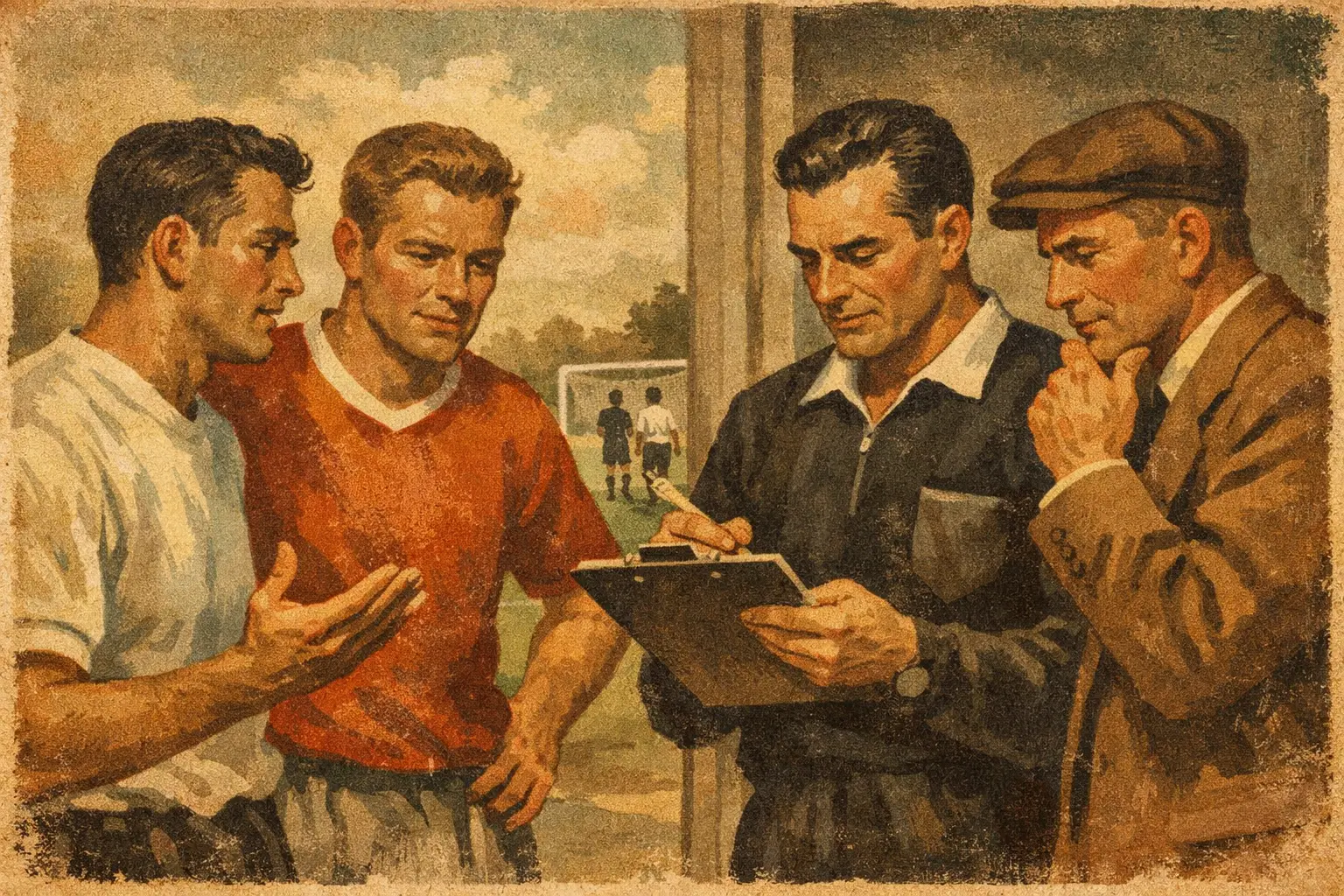
A close game can be decided by a last-minute goal, a disputed line call or one player refusing to track back. But the score only tells part of the story. Knowing why to use player reviews after games helps turn those small moments into something useful: a clearer picture of who people enjoy playing with, who competes fairly and who makes the session worth coming back for.
For pickup football, basketball runs, tennis challenges and every other local sport, the real product is not just the fixture. It is the next fixture. Players return when they trust the people, feel welcome at their level and know effort gets recognised. A thoughtful review system gives communities a way to build that trust after the whistle.
Why Use Player Reviews After Games?
Player reviews give performance a social dimension. Stats can show goals, assists, points or wins. They cannot always show whether someone encouraged a new player, played within the agreed rules, arrived prepared or stayed positive when the game became tight.
That matters most in open games, where people may not know each other yet. If you are joining a five-a-side session after work or looking for a tennis partner while travelling, you are taking a small social risk. Will the game be organised? Is the level as advertised? Will people play competitively without making it miserable? Reviews reduce that uncertainty.
They also create accountability without turning every casual match into a formal league. A player who knows their conduct is noticed has more reason to communicate, respect opponents and honour the commitment they made. That does not mean everyone needs to be silent or overly polite. Proper competition includes intensity, personality and a bit of healthy edge. The standard is simple: compete hard without spoiling the game for everyone else.
For organisers, reviews reveal patterns that a single result cannot. One bad night can happen to anyone. Repeated feedback about late arrivals, poor sportsmanship or players ignoring the format is a signal that the group needs attention. Equally, repeated praise identifies the people who keep communities moving - the reliable captains, welcoming regulars and players who make a mixed-ability game work.
Better Matches Start With Better Signals
The strongest reason to review players is not punishment. It is better matching.
When player ratings reflect reliability, attitude and game awareness alongside ability, organisers can put together groups with fewer avoidable mismatches. A highly skilled player may be brilliant in a competitive challenge but not right for a beginner-friendly session. Someone with a modest win record may still be exactly the person a new group needs because they communicate well and bring the right energy.
This is especially valuable across 122 sports, where expectations change fast. A tough tackle may be normal in one format and unacceptable in another. In tennis, a review might highlight consistency and etiquette. In a social cricket game, it could recognise someone who helps set up, explains the rules and keeps the innings moving. The useful question is not just, “How good are they?” It is, “What kind of game do they help create?”
Reviews can support progression too. If players receive feedback that they are reliable, fair and improving, that recognition becomes motivation. It gives meaning to turning up, setting goals and collecting achievements beyond the scoreboard. A reputation built over several games feels earned because it comes from the people who actually shared the court, pitch or track with you.
What a Useful Player Review Looks Like
The best reviews are short, specific and tied to what happened in the game. “Great player” is kind, but it does not give the next organiser much to work with. “Kept the game moving, communicated well and made space for newer players” is far more useful.
A good system should make it easy to rate the behaviours that matter to a community. That may include sportsmanship, reliability, teamwork, skill level and how closely the player matched the event description. These are not all equally important in every setting. A competitive league side might prioritise tactical discipline and availability. A Sunday morning pickup group might care more about friendliness and fairness.
There is also a difference between reviewing the player and reviewing the event. If the floodlights failed, the venue was double-booked or teams were uneven from the start, that should not damage an individual’s reputation. Clear categories prevent frustration being aimed at the wrong person.
Keep feedback close to the final whistle
Reviews work best when they are completed soon after the game. Details are fresher, emotions have not had days to grow and players can remember the context. The goal is a quick, honest reflection, not a post-match argument played out on a screen.
If something serious happened, such as abuse, dangerous behaviour or repeated cheating, the right response may need more than a low rating. Communities need a clear route for reporting conduct and for organisers to review what happened. A star score alone is not a safeguarding tool.
Rate the game, not the friendship
People naturally give friends generous ratings and may be harsher on opponents after a loss. That is where a community can lose trust quickly. A review should answer whether the player met the standards of that particular game, not whether they are already in your group chat.
Before submitting, ask three quick questions: Did they show up as agreed? Did they play fairly? Would I be comfortable sharing another game with them? Those checks keep feedback grounded and make ratings more meaningful over time.
Make room for improvement
A review should not trap a player in their worst moment. Everyone has an off day, especially when they are new to a sport, returning from injury or figuring out a different level of competition. Ratings should reflect a pattern, not one awkward fixture.
That is why recent activity and repeated feedback matter more than one dramatic review. A player who responds well, turns up consistently and improves their approach should be able to build their standing back through participation.
The Trade-Off: Reviews Can Be Misused
A review feature is only as fair as the culture around it. Left unchecked, it can reward popularity, reinforce cliques or make new players anxious about joining. Communities should be honest about that risk rather than pretending ratings are automatically objective.
The answer is not to remove feedback. It is to design and use it with care. Limit reviews to players who actually took part in the same event. Encourage simple behaviour-based criteria instead of vague judgements. Look for unusual rating patterns rather than treating every score as fact. Most importantly, give players a fair way to raise concerns when feedback is abusive or plainly inaccurate.
It also depends on the type of game. A one-off casual run may only need a light-touch rating focused on respect and reliability. A team competing through a season may benefit from more detailed feedback on commitment, communication and role awareness. More data is not always better. The best review process is the one players will genuinely complete and understand.
Build a Reputation That Helps Everyone Play More
At Crewters, player reviews sit naturally alongside events, challenges, teams, leagues, stats and trophies. They help turn a list of names into a community with shared standards. A good rating is not a popularity badge. It is evidence that you contribute to better sport - whether you are scoring goals, calling fair lines, welcoming a first-timer or simply being the person who always turns up.
That is useful for players looking for their next crew and for organisers trying to protect the atmosphere they have worked to create. It can make joining a new game feel less intimidating, while giving regulars credit for the behaviours that keep people involved.
After your next match, take ten seconds to leave feedback that you would stand behind face to face. Recognise the teammate who made the game better, be fair about the player who had a difficult night and keep the door open for everyone to improve. That is how a single review becomes the start of a stronger sporting community.