
Where to Find Casual Sports and Your Crew
August 4, 2026 · Chris Palmer
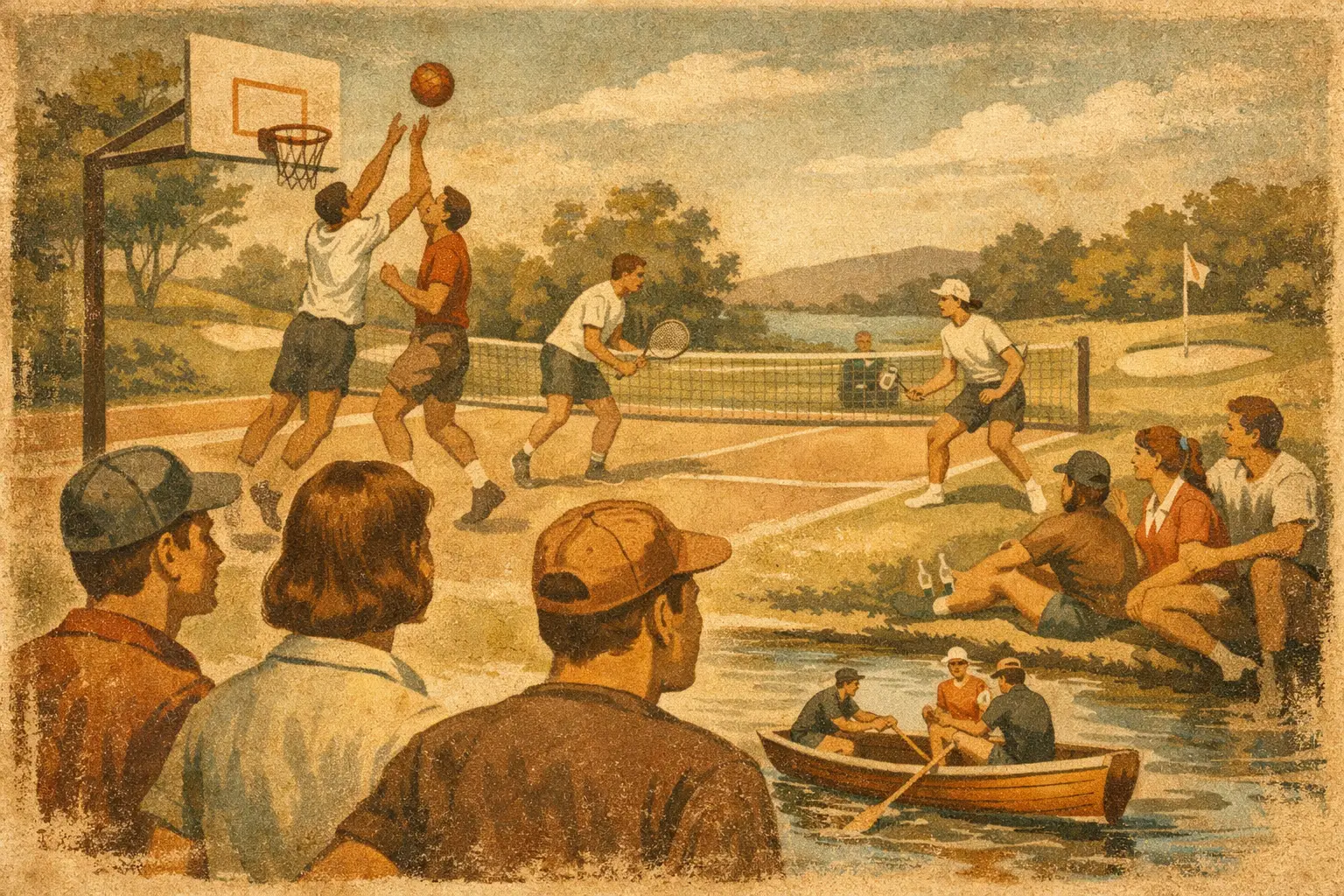
It is 5.30pm, your kit is in the boot, and you fancy a game - but your usual WhatsApp group has gone quiet. That is the real question behind where to find casual sports: not where sport exists, but where you can actually turn up, meet people and play without committing your life to a season-long league.
Casual sport works when the barrier is low and the social side is clear. You need to know the level, the time, the location and whether the group genuinely welcomes a new player. Once those pieces are in place, a Tuesday-evening kickabout, a weekend badminton session or a spontaneous basketball run can become part of your routine.
Where to find casual sports near you
Start with the places built for play. Leisure centres, sports halls, 3G pitches, tennis courts, climbing walls and university facilities are still some of the strongest local hubs because players already pass through them every week. Check noticeboards, reception desks and venue social pages, but do not stop at booking a court. Ask staff which groups need extra players or whether there are regular drop-in sessions. They usually know the patterns better than any search result.
Public spaces matter too. A busy outdoor court often has its own unwritten schedule: after-work players on weekdays, more social games at weekends, and quieter slots for people who want to practise. Watch once before joining in. If a group is running a competitive full-court game with subs waiting, ask when the next game starts and whether they rotate new people in. A quick, respectful introduction goes much further than hovering at the fence.
For football, look beyond the obvious Saturday team. Five-a-side centres, community pitches and park groups regularly need one or two extra people. For racquet sports, venue ladders and club social sessions can be a softer entry point than a formal membership. For running, cycling, skateboarding, martial arts or ultimate frisbee, local sessions often form around a familiar meeting spot rather than a polished club website.
The trade-off is that venue-led sport can involve court fees, limited slots or a mix of ability levels. That is not necessarily a problem. It just means you should find out how costs are split, whether equipment is provided and how long you are expected to stay before committing.
Use social groups, but search with intent
Local Facebook groups, neighbourhood forums and group chats remain useful for finding casual games, especially in larger towns and cities. The difference between a dead-end search and a useful one is specificity. Search your area plus the sport, then add terms such as pickup, social, beginners, mixed ability, midweek or Sunday.
Do not judge a group solely by its member count. A smaller group with three posts this week is often more valuable than a huge group whose last game happened in 2023. Look for practical details: who is organising, where the session is held, how players confirm, what happens if someone drops out, and whether newcomers are acknowledged.
If you are posting for the first time, make it easy for people to say yes. Share your sport, rough level, preferred area, available times and whether you can bring equipment. "Anyone for football?" puts work on everyone else. "Looking for a relaxed 5-a-side game near Ancoats on weekday evenings - happy to play defence and split the pitch cost" gives people something concrete to respond to.
Find casual sports through pickup events
Pickup events are often the fastest route from wanting to play to having a game in the diary. Unlike a league, there is no long-term obligation. Unlike messaging friends individually, the event itself provides the plan: date, venue, numbers and format.
Good organisers make the expectations visible. A casual event should state whether it is beginner-friendly, competitive or mixed-level; whether teams are chosen on arrival; and whether players need to bring a ball, bib or racquet. These details prevent the classic awkward arrival where half the group expected a friendly run and the other half arrived ready for a cup final.
If no suitable game exists, create one. Start smaller than you think. A three-a-side basketball session, doubles tennis slot or six-person badminton booking is easier to fill than an ambitious twenty-player event. Give it a recurring time if possible. The same Wednesday slot each fortnight builds familiarity, and familiarity is what turns a one-off game into a crew.
Crewters is built around that action: finding venues, joining or creating pickup events, challenging players and building teams across a wide mix of sports. The useful bit is not simply seeing that people nearby enjoy the same sport. It is having a clear way to turn that shared interest into an actual session.
Choose the right level, not the most impressive one
A casual game only feels casual if the standard matches the room. Newer players often avoid joining because they worry about slowing everyone down. More experienced players can have the opposite problem, turning up to a social session expecting a hard contest. Both are avoidable with better descriptions and honest communication.
When you join, ask simple questions: Is it rolling subs? How competitive is it? Are people learning? Does everyone get court time? A good group will answer without making you feel like an outsider. If the response is vague, give it one session and decide for yourself. You do not owe a group a permanent commitment because you played once.
There is also value in being the person who sets the tone. Welcome someone new, introduce them to two people, explain the rules and make sure teams are balanced. Social accountability is not just an organiser's job. It is how groups keep their best players, beginners and occasional attendees coming back.
Try workplaces, campuses and community spaces
Work and study can be better starting points than sport-specific channels because there is already a degree of trust. A lunch-break table tennis group, after-work netball session or Sunday run with colleagues removes the hardest part: turning up among strangers. If your workplace has no sport group, a single post in the right channel can reveal how many people have been waiting for somebody else to organise it.
Students should look beyond official university squads. Societies, halls of residence and campus recreation programmes often run social sessions for people who want movement and company without trials or elite-level expectations. These groups can be particularly good during the first few weeks of term, when lots of people are actively looking for new routines.
Community centres, libraries and faith groups may also host low-cost activity sessions. These are worth considering if access and affordability matter more than formal facilities. The sport might be less polished, but the welcome can be stronger.
Make it easier to keep playing
Finding one game is useful. Finding a repeatable way to play is better. Save the details that worked: venue, organiser, regulars, costs and the best time to confirm. If a game was good, tell the organiser quickly and put the next session in your calendar before the post-match chat fades away.
Bring reliability as well as enthusiasm. Confirm early, cancel with notice and do not vanish when pitch fees are due. Casual sport depends on small acts of follow-through. When people know you will show up, they invite you back, add you to groups and ask you to fill spaces before they post publicly.
A little friendly competition helps, too. Set a personal goal such as attending twice a month, improving your serve or getting a first win against a mate. Track the sessions that make you feel better, not only the scores. Progress is a powerful reason to return, but belonging is usually the reason people stay.
The best place to play may be five minutes from home, hidden in a chat group, or waiting for you to create it. Send the message, join the session or book the court. Your next regular game starts when somebody makes the first move.