
What Sports Can You Play? Find Your Next Crew
August 17, 2026 · Chris Palmer
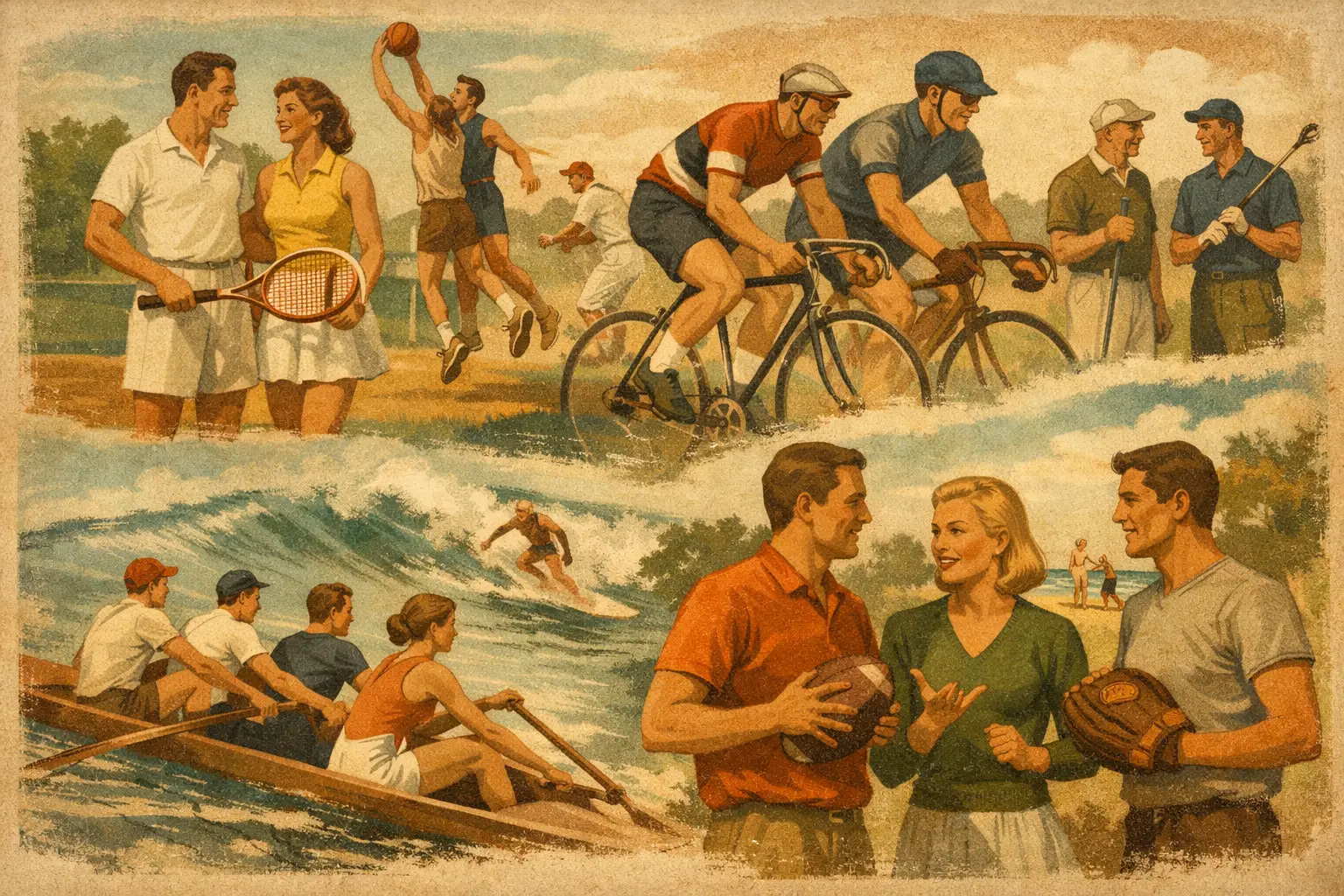
A court is empty at 6pm, your mates have cancelled again, and you still want to move. So, what sports can you play that fit your energy, confidence and actual week? The honest answer is more than most people think. The better question is which sport will get you showing up again next Tuesday.
What sports can you play right now?
You do not need to join a serious club, buy a full kit or arrive with a team to start. In the UK, pick-up sport, casual sessions and beginner-friendly groups make it possible to try something new without treating your first game like a trial for the Olympics.
For fast, social action, football, basketball, netball, rugby touch and hockey work brilliantly. Five-a-side is especially useful when you want a proper run-out in under an hour, while basketball is easy to organise with a hoop, a ball and a few players. Volleyball, rounders and ultimate frisbee bring the same team energy with less pressure on technical ability at the start.
If you prefer competition where your progress feels more personal, try tennis, badminton, table tennis, squash, padel, golf or darts. These sports can work with one other person, which removes the headache of finding ten people with the same free evening. They also make improvement visible: a better serve, a longer rally, a tighter scoreline.
For people who want movement without the usual team-sport atmosphere, climbing, swimming, running, cycling, martial arts, yoga and rowing are all strong choices. You can train independently, but there is still a real community waiting around sessions, clubs and local challenges. A Saturday group ride or a bouldering session can be as social as a league fixture.
Then there are the sports that make a great conversation starter precisely because fewer people expect them: pickleball, korfball, lacrosse, handball, dodgeball, fencing, roller derby, archery and pétanque. Niche does not mean inaccessible. It often means a smaller, more welcoming group where everybody remembers what it felt like to be new.
Choose a sport by the feeling you want
Picking based only on what looks good online is how a new pair of trainers ends up collecting dust. Start with the experience you want from your week.
Want to blow off steam? Contact or high-tempo sports such as football, boxing, basketball and squash provide a hard reset after work or study. Want a sociable routine? Netball, volleyball, cricket and running clubs give you familiar faces as well as exercise. Want focused, measurable progression? Tennis, climbing and martial arts reward repetition and make small gains obvious.
Your preferred level of competition matters too. Some people come alive when there is a scoreboard, a challenge and something on the line. Others want the freedom to miss a shot, laugh about it and play on. Neither approach is better, but being honest about it helps you find the right session. A casual game advertised as competitive can be frustrating; a relaxed game can feel flat if you are ready to push yourself.
Match the sport to your real schedule
The best sport is rarely the one with the flashiest highlights. It is the one you can play often enough to enjoy getting better.
Think about travel time, cost, weather and how many people are needed. Swimming and gym-based classes can be convenient because sessions run throughout the day. Tennis and padel need a court and another player, but they are easier to fit into an evening than a full football match. Outdoor cricket can be brilliant in summer, yet it asks more of your calendar than a 45-minute lunchtime badminton booking.
If you work irregular hours or are travelling, choose sports with low coordination friction. Running, climbing, swimming, racket sports and pick-up basketball are often easier to join at short notice than fixed league teams. That does not make them less community-led. It simply makes the first step more realistic.
Start where your confidence is, not where your ego is
Being a beginner can feel awkward, especially in sports where everyone else appears to know the rules, the shorthand and where to stand. That feeling is normal. It is also temporary.
Look for sessions labelled beginner, social, mixed ability or casual. Ask before joining whether players rotate teams, whether equipment is available and how competitive the group tends to be. A good organiser will answer clearly. If they cannot tell you whether newcomers are welcome, choose another session.
You do not need to master every rule before your first game. Learn the safety basics, turn up on time and tell people you are new. Most players would rather explain an offside call or scoring system once than watch someone spend the whole session worrying about getting it wrong.
There is a trade-off here. A beginner-only session offers confidence and space to learn, while a mixed-level game can speed up improvement by putting you around stronger players. Try both. The right balance depends on whether you need encouragement, challenge or a bit of each.
Build a crew, not just a one-off plan
Sport becomes easier to keep when other people know you are coming. A regular game adds social accountability without making fitness feel like homework. One person who messages, “Are you in for Thursday?” can change whether you actually go.
Start small. Invite two friends to a court, pitch or park session. If nobody is free, join an existing event rather than waiting for the perfect group to appear. After a good game, save the players you clicked with and suggest the next one before the chat goes quiet.
This is where an all-sports community is more useful than another single-sport group. You might meet a teammate through five-a-side, then find out they also play padel, climb on Sundays or need someone for a midweek basketball run. Crewters is built around that crossover: create an event, challenge players, form a team and keep your activity moving rather than restarting the search every time.
Give yourself a reason to return
A new sport sticks when it gives you a clear next target. That target does not have to be winning a league. It could be attending four sessions this month, completing your first 5K, landing a consistent serve, learning to belay safely or bringing one new person into the group.
Track what matters to you. Scores and wins are satisfying, but so are appearances, personal bests and the confidence to join a game without overthinking it. Friendly ratings, achievements and shared milestones can make casual sport feel like progress rather than a random diary entry.
Avoid doing too much too quickly. If you have been inactive, two sessions a week is a better foundation than six intense sessions followed by three weeks off. Let your joints, fitness and confidence catch up. Rest is part of playing more, not evidence that you are falling behind.
The sport you can play is the one you will repeat
We cover over 122 sports and plenty more variations, but you do not need to test them all before choosing. Pick one that sounds fun, find a low-pressure session and put it in the calendar. If it is not your thing, that is useful information, not failure. Keep trying, bring someone along, and find the crew that makes turning up feel like the easy part.