
Sports Tracking Apps That Get You Playing More
November 14, 2026 · Chris Palmer
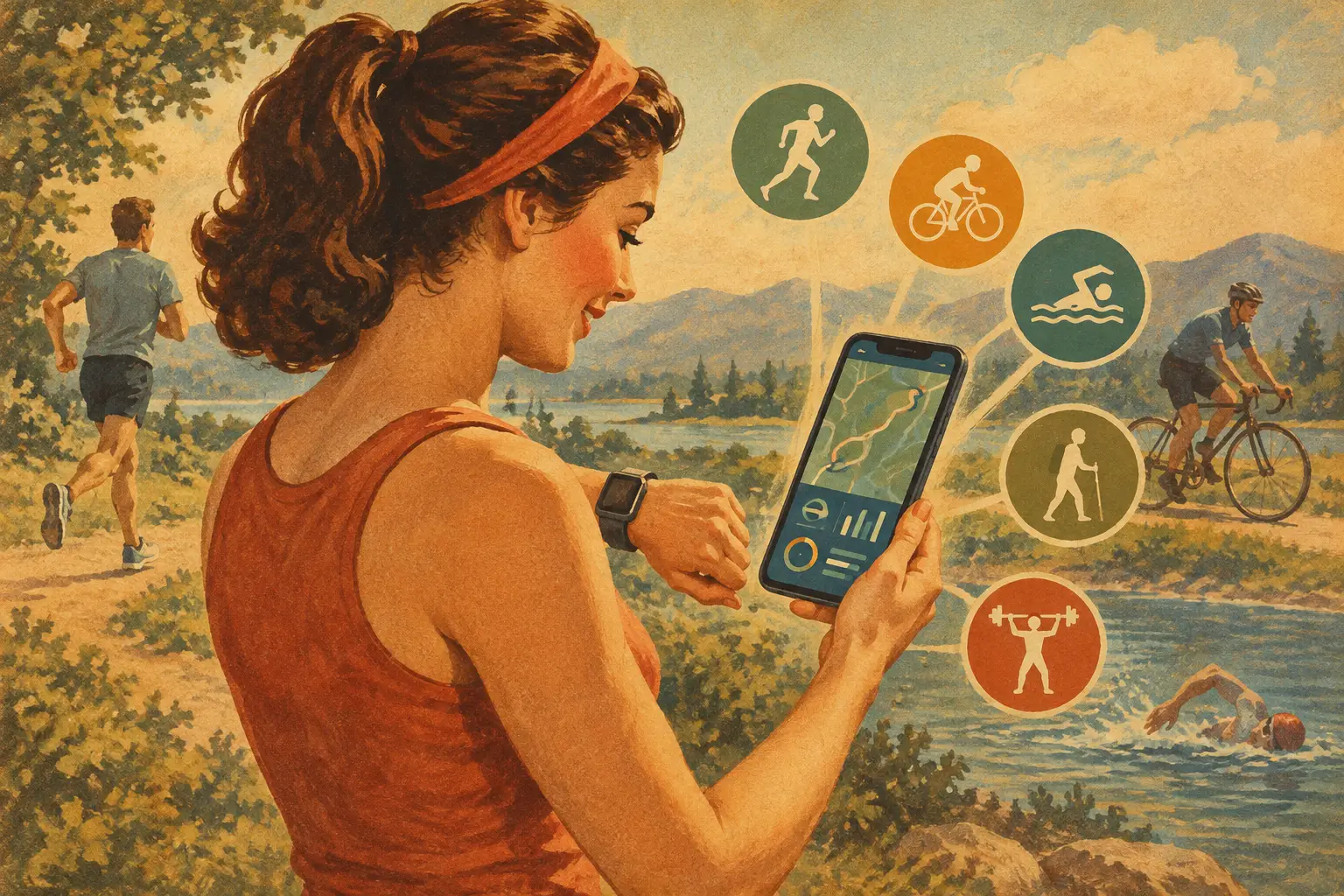
A step count can tell you that you moved. It cannot tell you that you finally found a Tuesday five-a-side game, held your own against a better player, or came back next week because your mates expected you there. The best sports tracking apps do more than collect numbers. They make playing feel visible, social and worth repeating.
For recreational athletes, that distinction matters. Most people do not stop playing because they lack a graph. They stop because organising a game is awkward, progress is hard to feel, or there is no clear next session in the diary. A useful app should reduce those gaps, not add another dashboard to maintain.
What sports tracking apps should actually track
There is no single perfect stat across 122 sports. A runner may care about pace and distance; a tennis player may want match results; a basketball group may care more about attendance, wins and who is ready for the next run. Tracking only works when the information matches the reason you play.
Start with participation. Sessions played, events joined, challenges completed and consistency over time are often the most meaningful measures for casual and competitive players alike. These figures answer the question that matters before any other: are you actually getting on court, onto the pitch or into the pool more often?
Then add performance data that can be recorded fairly. In a football game, that could mean goals, assists or clean sheets. In tennis, wins, sets and opponents played may be enough. For sports where detailed stats are difficult to capture without specialist equipment, simple post-game reporting is better than invented precision. Nobody needs a questionable heat map from a 40-minute park game.
Finally, track progression. Goals, streaks, trophies and achievements can turn a vague ambition such as “play more” into a visible record of effort. The point is not to make every session feel like work. It is to give regular participation a little more pull when the sofa is making a strong case.
Track the context, not just the outcome
A score without context can mislead. Losing a close basketball game against a well-organised team says something very different from losing a game where half your side has never met. A smart record includes the event, the sport, the venue, the people involved and, where relevant, the level of play.
That context also makes a personal history genuinely useful. You can see which venues produce your best sessions, which groups reliably turn up, and whether you enjoy competitive league fixtures, informal pickup games or direct challenges more. Data becomes a prompt for better choices, rather than a pile of numbers.
The social layer is where motivation sticks
Solo tracking has its place, especially for training plans. But sport is rarely only about individual output. It is about the person who sends the message saying there is one spot left, the familiar faces at a weekly session, and the rematch after a narrow defeat.
This is why the strongest sports tracking apps connect activity to people. When an event is created, joined and completed in the same place, attendance becomes part of a shared story. When players can challenge friends, form teams and compete in leagues, a result has somewhere to go beyond a private logbook.
There is a practical benefit, too. Social accountability is one of the simplest ways to build consistency. You are more likely to play when your team needs numbers, when a challenge is waiting, or when you have committed to a regular group. The app should make that commitment easy, not make you chase screenshots across three chats.
Player ratings and reviews can help communities organise balanced games, but they need care. A rating should reflect reliability, sportsmanship and level of play where those signals are useful, not become a popularity contest. Good sports communities make room for newcomers and keep competition respectful. If tracking makes beginners feel judged before they have played their second game, it has missed the point.
Choose features that lead to real sessions
Before downloading another app, ask one straightforward question: will this help me play more often, or merely give me more to look at? The answer depends on your sport and routine, but several features tend to have real-world value.
Event discovery matters when you need a game near you or are travelling. A directory of venues is useful, but it becomes far more valuable when you can see activity around those venues and join an actual session. For someone new to an area, this can be the difference between intending to play and finding a crew that evening.
Challenges work well for friends, training partners and local rivals. They give a quick structure to a one-off match without the commitment of joining a formal league. Teams and leagues add another level for players who want a regular competitive rhythm, shared identity and a season to build towards.
Live streaming can also bring energy to an event, particularly for community tournaments or matches friends cannot attend. It should be treated as an option, though, not an expectation. Some games are better when everyone is present, phones are away and the only audience is the people waiting for the next game.
Look for an app that handles these pieces in one connected flow: find a venue, join an event, play, record the result and carry that progress into your profile or team. Fragmented tools can work, but they create friction. One app for organising, another for scores and a third for group messages makes a casual game feel like admin.
Make your stats useful without becoming obsessed
Numbers can motivate, but they can also distort the way you play. If every decision is shaped by protecting a rating or extending a streak, sport becomes less generous. Players may avoid stronger opponents, skip mixed-level sessions or chase individual stats instead of making the right pass.
Set measures that reward the behaviour you want more of. If your aim is to rebuild fitness, aim for two sessions a week rather than a winning percentage. If you want to improve at tennis, track matches against different opponents and one skill goal for the month. If you are building a new community game, focus on reliable attendance and welcome new players.
A good rule is to review progress after enough time has passed to spot a pattern. One bad match is a bad match, not evidence that you are getting worse. Four to six weeks of activity can show whether you are becoming more consistent, playing at a better level or simply enjoying your sport more.
Keep data fair and private
Any sports app that records results, locations and player feedback carries responsibility. Be selective about what you share publicly, especially for regular local sessions. Organisers should explain how scores, reviews and media are used, and players should be able to correct obvious mistakes.
Accuracy matters as well. Community-entered stats are most useful when everyone understands the rules. Decide who confirms a result, whether captains approve team scores, and how disputed ratings are handled. A lightweight process protects the fun without turning pickup sport into a tribunal.
Build a playing habit, not a perfect profile
The real test of a tracking app is what happens after you close it. Do you have another game lined up? Have you met people you would play with again? Can you see a small, honest sign that you are improving?
Crewters is being built around that loop: discover places to play, create or join events, challenge players, form teams, compete in leagues and keep your progress visible through stats, goals and trophies. It is designed for people who want sport to feel more connected, across the sports they already love and the ones they are curious to try.
The best part is that tracking need not be passive. Treat your activity as a signal to your community. Create the session. Invite the player who gave you a tough game. Join the beginner-friendly run as well as the competitive one. Then use the record of what happened to choose your next game with more confidence.
Your stats should not be the end of the experience. They should be the nudge that gets you back out there, with a new challenge, a better crew and a date in the diary.