
Recreational Leagues That Keep You Playing
November 15, 2026 · Chris Palmer
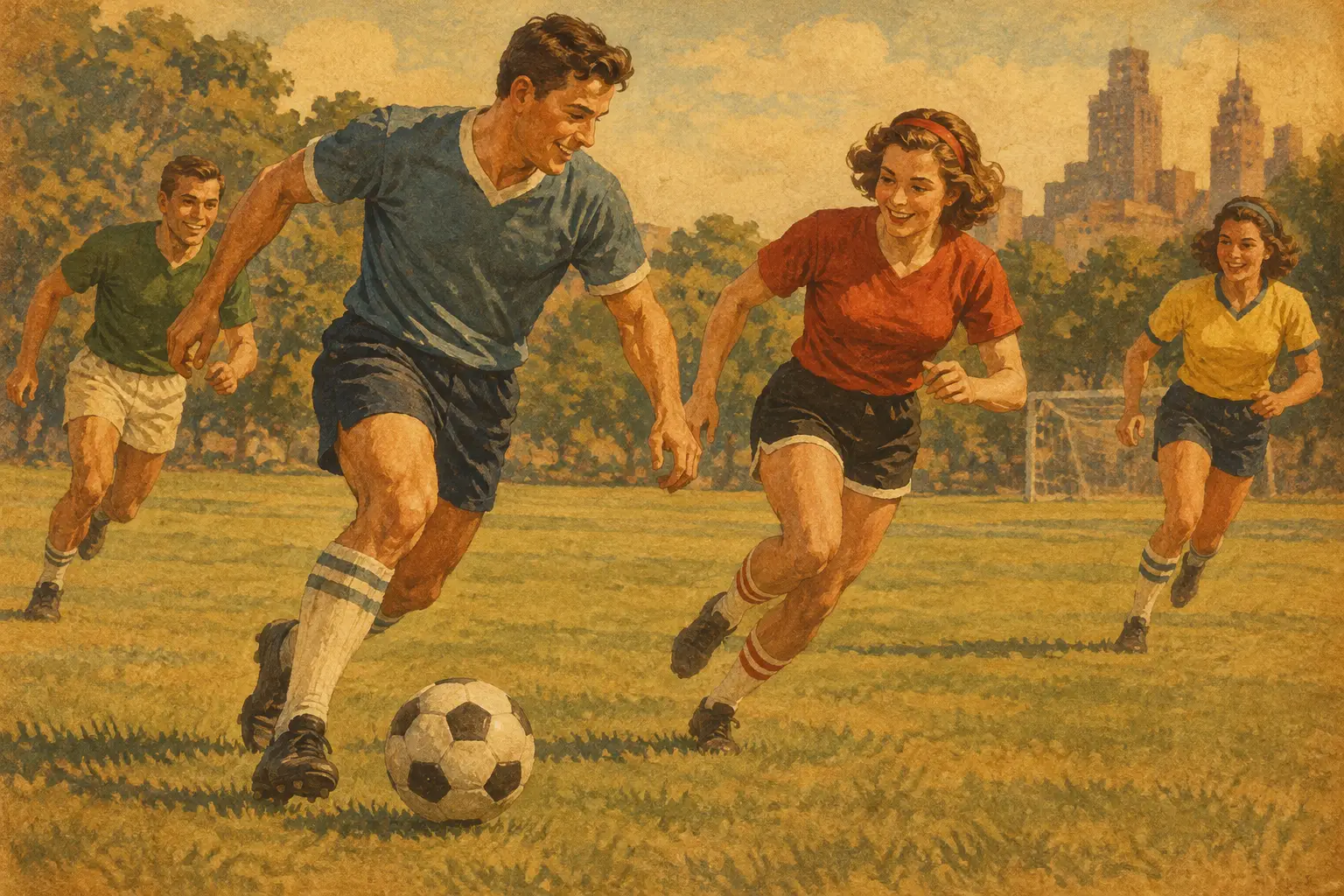
A Tuesday night five-a-side match can do more for your week than another vague promise to “get active”. Recreational leagues turn the intention to play into a fixture in the diary, a team expecting you, and a reason to leave the sofa when the weather is grim. They create the kind of routine that makes sport stick.
For some players, that means a relaxed after-work badminton league. For others, it is a competitive basketball table where every point matters. The best format is not the one with the most polished social posts or the strongest teams. It is the one you can realistically show up for, enjoy, and keep returning to.
What recreational leagues actually offer
A recreational league is organised sport without the assumption that you have trained since childhood or want your entire weekend consumed by fixtures. Teams play regular matches over a set period, usually earning points towards a table, playoffs or a final. The structure gives games a little consequence, but the experience should still leave room for beginners, returning players and people whose main goal is to have a good runaround with mates.
That middle ground matters. Pickup games are brilliant when you want flexibility, but they can disappear when too few people reply. Serious club competition can offer a high standard, yet may feel intimidating if you are new, rusty or simply not chasing elite performance. A league sits between them: a recurring commitment with a clear place for community.
The practical benefits add up quickly. You stop wasting time trying to persuade six group-chat ghosts to play. You meet people beyond your existing circle. You get a regular measure of progress, whether that is more assists, a stronger serve, better fitness or the confidence to ask for the ball in a tight game.
Choose a league that fits your real life
The most common mistake is choosing based only on the sport. Football might be your favourite game, but a league on the other side of town at 9.30pm is unlikely to become a lasting habit. Before joining, look at the whole experience: venue, travel time, start time, cost, team size and how substitutions work.
Start with the standard, not your ego
Most recreational leagues use divisions or labels such as social, intermediate and competitive. Take those labels as a starting point, not a perfect measurement. Ask the organiser how they place new teams, whether scores get lopsided, and what happens if your squad is clearly in the wrong division.
If you have not played for years, starting one level lower is often the smart move. You will get more touches, make decisions under less pressure and build confidence faster. There is no prize for spending a season chasing a team you cannot catch.
The reverse can also be true. If your group is experienced and wants a proper test, a purely social division may become frustrating for everyone. Recreational does not have to mean passive. You can compete hard, track results and want to win while still respecting opponents and keeping the atmosphere welcoming.
Check the commitment before you build a team
A season format rewards consistency, which is great until half the squad starts cancelling on match day. Find out the number of fixtures, whether there are breaks around holidays, and whether your team must provide substitutes or can borrow players. A seven-a-side football squad with exactly seven names is not a squad. It is a future forfeit.
Build a small buffer from the start. In most team sports, that means recruiting enough players to cover work trips, illness and the occasional forgotten birthday dinner. Agree the expectations early too: who pays, who books, who communicates and whether people are there for laughs, promotion or both.
Make the venue part of the decision
Convenience beats good intentions. A decent court or pitch near work, campus or home gives you a better chance of playing week after week. Consider changing facilities, lighting, parking or public transport, especially for late fixtures. These details sound minor until you are sprinting for the last train in wet kit.
For UK players, winter adds another layer. Outdoor leagues can be brilliant, but cancellations and heavy conditions may affect momentum. Indoor formats offer more reliability, though they can be faster, smaller-sided and more expensive. Neither is automatically better. Choose the environment that suits how you actually want to play.
The people matter as much as the table
A league is a social system disguised as a fixture list. You may remember the score for a day; you will remember whether teammates passed the ball, welcomed new players and handled a defeat without turning a casual match into a courtroom.
Good organisers set the tone. They publish rules clearly, deal with poor behaviour, make results easy to understand and create sensible routes for players to join. Good captains do the rest: they communicate early, rotate fairly where appropriate and make sure newcomers are not left standing on the edge of the warm-up.
If you are joining alone, do not wait for a perfectly formed team invitation. Look for individual-player places, mixed squads or teams that need one or two regulars. Showing up consistently is one of the quickest ways to become part of a sporting community. Skill helps, but reliability is noticed first.
This is also where all-sport communities can be useful. Someone you meet at a tennis session may need a basketball player next week, or know a local netball group that suits your level. Crewters is built around that wider idea: events, teams, challenges and leagues should help players find their crew across the sports they already love and the ones they want to try.
Make competition motivating, not miserable
Tables, stats and trophies can make a recreational season feel more alive. They give a Tuesday evening match a story: a run of wins, a comeback after a tough start, or a personal target to improve before the next round. Used well, progression makes people return.
Used badly, it can make players afraid to participate. The answer is not to remove competition. It is to keep it proportionate. Celebrate the player who turns up after a difficult week, the newcomer who makes their first clean pass, and the teammate who volunteers in goal as readily as the top scorer.
Set goals that go beyond winning the league. Your team might aim to avoid forfeits, give every player meaningful minutes, cut needless arguments with officials, or bring one new person into the squad each month. Those are competitive standards too. They build a team people want to represent.
If your local league is not quite right, help improve it
Not every league will suit you. Some have uneven divisions, inflexible schedules or a culture that feels closed off. Give it a fair chance, share constructive feedback, then move on if it is draining more energy than it gives back. Your leisure time is valuable.
Better still, become part of the solution. Start a team, organise a trial session, invite colleagues who have been saying they want to play, or suggest a beginner-friendly division to an organiser. Community sport grows when players stop treating themselves as customers only and start acting like contributors.
The right league will not make every fixture easy. You will still have tired legs, missed chances and evenings when the opposition are annoyingly well organised. But if it gives you a place to play, people to compete with and a reason to keep improving, make the next fixture the one you commit to.