
Pickup Events vs Club Training for Players
October 8, 2026 · Chris Palmer
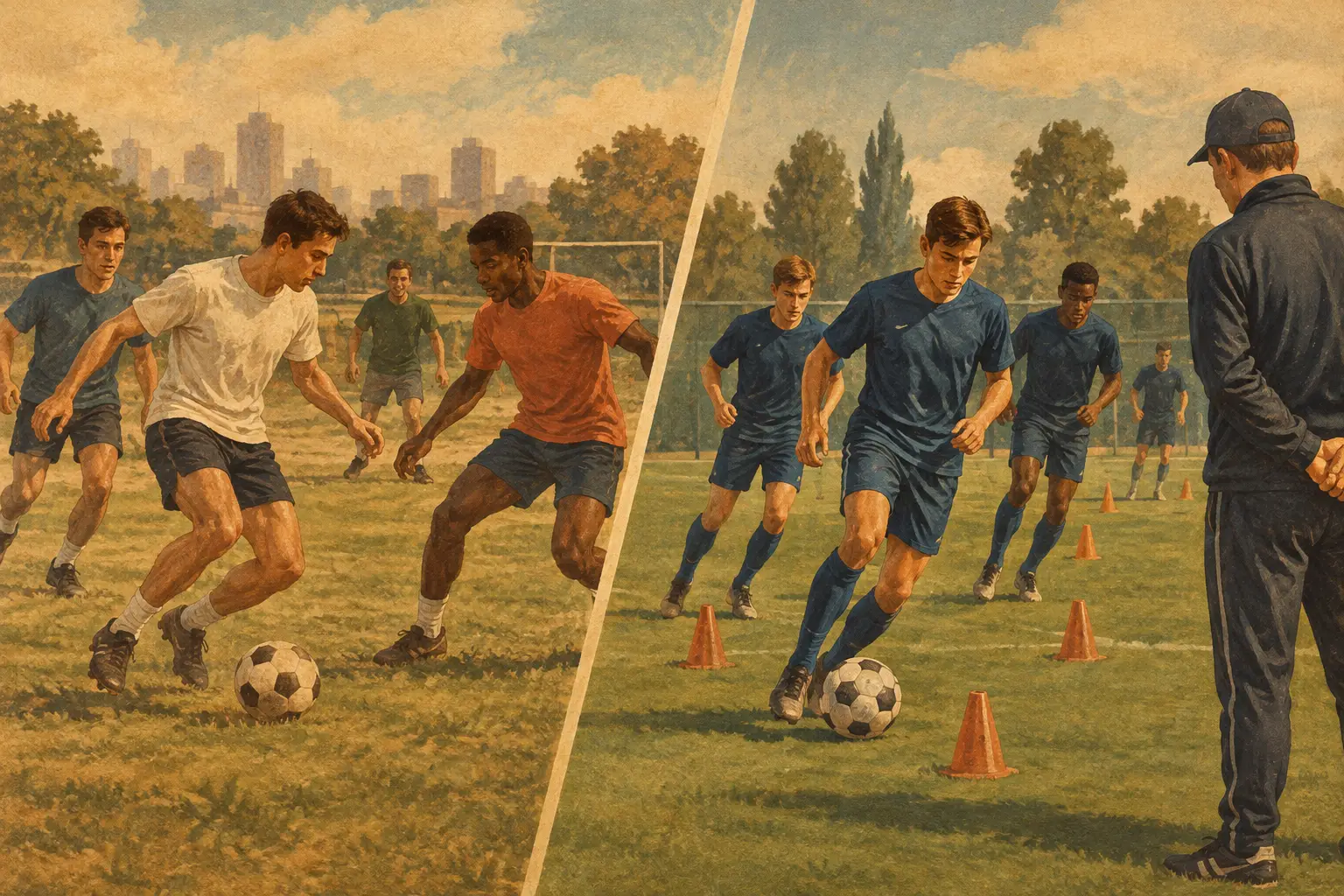
Pickup events vs club training is not a contest with one winner. It is a choice between two different reasons to play. One gives you a quick route from a free evening to a real game. The other gives you coaching, continuity and a season-long target. Most active players will benefit from both, but the right balance depends on what you want from sport this month.
If you have ever wanted a game of five-a-side after work, a tennis hit while travelling, or a basketball run without spending three weeks in a group chat, pickup has obvious appeal. If you want to improve your first touch, learn a system, or compete for something bigger than one result, a club session can be worth the commitment. The useful question is not which format is better. It is which one gets you playing more often, with more purpose.
What pickup events give you
Pickup events are organised games that prioritise access. Someone creates a session, players join, a venue fills up and the match happens. The format can be casual or competitive, mixed ability or invite-only, one-off or repeated every Thursday. What matters is that the barrier to entry is low.
That flexibility is powerful. You do not need to commit to a full season before finding out whether a sport, venue or group suits you. New to an area? Pickup can introduce you to the people who actually play nearby. Away for the weekend? It can turn a spare hour into a game rather than another scroll through your phone.
For beginners, that lower commitment can feel far less intimidating than arriving at an established club where everyone already knows the drills and the social rules. For experienced athletes, pickup offers variety: different opponents, different surfaces, different styles of play. It can also be the quickest way to stay active when work, study or family life makes fixed sessions difficult.
There is a social benefit too. A good pickup event creates a reason for people to show up, make an effort and meet others through the game itself. You may arrive without a teammate and leave with someone to challenge next week. That is how local sporting communities grow: one reliable session, then another, then a crew who know they can find a game.
The trade-off is structure. Pickup does not automatically provide a coach, planned development or balanced teams. The quality of play can change from week to week. One event may be brilliantly organised and evenly matched; another may need clearer rules, stronger attendance or a better way to separate ability levels. The format works best when organisers set expectations early and players respect the group.
What club training gives you
Club training is built around progression. There is usually a regular time, a coach or captain, a familiar group and a clear standard to work towards. Sessions may cover technique, fitness, tactical decisions and teamwork before a fixture or league match puts those habits under pressure.
That repetition is where club training earns its place. You can spot patterns in your game because somebody sees you play every week. A coach can correct your movement, a teammate can hold you accountable, and a planned session can make you practise the awkward parts you would avoid in a casual game. If you want to get sharper, more confident or more competitive, that feedback loop matters.
Clubs also create deeper belonging. There are team identities, league tables, post-match conversations and shared objectives. For many players, especially those who enjoy regular competition, this is the difference between exercising and being part of a sporting life. You are not simply booking a court or pitch. You are contributing to a group that relies on you.
But structure asks something back. Training nights may clash with work shifts, exams or childcare. Fees, kit, travel and membership can add up. Some clubs are welcoming from day one, while others can feel harder to enter if you are returning after a long break or do not yet know anyone. A poor fit can make sport feel like another obligation on the calendar.
That does not mean club training is only for serious athletes. Plenty of clubs run social sides and development sessions. It does mean you should ask what the club actually offers: coaching quality, playing opportunities, expected attendance, level of competition and whether newcomers get a genuine route into the team.
Pickup events vs club training: the real comparison
The biggest difference is not casual versus serious. Pickup can be fiercely competitive, and club training can be social. The real divide is between flexibility and planned development.
Choose pickup first when your main problem is getting on the court, pitch or track at all. It is ideal if your diary moves around, you want to try a new sport, you are building confidence, or you want more games alongside your existing routine. A well-run pickup event gives you an immediate win: you played today, met people and have a reason to return.
Choose club training first when your main goal is improvement through consistency. It suits players preparing for competition, learning the foundations of a sport, recovering their rhythm after time away or looking for a team environment. The fixed commitment is not a drawback if it is exactly the accountability you need.
Cost and convenience can swing the decision. A nearby weekly pickup game may beat a highly rated club that takes an hour to reach. Equally, paying for quality coaching may be better value than playing several random games that never challenge you properly. Be honest about the journey, the budget and the time you can sustain, not just the version of yourself who is motivated on a Sunday evening.
Ability level matters, but it should not become a gatekeeping tool. Beginners need patient groups and clear expectations. More advanced players need sessions with pace and challenge. In either format, the best organisers explain the standard, welcome the right people and protect the atmosphere. Nobody enjoys turning up to a supposedly social game only to find a win-at-all-costs mood, or joining an intense club session expecting a relaxed kickabout.
Build a better playing routine with both
The strongest answer for many people is not either-or. Use club training as your development anchor, then add pickup when you want extra touches, fitness, variety or a lower-pressure game. A footballer might train with their club on Tuesdays and join a Thursday five-a-side event to work on quick decisions. A tennis player might have a coached session at the weekend and arrange a midweek hit with someone at a similar level.
Pickup can also be the front door to club sport. It lets people find local venues, test their interest and meet potential teammates before committing. Clubs benefit too when more people are active in the local scene. Someone who starts with a relaxed social game may become the reliable league player a few months later.
This is where better organisation changes everything. When players can see who is joining, what level the event suits and where it is happening, they can make a confident decision instead of gambling on a vague message. Stats, goals and achievements can add another layer of motivation, especially for people who enjoy seeing attendance and improvement build over time. Friendly ratings and post-game feedback should support good sportsmanship, not turn every casual match into a trial.
Crewters is being built around that wider picture: create an event, find your crew, issue a challenge, join a team and keep your sporting momentum visible across more than one sport. The point is not to force every player into the same pathway. It is to make participation easier, then let each community shape what comes next.
How to choose your next session
Start with one clear goal. If you need a game this week, join or create a pickup event. If you want measurable improvement over the next three months, try a club session and ask about the pathway for new players. If you want both fitness and friends, prioritise the group whose culture makes you want to return.
Then give the format a fair test. One awkward pickup game does not prove pickup is not for you, just as one overly intense trial does not represent every club. Try a few sessions, speak to organisers and notice how you feel afterwards. Energised, included and keen to play again is a far better signal than prestige alone.
Your best sporting routine is the one that survives a busy week. Find the people, places and level that make showing up feel possible, then keep building from the next game.