
Open Teams Versus Trials: Which Gets You Playing?
November 8, 2026 · Chris Palmer
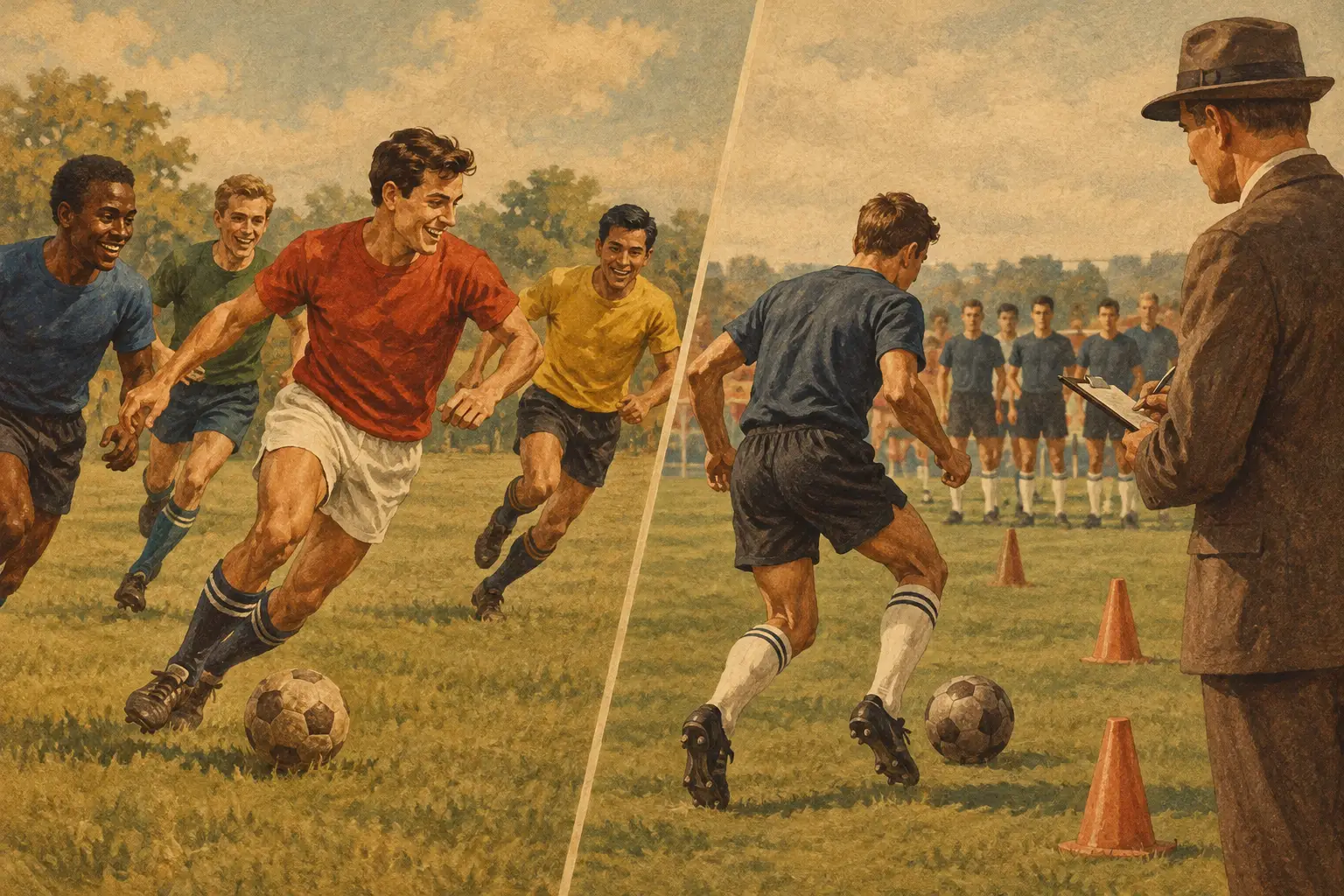
You have the boots, racquet, trainers or kit bag ready. The real question is how you get onto the court, pitch or field in the first place. Open teams versus trials is not just a choice between two ways to join a side. It shapes who gets a chance to play, how quickly a group gels, and whether sport feels like a weekly habit or another closed door.
For players, organisers and growing local communities, neither route is automatically better. Open teams make it easier to start. Trials can create a clearer competitive standard. The right choice depends on what the group is building and what you want from your next game.
Open teams versus trials: the core difference
An open team welcomes players without making selection the entry point. You might sign up for a casual five-a-side squad, join a local basketball group, or fill a space on a tennis team through a social event. Ability can still matter later, especially when organising line-ups, divisions or training groups, but joining comes first.
Trials reverse that order. Players attend a session or series of sessions, and the organiser selects a squad based on skill, position, attitude, fitness and the team’s needs. This is common in competitive clubs, university sport and structured league teams chasing promotion or titles.
The difference sounds simple, but the experience is very different. An open team says, “Come play and show up.” A trial says, “Show us why this squad is the right fit.” Both can be fair. Both can also go wrong when the expectations are vague.
Why open teams get more people playing
Open teams remove the hardest part of getting involved: the moment where a new player has to prove they belong before they have even met anyone. That matters for beginners, people returning after time away, players new to an area, and anyone who has spent too long scrolling group chats with no actual match arranged.
The best open teams are not careless about standards. They are clear about the level, format and commitment. A group described as social mixed-ability football on Wednesday evenings attracts a different crowd from an advanced weekend basketball side. Honest labelling protects the atmosphere and stops players arriving with the wrong expectations.
There is also a community advantage. Open groups create a wider pool of people who can play, organise, referee, bring a mate or step in when numbers drop. That resilience is gold for grassroots sport. A team with a friendly bench of regulars is far less likely to cancel because two players are away.
For a newcomer, the social side can be as valuable as the scoreline. You learn names, find people at a similar level and build the confidence to join more events. A casual game can become a regular training partner, a challenge, or eventually a place in a more committed league squad.
The trade-off: openness needs good organisation
Open does not mean unstructured. If one player turns up expecting a competitive 11-a-side match and another expects a relaxed kickabout, nobody leaves happy. Organisers need to set ground rules around attendance, fees, positions, substitutions and respectful behaviour.
It also helps to recognise that a large open group may have a broad range of ability. Rotating teams, using balanced sides and tracking reliable attendance can keep games competitive without turning every session into an audition. The goal is not to pretend every player is identical. It is to create a format where everyone has a proper role.
When trials are the better route
Trials make sense when selection affects safety, tactics or the team’s competitive ambition. A rugby squad may need to assess experience and contact readiness. A serious futsal side may need specific defenders, a goalkeeper and players who can commit to a league schedule. In those situations, choosing a squad is not elitism by default. It can be responsible planning.
A good trial is about more than flashy highlights. Coaches and captains should look for communication, effort, decision-making and whether someone improves the group dynamic. The player with the loudest goal celebration is not always the player who keeps a team together in the final ten minutes.
Trials can give committed players a clear target too. If you want high-level competition, being assessed against a defined standard may feel motivating. You know what the team values, where you stand and what you need to work on next.
The problem starts when trials become a mystery. Players should know the date, format, expected level, likely costs, team commitments and when they will hear a decision. A vague invitation followed by silence leaves people feeling judged rather than welcomed.
Make trials fair, not intimidating
A fair trial gives people enough time to settle. One rushed small-sided game can tell you very little, particularly for quieter players, goalkeepers or those returning from injury. Where possible, run more than one session or combine a practical assessment with an honest conversation about availability and goals.
Selection decisions should be communicated respectfully. If someone is not chosen, offer a useful route forward: an open session, a development group, a reserve list or another team at a suitable level. “No” does not have to mean “you do not belong here.” It can mean “this particular squad is not the best match right now.”
The hybrid model often wins
The strongest communities rarely treat open teams and trials as opposing camps. They use both, at different stages.
An open weekly session can be the front door. Anyone can join, get a run-out and meet the crew. As the player base grows, organisers can create league teams for different levels. Those league teams may use light trials or selection sessions, while the open event remains available for social play, practice and new arrivals.
This approach avoids a common mistake: making every game feel like a high-stakes judgement. Not every player wants a league badge, and not every league player wants to spend every session competing at maximum intensity. Giving people options keeps participation high.
It also creates a real pathway. A beginner can start in an open game, improve through regular play, build a record of showing up, and then put themselves forward for a more competitive team. Progress feels earned without making the first step difficult.
For organisers, the hybrid route produces better information than a single trial ever could. You see who is reliable, who communicates, who lifts others up and who performs consistently. Stats, attendance and player feedback can support those decisions, but they should not replace human judgement. A player’s numbers do not always show their defensive work, calm leadership or ability to make a new teammate feel included.
Choose based on your real goal
Before joining or creating a team, be honest about what success looks like. If you want to play more often, meet people and build confidence, start with an open team. If you want structured coaching, a fixed squad and serious competition, trials may be worth the pressure.
If you are organising, ask a tougher question: are you building a winning team, a welcoming community, or both? A title-chasing side may need selection. A local group trying to get more people active needs a lower barrier to entry. Neither aim is wrong, but trying to serve both with one unclear format usually creates frustration.
Be upfront in the event description. State the sport, level, age range where relevant, venue, cost, equipment, match format and whether places are first come, first served or selected. If a team is open, say so. If it is a trial, say what will be assessed. Clear information is one of the easiest ways to make sport more inclusive.
Build a route, not a gate
Sports communities grow when people can move from interest to action without feeling like outsiders. That is why Crewters is built around the full journey: find a venue, join an event, challenge players, form a team and compete when you are ready. The sport can be football, netball, tennis, basketball or one of the many activities that deserve more than a forgotten group chat.
Open teams give people a place to begin. Trials help competitive squads find the right shape. Put them together thoughtfully and you create something better than either model alone: a community where a player can arrive as a stranger, keep showing up, improve, and find their crew.