
Lock Sports Community: Where to Start Playing
August 30, 2026 · Chris Palmer
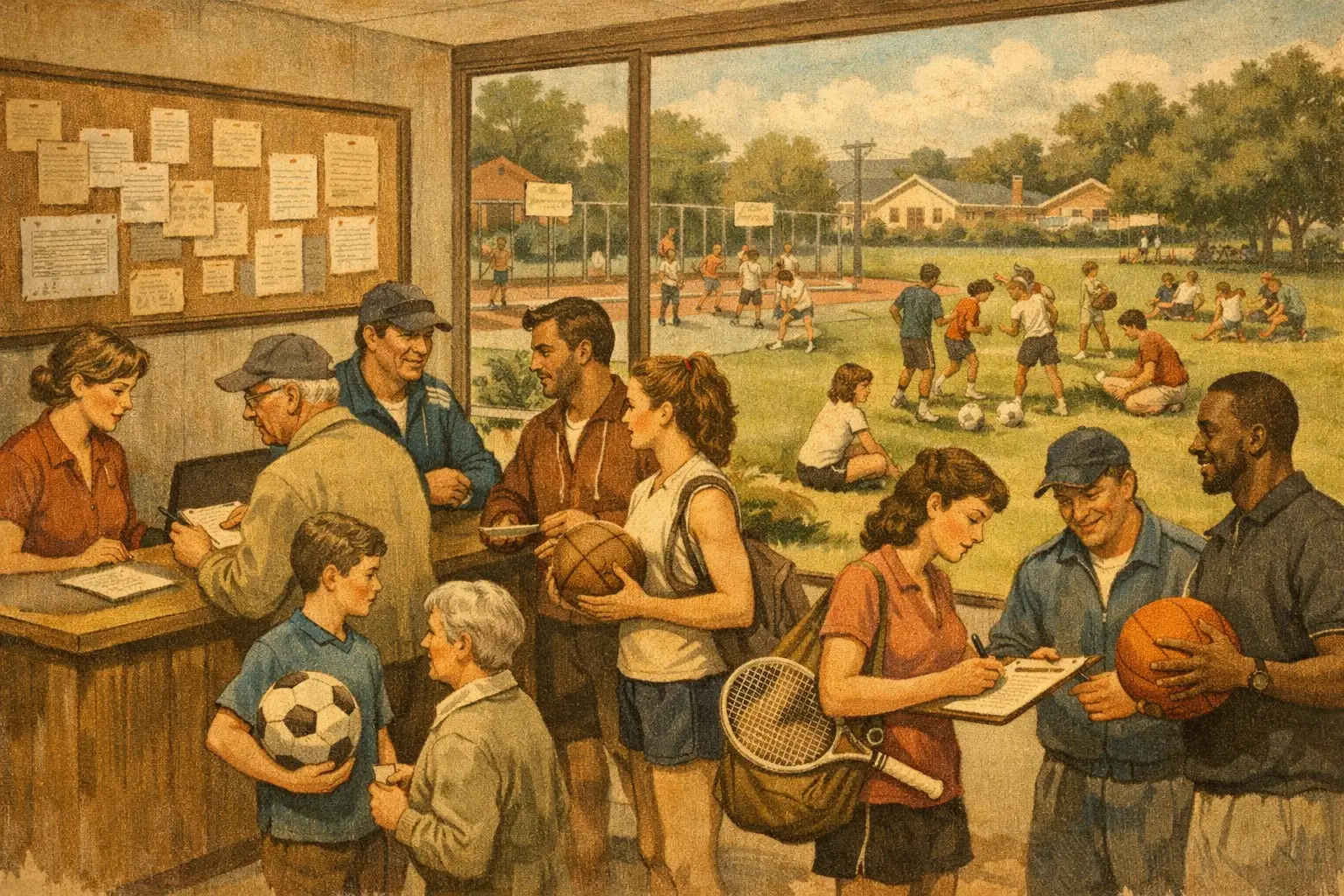
That feeling of wanting to play more, but not knowing who to message or where to go, is exactly why people search for a local sports community where to start. You may already own the boots, racquet or trainers. The difficult bit is turning spare time into an actual game with people who show up.
The answer is not to wait until you are fitter, more confident or somehow “good enough”. Start with one sport, one nearby venue and one low-pressure session. A sports community becomes real when you recognise names, get invited back and put the next game in the diary before the last one is forgotten.
Start your local sports community with one clear goal
Avoid the temptation to join five groups, follow ten clubs and promise yourself you will play every sport under the sun. Variety is brilliant later. At the start, it can make it harder to build momentum.
Pick the reason you want to play. Perhaps you want a regular five-a-side match after work, a tennis partner at weekends, a way to meet people after moving area, or a competitive target that gets you training. Your goal changes the kind of community that will suit you.
If you are returning after a break, look for social or mixed-ability sessions. If you want competition, seek organised teams, ladders and leagues. If you are sports-curious, a pickup event is usually the best entry point: turn up, play, meet people and decide whether you want to do it again.
Consistency beats intensity here. A game every Tuesday is more likely to create friendships, fitness and progress than a heroic month followed by silence.
Find the places where players already gather
A community needs a home base. That might be a leisure centre, park court, university facility, climbing wall, village hall, martial arts gym or football pitch. Search locally, but do more than check the timetable. Look for signs that real people return there: regular sessions, club notices, busy evenings and staff who know which groups welcome newcomers.
For outdoor sports, visit at the time you would realistically play. A basketball court on a sunny Saturday may look perfect, but the useful question is whether it has players on a rainy Wednesday evening when you finish work. The best venue is not always the fanciest one. It is the one you can reach easily enough to make playing part of your routine.
Travelling can be a shortcut too. If you are away for work, visiting friends or studying in a new city, a local game gives you something better than another evening in a hotel or flat. Choose a session with a clear start time, a stated level and enough detail to know what to bring.
Join a game before trying to build everything yourself
Many people assume they need a big friendship group before they can play regularly. In practice, joining an existing game is usually faster. The organiser has already solved the hard parts: venue, time, numbers and basic expectations.
When you join, be specific. Confirm that you are coming, arrive a little early, bring the right kit and tell the host if you need to drop out. Reliability is social currency in community sport. A player with average skills who communicates well will get invited back far more often than a talented no-show.
Do not worry if everyone seems to know each other at first. Most established groups started with two or three people asking if anyone else fancied a game. Introduce yourself, ask how often they play and, after the session, say plainly that you would like to join again. That small move prevents the familiar post-game problem: everyone enjoys it, then nobody makes the next plan.
Choose the right level, not the most impressive one
A good first session should leave you energised, not embarrassed or injured. Look for descriptions such as beginner-friendly, casual, social, mixed ability or all welcome. They are not code for a lack of standards. They usually mean people care more about a fair, enjoyable game than showing off.
There is a trade-off. A very relaxed session may not satisfy someone chasing serious competition, while a highly competitive league can feel intimidating if you have not played for years. Start where you can contribute, then step up once your confidence and fitness catch up.
Create the game you wish you could find
If nothing nearby matches your schedule, create a simple event. Do not begin with a grand plan for a 40-person league. Start with a date, a venue, a sport and the number of players needed. “Wednesday, 7pm, six-a-side, all levels welcome” gives people something they can actually commit to.
Make the first few sessions easy to understand. Set out the cost, how teams will be picked, what happens if weather changes the plan and whether players need to bring equipment. Clear details make newcomers feel welcome and protect organisers from last-minute confusion.
The strongest groups are built around a dependable rhythm. A weekly court booking or fortnightly kickabout lets people form a habit. Once attendance is steady, add the fun stuff: a group name, friendly rivalries, seasonal tables or a post-match drink. Community comes from repeated shared moments, not a clever logo.
If numbers are inconsistent, keep the format flexible. Small-sided football, doubles tennis, shooting drills, casual runs and skill sessions can still work with a few people. Cancelling every time you are short of a full squad teaches people not to commit. Playing a modified version keeps the habit alive.
Use competition to bring people together, not shut them out
A little competition gives a group energy. Challenges, player ratings, goals, trophies and personal stats give people a reason to return and see whether they have improved. They also create conversation before and after the game.
But the rules of the community matter more than the scoreboard. New players should know whether it is winner stays on, whether substitutes get equal time and how disputes are handled. Encourage effort, fair play and good communication. Nobody expects every match to be perfect; everyone notices whether the atmosphere stays respectful when it gets close.
For regulars who want more structure, move from one-off games into teams and leagues. That is where commitment becomes collective. A team gives players a shared identity and a reason to practise, while a league gives each fixture meaning. Keep a social route into the group as well, so the next newcomer is not forced to jump straight into a high-stakes match.
Make belonging visible
The difference between a sports listing and a sports community is follow-up. After a session, thank people for coming, share the plan for next time and recognise the moments that made the game good. That could be a great save, a first try at a new sport, a close finish or someone stepping in when numbers were low.
This is also where digital tools should earn their place. Crewters brings venues, pickup events, direct challenges, teams, leagues, stats and achievements into one all-sports network, so the energy of a game does not disappear into scattered chats. You can find your crew, record progress and help shape what the platform builds next.
Ratings and reviews can be useful when they reward good sportsmanship, reliability and a welcoming attitude, not just goals scored. Live streams can make an event feel bigger and give absent friends a reason to join next time. Used well, these features add recognition without turning every casual game into a trial.
Be the person who keeps the door open
Every thriving group has someone who remembers the new person’s name, explains the format and asks whether they are free next week. You do not need to be the best player or the official organiser to do that.
Invite one person. Offer a spare bib. Share a court. Send the next event before people drift away. Those small actions are how a local sports scene grows from a handful of players into a crew people genuinely rely on.
Your first game does not need to be flawless. It just needs a time, a place and enough people willing to turn up. Put the next session on the calendar, then give someone else a reason to join you.