
How to Rate Players Fairly After a Game
November 12, 2026 · Chris Palmer
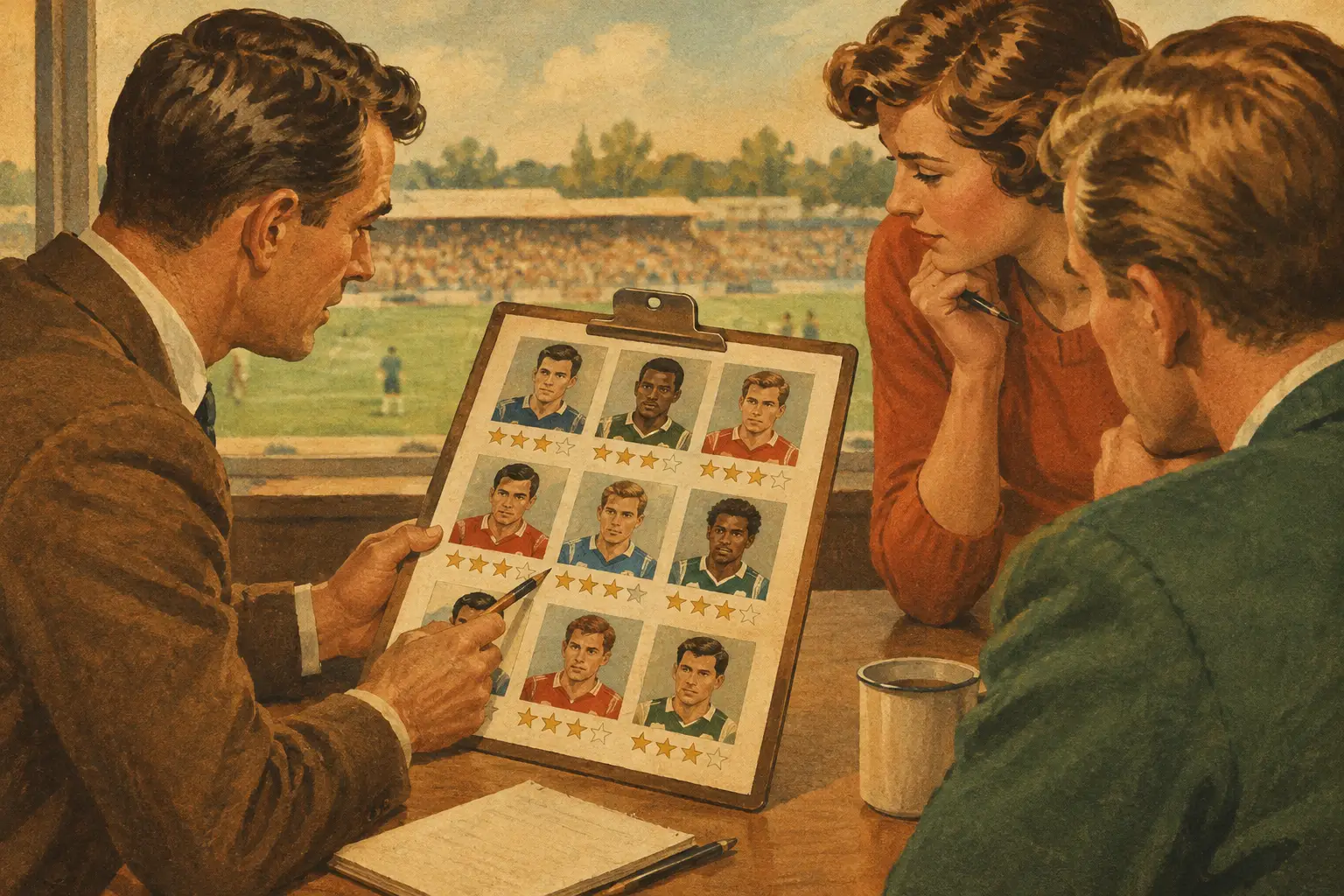
A player misses the final shot, their team loses, and suddenly a solid 45-minute performance gets remembered as a failure. That is exactly why learning how to rate players fairly matters. Post-game ratings shape who people want to play with, who gets picked for teams, and whether a new player feels welcome enough to return next week.
A fair rating is not a verdict on whether someone is brilliant at sport. It is a useful signal for the next game. It should help your community find reliable teammates, build balanced sides and reward the behaviours that make organised play worth showing up for.
Ratings should reflect the whole game
The easiest mistake is rating only the moments that made you cheer or swear. In five-a-side football, that might be the striker who scored twice but never tracked back. In basketball, it could be the player who hit difficult shots but ignored every open teammate. In tennis, it may be someone with a powerful serve who called every close line ball in their own favour.
Skill matters. So does the context around it.
A player who is new to the sport may have a lower technical level than everyone else, but still arrive early, listen, communicate and keep trying. Another player may be highly skilled yet make the session worse through selfish play, late cancellations or poor conduct. If ratings only reward talent, communities become less open and less enjoyable very quickly.
Think of your rating as a record of the experience they created for the people around them. Would you happily play with this person again? Would you trust them in a close match? Would you recommend them to a team organiser trying to fill a space? Those questions usually produce a more useful answer than the final score.
How to rate players fairly with clear criteria
Fairness starts before anyone taps a number. Players need a shared idea of what that number means. A five out of five should not mean “my mate” or “we won”. A low score should not simply mean “they made mistakes”. Agreeing on the same broad criteria makes ratings more consistent across sports, ability levels and groups.
Judge performance in context
Rate the level of contribution, not whether someone played like a professional. A beginner joining their first pickup session should be assessed against the demands of that game and their visible effort to take part, not against the most experienced player on court.
Context includes position, role and opportunity. A defender who stops attacks, communicates well and makes sensible passes may contribute as much as the player scoring goals. A substitute who gets ten minutes cannot be judged in the same way as someone who played the full game. If someone was carrying an injury, stepped into an unfamiliar position or joined a much stronger group, factor that in too.
This is not about handing out sympathy points. It is about measuring what actually happened.
Separate skill from reliability
Technical ability and reliability are different signals. One player might be excellent but regularly arrive late. Another may be less polished but always confirms, turns up prepared and helps get the game started. Both pieces of information matter when people are deciding who to invite.
When the system allows for more than one rating category, keep them separate. If it uses a single score, balance them in your head. Consistent attendance, clear communication and respect for the organiser should move a rating upwards. No-shows, repeated late cancellations and leaving without helping resolve a problem should move it downwards.
Do not punish a genuine emergency. People have work, trains get cancelled and life happens. Look for patterns rather than treating one awkward week as a permanent label.
Reward team play, not just highlights
The player who makes the simple pass, covers a teammate and encourages a newcomer may never produce the clip everyone shares afterwards. They still make the match better.
Look for awareness: did they involve others, make sensible decisions and adapt when the game needed something different? In individual sports, team play can mean warming up properly with an opponent, keeping score honestly, returning balls constructively or respecting the pace of a social session.
Competitive does not have to mean selfish. The best players raise the level around them.
Make sporting behaviour non-negotiable
Respect should carry real weight in every rating. That means respecting opponents, teammates, officials, venue staff and the basic rules agreed by the group. It also means no intimidation, abusive language, reckless challenges or attempts to embarrass someone for being less experienced.
A competitive edge is welcome. Arguing every decision, blaming others and turning a casual game hostile is not. If a player’s behaviour makes others reluctant to return, that is relevant even if they are the strongest athlete there.
Use the same scale every time
Ratings become meaningless when every player receives top marks after every game, or when people only rate after a loss. A simple mental scale keeps your feedback honest:
- Excellent: Strong contribution, reliable attitude and a clear positive effect on the match.
- Good: Played well overall, contributed to the group and would be easy to invite again.
- Fair: Mixed performance or limited impact, with no serious concerns.
- Needs improvement: Repeated behaviour, reliability or conduct issues affected the experience.
The middle rating should be normal, not an insult. Most players will have ordinary games. A fair scale leaves room for people to improve, have an off night and earn recognition when they genuinely stand out.
If your group uses numbers, resist the urge to overthink tiny differences. There is rarely a meaningful distinction between, say, 7.3 and 7.5 after a casual match. Use broad judgement and save detailed feedback for a comment or conversation when it can genuinely help.
Avoid the rating traps that damage a community
The biggest trap is the result bias: rating everyone on the winning side highly and everyone on the losing side poorly. Matches are rarely that simple. A losing goalkeeper might have had an outstanding game, while someone on the winning team may have made little contribution beyond being on the right side of a strong squad.
Friendship bias is just as common. Giving friends automatic top ratings feels harmless until new players see that the same small group always rewards itself. Ratings should make a community more open, not recreate the school playground pecking order.
Then there is retaliation. Someone gives you a lower score, so you return one. This makes ratings a popularity contest and hides the information organisers and players actually need. Rate the game you watched, not the score you received.
Finally, do not rate in the heat of a disagreement. If a moment leaves you frustrated, wait until you have cooled off. Ask whether it was a one-off mistake, a misunderstanding of the rules or a repeated pattern. A calmer rating is nearly always a fairer one.
Give feedback people can use
A number alone can feel mysterious. When feedback is available, make it specific, brief and focused on behaviour. “Great energy and smart passing, but please confirm earlier if you cannot make the next game” is useful. “Terrible player” is not.
Keep feedback private where possible and never turn it into a public pile-on. The goal is better games, not scoring points after the whistle. If there is serious misconduct, use the appropriate reporting route rather than trying to manage a safety issue through a low rating.
Positive feedback deserves the same care. Call out the player who welcomed a first-timer, volunteered to balance teams or stayed behind to help pack away. Those actions build the kind of sporting culture people want to join.
Build ratings into better games
A good rating system should lead somewhere practical. It can help organisers create balanced teams, help players choose sessions at the right level and help reliable people build a reputation across different sports. It should never become a locked door that prevents newcomers from getting a game.
That balance is central to the kind of community Crewters is building: competitive enough to make progress visible, open enough for someone to join their first pickup match without feeling judged before they play. Stats, goals and achievements are more motivating when the social side of sport stays fair too.
If you organise games, set the tone yourself. Explain what you value, welcome honest feedback and act consistently when repeated issues arise. If you are a player, rate promptly while the match is fresh, then move on. Do not let one missed chance define someone’s reputation.
The best rating is one that makes the next session better: a clearer match-up, a more dependable squad, a newcomer who feels encouraged to return, and a crew that knows competitive sport can still be generous.