
How to Organise a Casual Sports Game in Islington
September 23, 2026 · Chris Palmer
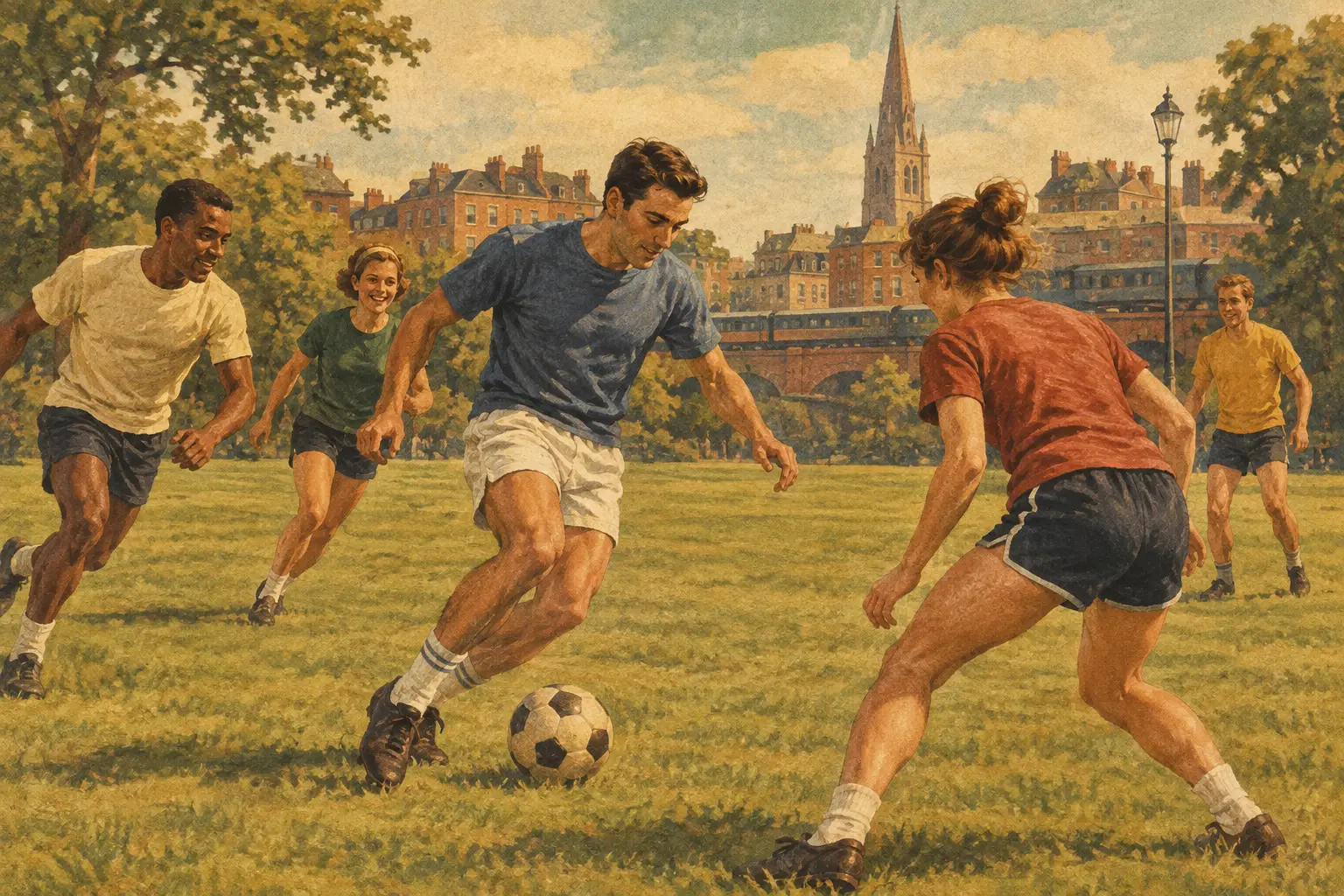
A good casual game should feel easy to join, not like a second job. That is the real challenge when learning how to organise a casual sports game in Islington: getting enough people, finding a workable space and making sure the session is welcoming without becoming chaotic.
Islington has the ingredients for a strong regular game. There are busy professionals looking to switch off after work, students keen to meet people beyond their course, and plenty of players who want competition without committing to a full league season. Your job is to turn that loose demand into a reliable hour of sport.
Start with a game people can say yes to
The fastest way to lose momentum is to begin with an overcomplicated idea. A weekly five-a-side match, a half-court basketball run, a social tennis hit or a casual badminton session is easy to understand. People should know the sport, time, location, cost and expected level in seconds.
Choose one clear format before inviting anyone. For football, decide whether it is five-a-side, six-a-side or a larger outdoor game. For basketball, say whether you are running full court, half court or a shooting session. For tennis or padel-style social play, explain whether players rotate partners or arrive with one. The format affects how many players you need, the price per person and how forgiving the session is when somebody drops out.
Keep the first game deliberately simple. You can add standings, trophies, challenges and a league table once a core group exists. At the start, the win is getting people playing again next week.
Pick a time that respects real routines
Weekday evenings are often the safest option for casual games, especially around 6.30pm to 8.30pm. It gives people time to travel from work without pushing the finish so late that it becomes a barrier. Weekend mornings can work brilliantly for players with more flexible schedules, but they compete with errands, family plans and a well-earned lie-in.
There is no universally perfect slot. A group of students may prefer a weekday afternoon, while people working in central London may only manage later evenings. Ask your first few players what they can genuinely sustain, rather than choosing a time that looks good on paper.
Consistency matters more than perfection. A game held every Tuesday at the same time builds a habit. A session that moves around each week makes people hesitate before committing.
Find a venue before you recruit the whole borough
Islington gives you access to outdoor courts, pitches, community facilities and school or leisure-centre spaces, but availability can change quickly. Before announcing a game, check the booking process, lighting, changing facilities, surface, cancellation policy and whether equipment is included.
For a first session, favour a venue that is straightforward to reach by public transport and simple to locate. A slightly smaller court near a station can be a better choice than a brilliant facility that requires a complicated journey. Players who are new to the group are already taking a social leap. Do not make the logistics harder than they need to be.
Cost needs to be transparent from day one. If a pitch costs £60 and you need 10 players, say it is £6 each. If you are covering a ball, bibs or a last-minute reserve fund, explain that too. Nobody minds a fair contribution. People do mind being surprised after the game.
You should also have a weather plan for outdoor sport. Decide in advance who makes the call, when that decision happens and what counts as unplayable conditions. A message at lunchtime is far more useful than silence until kick-off.
Set the standard before the first whistle
Casual does not mean rule-free. In fact, clear basics make a game feel more relaxed because nobody has to guess what is acceptable.
State the level honestly. “All abilities welcome” is a great invitation if you mean it, but it helps to describe the pace as well: beginner-friendly, recreational, intermediate or competitive but respectful. The wrong mix can make newcomers feel out of place and stronger players feel frustrated. If your group spans a wide range, use rotating teams, smaller-sided games or a handicap system to keep matches competitive.
Agree a few ground rules in the event description: arrive 10 minutes early, bring suitable footwear and water, let the organiser know early if plans change, and keep tackles or contact appropriate to the format. For football, that may mean no sliding tackles. For basketball, it might mean calling your own fouls without an argument. For every sport, it means treating officials, opponents and beginners properly.
The organiser sets the tone. If you welcome people by name, mix teams fairly and deal with awkward moments calmly, players will do the same. That is how a one-off run becomes a community.
How to organise a casual sports game in Islington without no-shows
No-shows are the tax on pickup sport. You can reduce them, but do not expect to eliminate them entirely. The answer is not to nag everyone. It is to create a system where committing feels real and dropping out early is easy.
Set a player limit and a waiting list. A football game needing 10 players should not be advertised as “the more the merrier”; it should be listed as 10 places, with reserves ready if someone withdraws. Once the session reaches capacity, send a short confirmation message the day before. Ask anyone who can no longer attend to release their place immediately.
A small upfront payment can help where venue hire is involved, particularly for a new group. It protects everyone else from carrying the cost of absent players. But there is a trade-off: payment can discourage curious newcomers who are unsure about joining strangers. For low-cost sessions, a clear cancellation cut-off may be enough. For pricier pitch bookings, payment in advance is usually kinder to the committed players.
Build your first group from people who are likely to return, not just people who click interested. Invite friends, colleagues, neighbours and people you have played with before. Then encourage each person to bring one reliable player. A group with eight regulars is more valuable than a chat with 80 silent members.
Make joining feel low-pressure
Established sports groups can be intimidating, particularly for someone returning after injury, moving to London or trying a sport for the first time. Your event copy should remove that uncertainty.
Say what to bring, where to meet and whether changing rooms are available. Mention whether players will be placed into teams on arrival. If some people already know one another, make a point of mixing the sides rather than creating a closed circle of mates versus everyone else.
It also helps to nominate a friendly first point of contact. That can be you, but it does not have to be. Ask a regular to welcome new players, show them the court or pitch, and introduce them to two or three others. It takes less than a minute and changes the whole experience.
Crewters is built for this kind of momentum: use a sports community space to create a pickup event, fill places, find your crew and keep track of the games people want to play next. The useful part is not just posting an invite. It is building a visible rhythm that gives players a reason to come back, challenge each other and shape the next session.
Give the game a reason to continue
After the final whistle, do not let the group disappear into separate journeys home. Send a short follow-up while the game is still fresh: thank people for coming, share the date of the next session and ask one focused question. Would they prefer an earlier start? Was the level right? Should the group run two courts next time?
Avoid asking for ten pieces of feedback at once. You are trying to learn what would make the next game easier to join and better to play. Small changes matter. A 30-minute earlier start, clearer directions or a slightly longer booking can turn a decent session into a regular fixture.
As numbers grow, add light competition carefully. Player-voted standout performances, a monthly ladder, team names or a friendly challenge can create energy. Keep it inclusive. The goal is to reward participation and improvement, not to turn a casual run into a closed shop for the same strongest players.
The best local sports games are not built by finding the perfect pitch or writing the perfect group message. They are built by showing up, making the next session clear and giving people a place where they are expected. Set the first date, make it easy to join, and let the crew help decide what it becomes.