
How to Meet New People Through Sport in Islington
September 9, 2026 · Chris Palmer
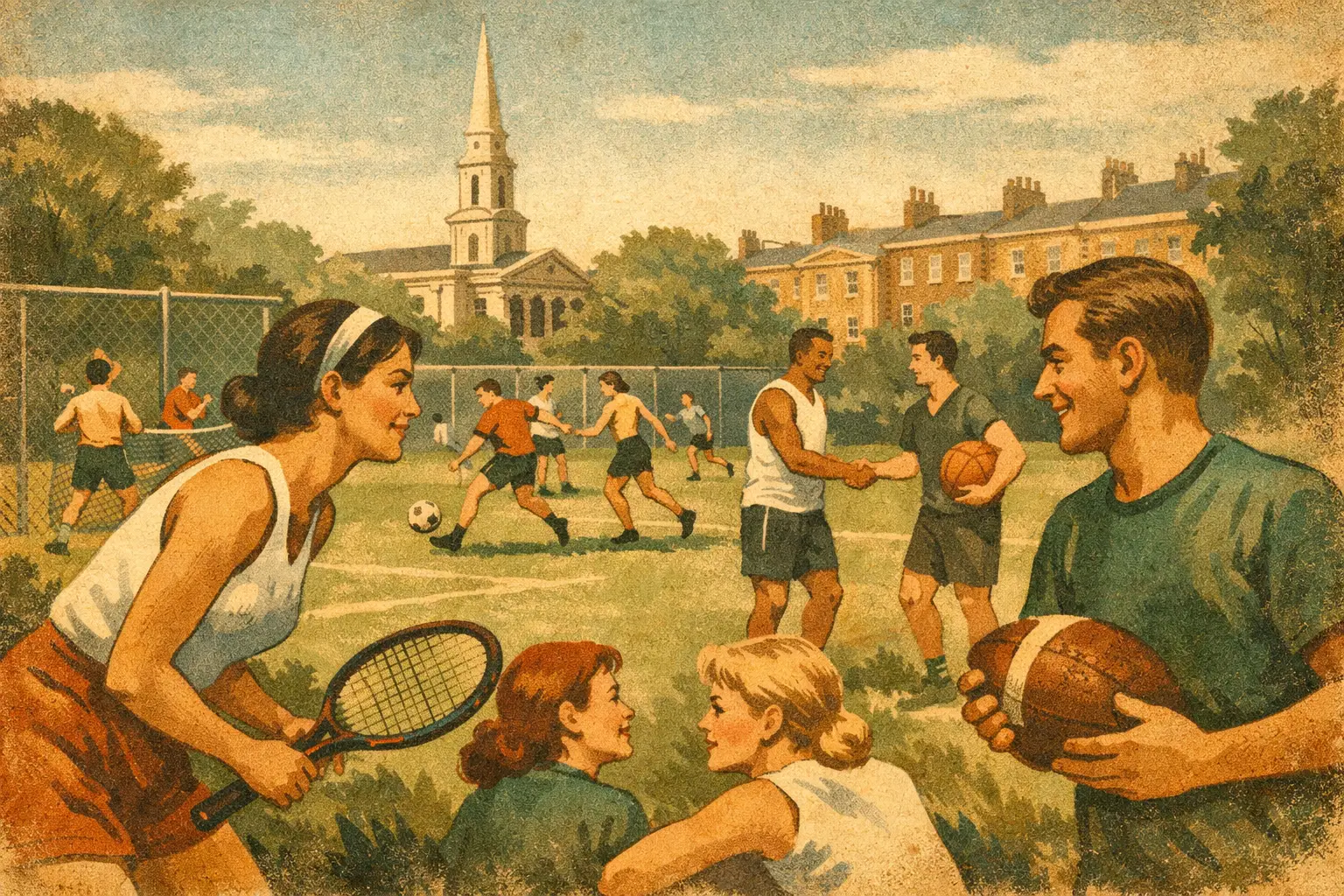
A good game changes the shape of a week. You arrive knowing nobody, spend an hour chasing a ball, trading points or figuring out a new drill, and leave with names in your phone and a reason to come back. That is the real answer to how to meet new people through sport in Islington: do not wait for a perfectly organised social life. Put yourself in repeatable, low-pressure sporting situations where conversation has somewhere to go.
Islington is especially good for it. There are busy parks, leisure centres, courts, studios and clubs within a short trip of one another, plus plenty of students, professionals and long-time locals looking for a regular game. The challenge is not whether people are out there. It is finding the right level, showing up consistently and turning a one-off session into a crew.
Start with the sport you will actually return to
The best sport for meeting people is rarely the one that looks most impressive on paper. It is the one you enjoy enough to attend when the weather is grey, work ran late or you are feeling slightly awkward about arriving alone.
Team sports such as football, basketball, netball and hockey create conversation quickly because you have to communicate from the first whistle. Racket sports work brilliantly too, particularly if you prefer meeting one or two people at a time. Running groups, climbing sessions, martial arts and dance classes can be more welcoming for beginners because everyone follows the same structure and progress is easy to see.
Choose based on the kind of social energy you want. A competitive five-a-side match can create instant banter, but it may not suit someone returning after years away. A coached class gives you more guidance and a natural chance to speak before and after, though it can take longer to build deeper connections. There is no single right route. The key is a setting where your ability level will not stop you from enjoying yourself.
Find pickup sessions before committing to a league
Leagues are brilliant once you have found your rhythm, but pickup sport is often the easier first move. You can join one session, gauge the pace and meet players without signing up for a full season. It removes the pressure of arriving as the unknown new teammate who has committed before they know whether the group is a fit.
Look for open games at local courts, pitches and sports centres, then be clear about what you want when you join. Say you are keen for a friendly game, returning to the sport or looking for a regular group. Most players appreciate the honesty. It helps organisers put together balanced sides and means you are more likely to find people who want the same thing.
If you cannot see a game that works, create one. A simple post with the sport, venue area, start time, expected level and number of players needed is enough. A Tuesday evening basketball run or a Sunday morning casual football game gives others a concrete invitation, not a vague promise to "play sometime". Being the person who gets the session moving is one of the fastest ways to become part of the local sporting community.
Crewters is built around that moment: discover places to play, join or create pickup events, challenge players directly and turn familiar faces into a team when the group is ready.
How to meet new people through sport in Islington without forcing it
The first ten minutes matter more than trying to be the star player. Arrive a little early, introduce yourself to the organiser and ask a useful question: "How long has this group been running?" or "Do people usually stay for another game?" These questions are easy to answer and reveal the social habits of the group.
During play, make connection part of being a good teammate. Call names if you know them, congratulate effort, apologise quickly for mistakes and keep the mood constructive. You do not need a polished performance. Reliable energy is more memorable than a spectacular goal followed by silence.
After the session, stay for five or ten minutes rather than leaving the second it ends. That is when fixtures get mentioned, teams need substitutes and plans for a coffee or a post-game drink emerge. If everyone scatters straight away, take the initiative: ask whether the group plays weekly, or say you would be up for the next one. A small, specific ask is far easier for people to accept than trying to manufacture instant friendship.
Build familiarity, not just contacts
Meeting someone once is easy. Seeing them often enough that you know their position, their favourite team and whether they prefer a competitive or social game is what makes sport genuinely social.
Give a new group three sessions before deciding it is not for you, unless the atmosphere is clearly unwelcoming or unsafe. The first session is usually about learning names and pace. By the second, people recognise you. By the third, you are part of the rotation. Consistency also gives you a reputation: the player who turns up, brings good energy and makes the game better.
Pick one regular slot and protect it where possible. Thursday evening tennis, Saturday morning parkrun or a midweek football game becomes a social anchor. You will still meet different people through occasional events, but routines are where friendships get room to grow.
It also helps to swap practical details rather than making the interaction overly serious. Ask to be added to the group chat, offer to cover a future session if numbers are short, or suggest a rematch. Sport supplies the reason to stay in touch. The friendship can develop at its own pace.
Make competition welcoming for every level
Competition is a powerful social glue, but only when the match feels fair. New players can be put off by cliques, mismatched sides or experienced players treating a casual session like a cup final. If you are joining, look for organisers who set expectations on ability, lateness and behaviour. If you are hosting, make those expectations visible from the start.
Balanced teams matter. So does recognising the small wins: a first completed 5K, a clean rally, a brave tackle, a personal best or simply turning up after a difficult week. Stats, goals and achievements can make progress feel real, especially for people who are new to a sport, but they should add motivation rather than create a hierarchy.
Once your group has a dependable core, a friendly challenge or short league can give it momentum. Teams create shared identity, and a fixture in the calendar makes people more likely to show up. Keep the pathway open, though. The strongest local crews are competitive enough to care and relaxed enough to welcome the next person through the gate.
Try a second sport to widen your circle
There is a trade-off between going deep in one sport and widening your network. Your main weekly activity builds stronger relationships. A second, more casual activity introduces you to people outside the same circle and keeps sport from becoming repetitive.
You might play football regularly but join an occasional climbing session, try a social badminton game or take part in a beginner-friendly boxing class. The crossover is useful: someone who knows you from one activity may invite you to another, and suddenly Islington feels less like a set of separate venues and more like a connected community.
Do not overbook yourself. Two sustainable sessions a week beat five ambitious plans that disappear after a fortnight. Leave enough space to recover, keep work and family commitments manageable, and genuinely enjoy the people you are meeting.
Be the teammate people want to invite back
You do not need to be loud, elite or already surrounded by friends. Be dependable. Confirm when you are coming, give notice if plans change, pay your share promptly and welcome newcomers when you are no longer the newest face.
That final part matters. Every established group can feel intimidating from the outside. Introduce a newcomer to one other person, explain how the session works and include them in the next conversation. It is a small act, but it is how a game becomes a community.
Your next friendship in Islington may start with a missed pass, an awkward serve or a last-minute call for one more player. Say yes, bring your trainers and show up again. The sport gets you in the room. What you build with the people there is the part worth returning for.