
How to Host Weekend Fixtures Without the Chaos
October 16, 2026 · Chris Palmer
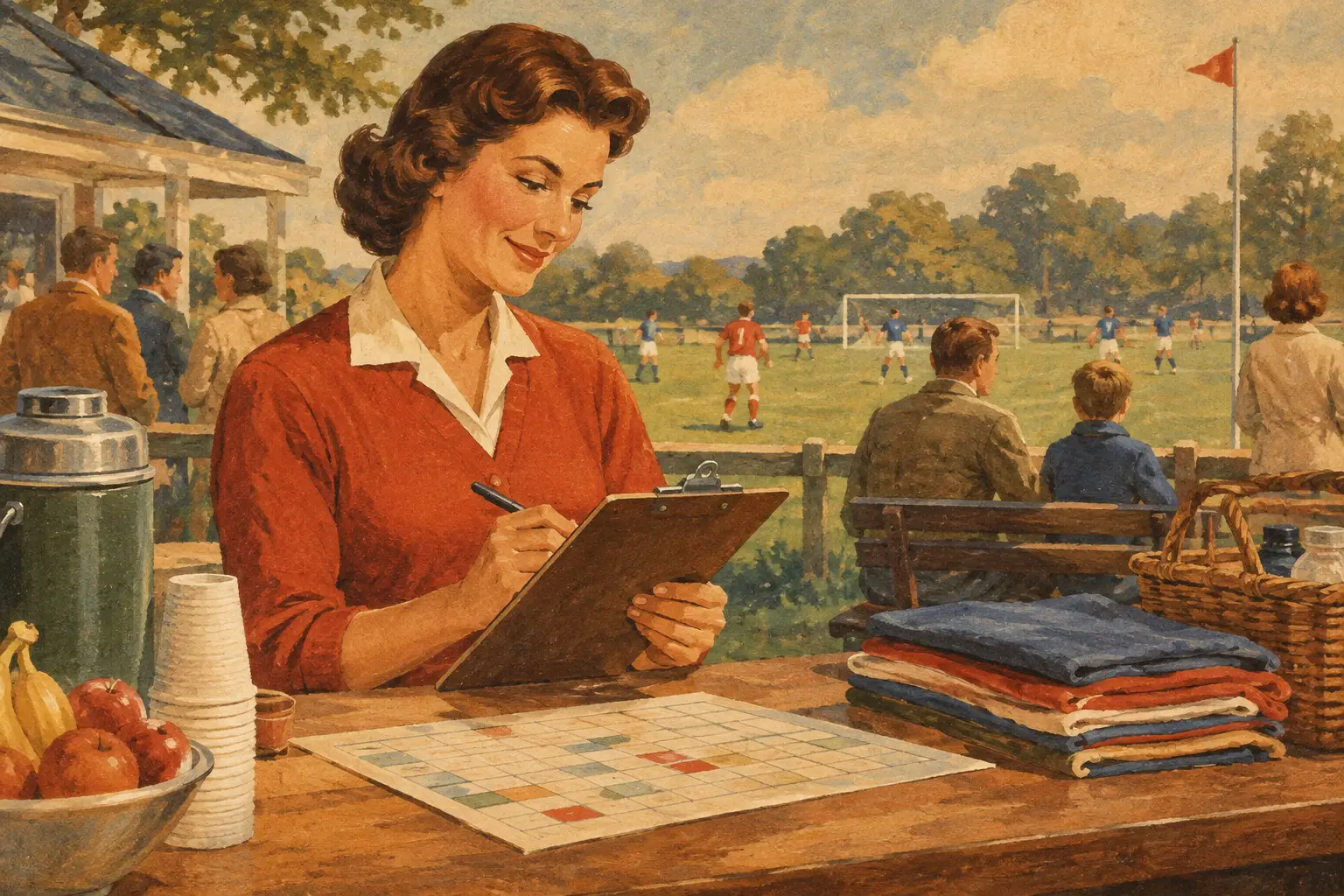
A Saturday fixture can fall apart before anyone laces up. One player assumes it is a 10am start, another cannot find the entrance, two drop out after the teams are set, and the group chat becomes a stream of question marks. Knowing how to host weekend fixtures is less about sending an invite and more about creating a reliable ritual people want to protect.
Whether you are putting on five-a-side football, a basketball run, tennis doubles or a mixed-sport community session, the aim is the same: make it easy to turn up, fair to play and worth returning for.
Start with a fixture people can actually commit to
The best weekend fixtures are specific. “Game on Saturday?” creates interest, but it does not create attendance. Give players a fixed date, start and finish time, venue, sport, format, price and expected level. If you are running a football fixture, say whether it is 5v5, 7v7 or 11-a-side. For a basketball session, explain whether you are running full-court games, half-court winners stay on, or a structured match.
A clear fixture also needs a clear commitment point. Ask players to confirm by a deadline, particularly if the venue has a cancellation policy or you need even numbers. A casual event can still have standards. When people know their place may go to the next player on the list, they are more likely to reply rather than vanish.
Timing depends on your crew. Students may prefer late morning after Friday night; parents might need an early kick-off; shift workers can make Sunday afternoon the stronger option. Do not guess forever. Run two or three time slots over several weeks, track turnout, then build a repeatable slot around the evidence.
Book the venue before you build the hype
A brilliant turnout means little if the court is double-booked or the changing rooms are locked. Confirm the basics with the venue: the exact pitch or court, arrival instructions, lighting, equipment included, payment terms and who to contact if something goes wrong.
For outdoor fixtures in the UK, weather needs a plan too. Check whether the venue inspects surfaces after heavy rain, when it makes a cancellation call, and whether players receive a credit or refund. You do not need to control the weather. You do need to communicate quickly when it changes the session.
Think about the experience around the playing area. Is there parking or a nearby station? Can new players find the entrance? Are toilets available? Is the venue welcoming to beginners, spectators and younger players where relevant? Small details decide whether a first-timer comes back next weekend.
How to host weekend fixtures with the right numbers
Numbers are where organisers either earn trust or lose it. Set a target squad size, then account for normal drop-outs. For a 10-player game, it may be sensible to confirm 12 players and explain that two are substitutes, rather than hoping every yes becomes a show-up.
Avoid treating substitutes as an afterthought. Tell them their position clearly, give them priority for the next fixture if they do not get on, and use them for rolling changes if the format allows. A substitute who feels respected can become one of your most dependable regulars. Someone who travels across town only to sit out without warning probably will not.
If the session has more demand than places, keep a simple waitlist. Release any unclaimed spaces at a stated time. If demand stays high, do not just make the existing fixture bigger and messier. Add a second time slot, open another court, or create separate social and competitive sessions. More games are better than 18 people waiting around for one.
Make the welcome as strong as the competition
People join local sport for different reasons. Some want a serious test. Others want to get moving after a week at a desk, meet people or learn without being embarrassed. You do not have to make every fixture identical, but you should make its expectation obvious.
Describe the level honestly. “All abilities” works when the format supports it, such as balanced rolling games or a social round robin. It is less convincing when experienced players are chasing a league-style result and beginners barely touch the ball. If your group includes a wide range of ability, use captains to balance teams, rotate positions and avoid stacking friends together.
Your first five minutes set the culture. Welcome new faces, introduce captains, explain the format and share any ground rules before the first whistle. A quick check-in is not ceremonial. It prevents arguments later and helps newcomers feel like participants rather than spare bodies.
For most community fixtures, agree these points in advance:
- how teams will be picked and whether players rotate
- what counts as a foul, point or disputed call
- whether tackles, contact or high-intensity play are appropriate
- how lateness, no-shows and substitutions will work
- the standard of behaviour expected from everyone
Keep the rules proportionate to the sport and group. A Sunday pickup game does not need a referee’s handbook, but it does need a shared line on safety, respect and playing fairly.
Give the organiser a job during the game
Hosting is not the same as trying to be the best player on the pitch. Once the fixture starts, your role is to protect flow. Start close to the advertised time, even if one or two people are late. Keep an eye on balanced teams, make substitutions promptly and step in early if a disagreement is becoming personal.
That does not mean policing every moment. Players should be trusted to compete. But the organiser has to make the difficult call when someone is repeatedly reckless, abusive or refusing to include others. A great fixture is competitive because everyone believes it is fair, not because the loudest player gets their way.
If you are also playing, ask a reliable regular to help. One person can track scores while another handles late arrivals or team changes. Shared responsibility makes hosting less draining and gives the group a stronger sense that it belongs to all of you.
Turn one fixture into a weekly habit
The final whistle is where most organisers leave momentum on the floor. Confirm the score, thank players for turning up and share what happens next while the session is still fresh. If the game was tight, call it out. If a newcomer had a strong debut, recognise it. A little visibility makes people feel their effort counted.
For more competitive groups, record results, goals, wins or player-of-the-match votes consistently. Stats can motivate people, but only when they are trusted. Keep the system simple enough to maintain every week. A half-finished leaderboard creates more frustration than no leaderboard at all.
Crewters can help organisers bring events, teams, challenges, player ratings and progression into one sports community, rather than letting every weekend fixture disappear into a group chat. The useful part is not collecting data for its own sake. It is giving players a reason to return, improve and bring their crew.
Ask for feedback in a way that invites useful answers. Instead of “Was it good?”, ask whether the start time worked, whether teams felt balanced and what would make the next fixture easier to join. If players repeatedly request a different format, test it. The strongest local sports communities are built with players, not simply announced to them.
Be consistent, then make it bigger
Do not chase a massive turnout before you can deliver a good session for 10 people. A dependable fixture with clear communication, fair games and a welcoming culture will grow through the people already playing it. They will invite friends because they trust the experience, not because they saw a flashy poster.
Once the rhythm is there, add progression carefully. You might introduce a monthly mini-league, challenge another local team, run a themed tournament or create a beginner-friendly fixture alongside the main session. Each addition should solve a genuine demand, not add admin for the sake of looking organised.
The fixture people remember is rarely the one with the most complicated format. It is the one where they arrived knowing where to go, found a game that suited them, competed hard and left already thinking about next weekend.