
How to Find Sports Partners in Islington
September 15, 2026 · Chris Palmer
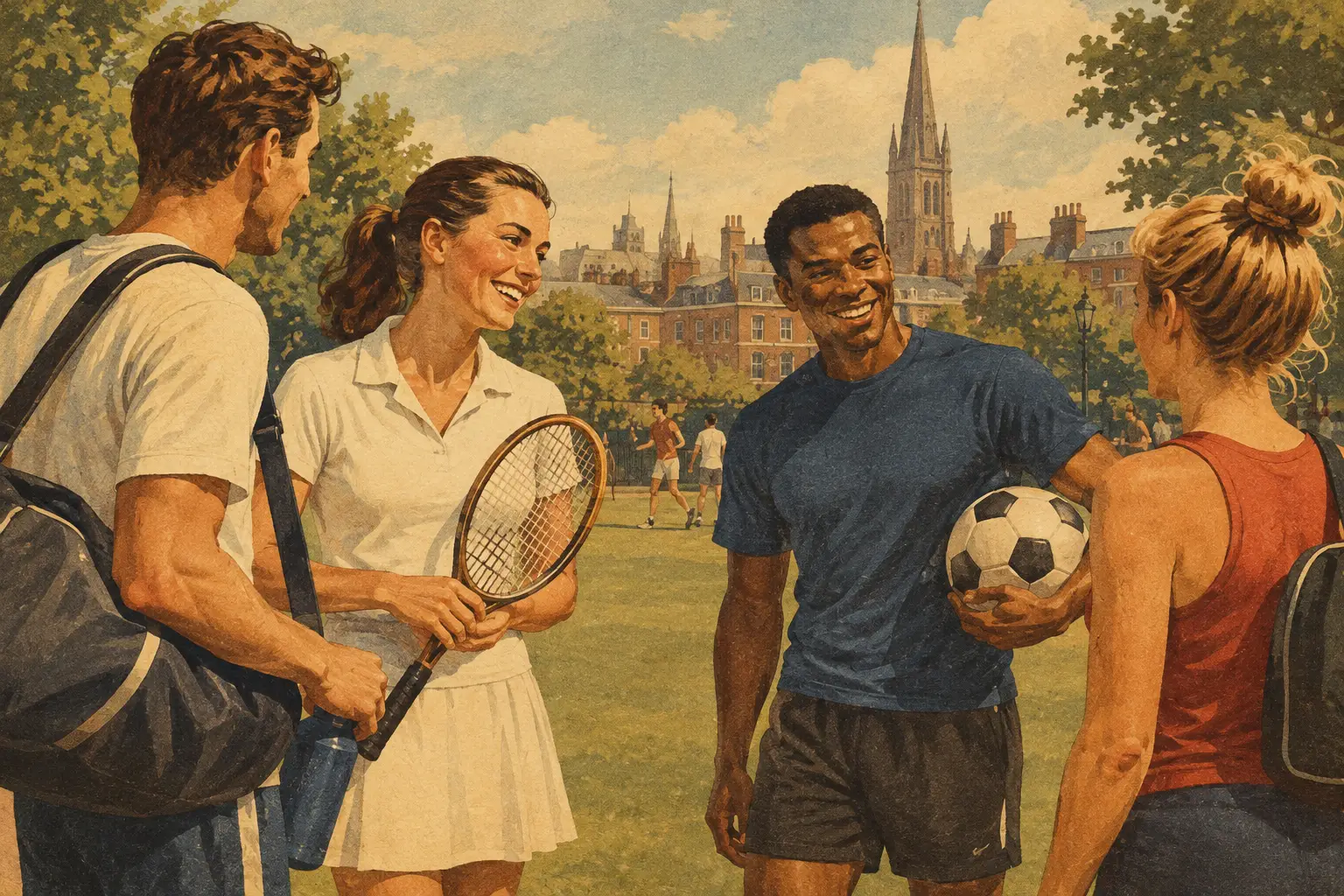
A free court, a pair of trainers and an hour after work should be enough to get a game going. In practice, the hard part is knowing who is up for it. If you are working out how to find sports partners in Islington, focus less on finding a huge group and more on creating repeatable chances to play with people at your level, nearby, at a time that actually works.
Islington has the right ingredients: parks, sports centres, busy after-work hours, students, flatmates, established clubs and plenty of people who mean to play more often. The opportunity is turning that intent into a confirmed session. Start small, be clear about the game you want, and give people a reason to come back.
How to find sports partners in Islington without the awkwardness
The quickest route is usually a sport-specific plan. Someone looking for a competitive five-a-side football match needs a different setup from a beginner looking for a tennis rally or a casual basketball shootaround. Be specific from the first message or event post: name the sport, location, start time, expected standard, cost if there is one, and whether it is relaxed or competitive.
“Anyone for football?” invites uncertainty. “Need three players for a friendly 5-a-side near Angel, Thursday at 7pm, mixed ability, £8 each” gives people enough information to say yes. Clarity filters out mismatches and makes new players feel safer joining.
Think about the commitment you are asking for, too. A one-off session is easy to fill but may not produce lasting partners. A weekly game builds familiarity and accountability, although it needs someone willing to organise it. If your aim is a regular crew, say so from day one.
Start where players already show up
Venues are useful because the people around them have already cleared the biggest hurdle: they want to play. Check noticeboards, ask reception staff whether they know of regular groups with spaces, and pay attention to the quieter moments before and after a session. A polite “Are you looking for another player next week?” can work better than trying to recruit a full team from scratch.
For outdoor sports, arrive early and stay for ten minutes afterwards. A basketball player practising shots alone may be happy to run drills. A group with an uneven number for tennis or football may need a reserve. Do not interrupt a game that is underway, but introduce yourself when it finishes and make a straightforward offer: you are local, you play regularly, and you would like to join or arrange the next one.
The trade-off is that venue-based introductions can be hit and miss. You may meet brilliant people, but you are relying on timing and confidence. Pair this approach with a digital way to keep the conversation moving after you have met.
Make your availability useful
Most games fail before they begin because availability is vague. “Some time this weekend” is not a plan. Choose two realistic windows each week and protect them as you would any other commitment. For example, Tuesday after 6.30pm and Sunday morning. Those windows become your reliable invitation to others.
This matters particularly for shift workers, parents, students and anyone whose schedule changes week to week. You do not need to promise every Tuesday forever. You do need to give potential partners a clear answer to: when can we actually play?
If you have friends who are interested but inconsistent, create a small reserve list rather than depending on one person. A football session might need ten players, while badminton or tennis only needs one reliable partner. Build according to your sport. A group of four to eight dependable people is often more valuable than a chat full of 80 names and last-minute dropouts.
Use pickup events to lower the barrier
Established clubs can be great, especially if you want coaching, fixtures and a structured season. But they are not the only answer. Pickup-style events work well when you are new to the area, returning after a break, testing a sport, or simply unwilling to commit to a whole league before meeting the people involved.
Create or join a session with a defined format. Set a sensible cap on player numbers, confirm the venue and share the level honestly. For mixed ability games, small rules can keep it enjoyable: rotate teams, avoid one-sided selections and make room for newcomers. Competitive does not have to mean closed off.
If you are organising, cancellation rules save frustration. Ask players to confirm earlier in the day, keep substitutes in mind, and post promptly if the plan changes. The organiser who communicates clearly earns trust. That trust is what turns a first game into a regular group.
Find people who want the same kind of game
Ability matters, but attitude usually matters more. A strong player who treats a casual session like a trial can put off everyone else. Equally, someone hoping to improve may find a purely social game frustrating. Describe the culture you want as well as the standard.
You might be after high-tempo football with scores tracked, friendly tennis rallies with coaching tips, a women-led running group, or a no-pressure introduction to volleyball. None is better than the other. The better the match, the more likely players are to return.
After a session, follow up while the energy is still there. Thank the group, suggest the next time, and ask what would improve the game. Maybe the court was too far away, the teams were uneven, or 7pm was too early. Listening is not admin. It is how a loose group becomes a community that people protect in their calendars.
Turn one game into a team
When the same people show up repeatedly, give the group a simple identity. It can be as basic as a team name and a regular slot. That small sense of belonging makes it easier for players to invite friends and easier for newcomers to understand what they are joining.
From there, decide whether you want structure. A team can stay casual, arrange friendly challenges with another group, or enter a local league when attendance is steady enough. Leagues offer momentum, fixtures and a genuine competitive edge, but they also create more pressure around availability and fees. Do not rush into one just because it sounds official. A reliable social side is a win in its own right.
For people who like measurable progress, record scores, personal goals or attendance. Recognition changes behaviour. A player who knows they have made six sessions this month is more likely to make a seventh. Keep it positive, though. Stats should make participation more fun, not turn a beginner into an outsider.
Build your crew with an all-sports mindset
You do not have to limit your local network to one sport. The person you meet at a tennis session might be looking for a five-a-side substitute. A running partner may know a social basketball group. Communities grow faster when people can move between activities rather than starting from zero every time they fancy trying something new.
Crewters is built around that idea: find venues, join or create pickup events, challenge other players, form teams and track the progress that comes from showing up. It is designed for people who want sport to feel social, competitive and worth returning to, whether they are chasing a league place or their first proper game in months.
If you use an app or group chat to organise, do more than consume listings. Create the session you wish existed. Put a clear invite out, welcome the first few players, and ask them what feature or format would make it better. The people joining your game are not just participants. They are potential co-builders of a stronger local sports scene.
Keep the first session easy to join
Your first invite should not require a membership, specialist kit or knowledge of a complicated group history. Suggest a practical meeting point, bring an extra ball where possible, and tell people what they need to know before they arrive. For a newcomer, that can be the difference between turning up and quietly backing out.
Be realistic about safety and respect as well. Meet in public venues, communicate through the agreed group channel, and make expectations clear around behaviour, costs and late cancellations. Good sports partners do not just play well. They make others feel comfortable coming back.
The next time you have an open evening in Islington, do not wait for the perfect team to find you. Post a specific game, invite one person directly, and set a date for the follow-up before everyone leaves. A sports partner is rarely found through luck alone. They are found when someone makes playing easier, more welcoming and more worth repeating.