
Guide to Sports Achievement Badges That Work
September 1, 2026 · Chris Palmer
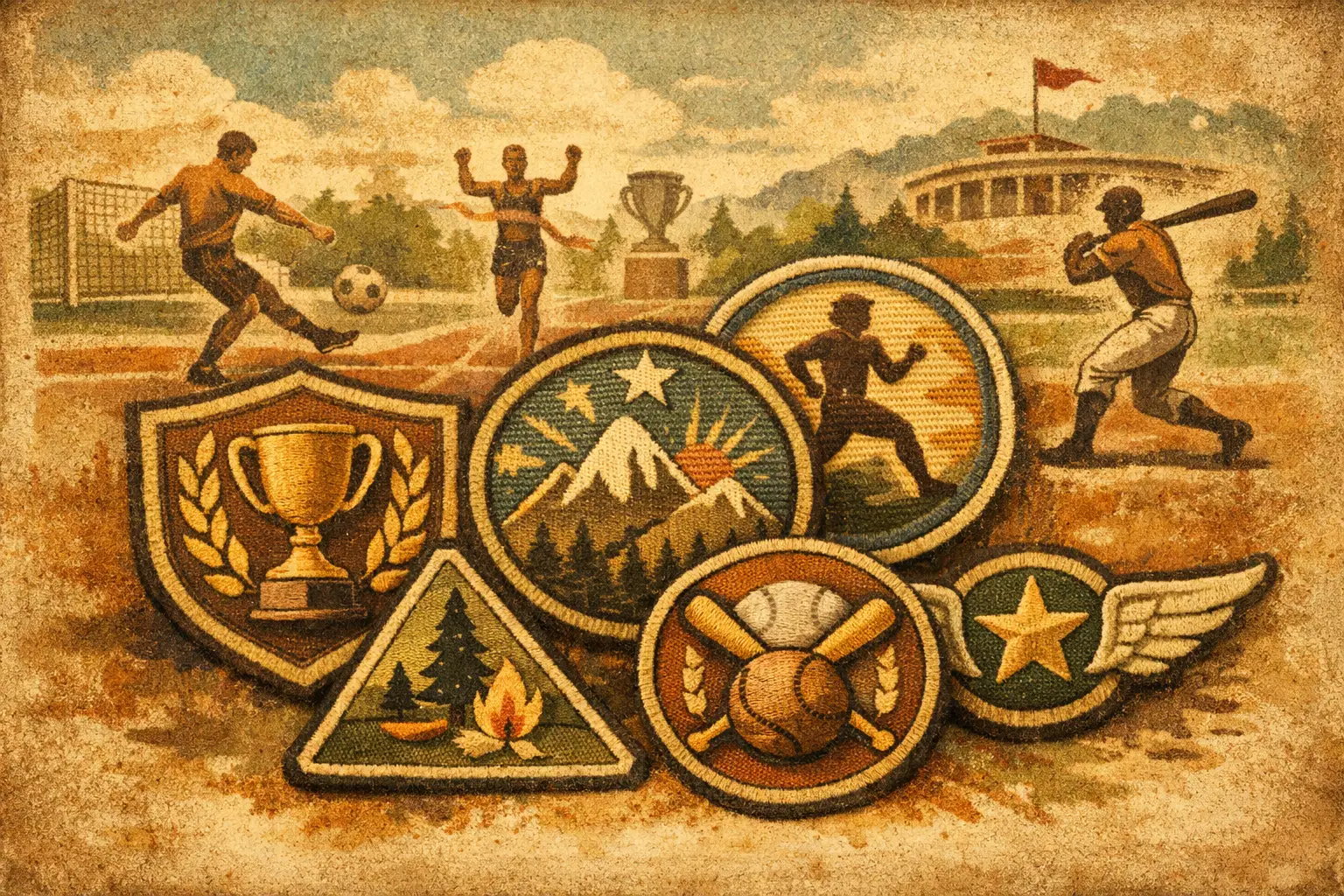
A badge should do more than sit on a profile. It should give someone a reason to book the court after work, turn up for their first pickup game, or ask for a rematch after a close loss. This guide to sports achievement badges is for players, organisers and communities that want progression to feel earned, visible and genuinely fun.
The best badge systems do not only reward the most talented athlete in the room. They recognise consistency, courage, contribution and improvement across every level of play. That matters when you are building a community where a first-time volleyball player and a regular five-a-side captain both have a reason to come back.
What sports achievement badges should reward
Achievement badges are clear markers of meaningful action. They turn activity into milestones: played your first event, completed a streak, helped run a session, joined a team, or improved a personal stat. The reward can be digital, physical, social or all three, but its value comes from what it says about the player.
A useful system balances three motivations. First, it gives newcomers a low-pressure first win. Secondly, it gives regular players a reason to stay consistent. Finally, it gives competitive athletes longer-term targets that are difficult enough to carry status.
If every badge is based on winning, newer or less confident players can feel pushed out before they find their feet. If every badge is handed out automatically, experienced players stop caring. The answer is a mix of accessible participation badges and higher-skill achievements, with transparent criteria for both.
Participation badges build the habit
Participation is not a lesser form of achievement. For many people, the biggest hurdle is moving from “I should play more” to actually arriving at a venue. Reward the actions that create that routine: attending a first session, trying a new sport, playing at different venues, or returning for three weeks in a row.
These badges work especially well for pickup sport, where players may not have a fixed team or league schedule. A “First Whistle” badge for joining an event is more motivating than a vague welcome message because it marks a real moment of commitment.
Progress badges make improvement visible
Progress badges should celebrate a player’s own journey, not only compare them with everyone else. A runner may improve their 5K time, a tennis player may increase their serve percentage, and a basketball player may complete a set number of sessions focused on shooting.
Use baseline-based measures where possible. “Improve your personal rating by one point” is often fairer and more compelling than “reach the top 10”, particularly in communities with mixed abilities. It creates a target a casual player can own.
Community badges reward the people who make sport happen
Every healthy sports community has people who organise, invite, welcome and encourage. They rarely top a leaderboard, yet the game might not happen without them. Recognise them.
A badge for creating five successful events, bringing a first-time player, captaining a team, or receiving positive post-match feedback signals what the community values. It also helps organisers identify trusted players when they need help filling a session or starting a new league.
A practical guide to sports achievement badges
Start with the player actions you want more of, rather than starting with badge names or graphic designs. If games are often short of players, reward reliable attendance and inviting friends. If players join once and disappear, create a simple early progression path. If your league needs more team captains, make leadership visible.
Then write each achievement as a plain, testable rule. “Play regularly” is too vague. “Attend four verified events within 30 days” is clear. Players should always know what they have done, what they need next and whether an achievement is based on an individual result, a team result or verified participation.
A good first release might include a small set of badges across four areas:
- First steps, such as joining a first event or completing a first challenge.
- Consistency, such as playing weekly for a month or maintaining a streak.
- Performance, such as recording a personal best or winning a competitive challenge.
- Community, such as organising events, forming a team or welcoming new players.
Keep the first set deliberately focused. Twenty badges with confusing rules create clutter. Eight to twelve well-designed achievements give players a clear path and give organisers useful signals about participation.
Give badges names people want to use
Names set the tone. “Attendance Level 2” sounds like an admin spreadsheet. “Never Miss” feels like a statement players may actually share. The name should be short, sport-aware where appropriate, and easy to understand without an explanation.
There is a trade-off here. A badge called “Court Commander” fits basketball, tennis and netball but not every activity. A platform serving many sports may need universal badges alongside sport-specific ones. For example, “First Session” can work across all sports, while “Clean Sheet” is best reserved for football, hockey or similar team games.
The visual treatment matters too, but clarity comes first. Use distinct colours or icons to show whether a badge represents participation, progression, competition or community contribution. At a glance, a player should be able to see whether their profile says “reliable teammate”, “rising competitor” or “the person who gets everyone playing”.
Make the challenge fair enough to matter
Players will quickly spot achievements that can be gamed. If someone can create empty events to earn organiser badges, the badge loses credibility. If a winning streak includes unverified results, competitive players will not trust it.
Build verification into the actions that carry status. That may mean event check-ins, agreement from both players after a challenge, results confirmed by a captain, or data recorded through a connected activity. The stricter the verification, the more meaningful the badge. But stricter systems can also add friction, so save them for achievements that need it.
Not every activity needs a referee. A first-event badge can be awarded from a check-in. A league champion badge should be tied to verified fixtures and results. Match the evidence to the claim.
Also consider access. A badge requiring ten matches in a month may be realistic for a student near several venues but impossible for someone with shift work or limited local options. Offer more than one route to progression where you can. A player could earn a consistency badge through weekly attendance, or through a set number of sessions over a longer window.
Use badges to create better next actions
The moment after someone earns a badge is where the system either builds momentum or stops. Do not make the achievement a dead end. Point towards a relevant next move: a nearby event, a new challenge, a team looking for players, or the next stage in a progression track.
For example, after earning a “First Game” badge, invite the player to return to another local session within seven days. After a “Team Starter” badge, suggest creating a squad for a league. After a player reaches a performance milestone, prompt them to challenge someone with a similar rating.
This is where badges become more than decoration. They help turn individual intention into shared sport. On Crewters, progression can sit alongside events, direct challenges, teams, leagues, ratings and tracked stats, so the reward has a practical place in the player’s next decision rather than living in a forgotten menu.
Let the community help decide what counts
A badge system is a statement of values. If only wins are rewarded, your community will play like winning is all that matters. If contribution, resilience and participation are recognised too, people see that there is more than one way to belong.
Ask active players which moments feel worth celebrating. You may find that a “Played Through the Rain” badge means more to a five-a-side group than another generic win badge, while a local tennis community may care more about competitive ladders and match reliability. Let organisers and early adopters vote on ideas, test criteria and flag loopholes before a wider release.
The strongest achievements become part of community language. Players mention them after a match, teams chase them together, and new members can see a believable route from their first session to becoming someone others want on their side. Build badges around those moments, keep the rules honest, and give every player a reason to arrange the next game.