
Everything You Need to Know About Playing Sport in Islington
September 14, 2026 · Chris Palmer
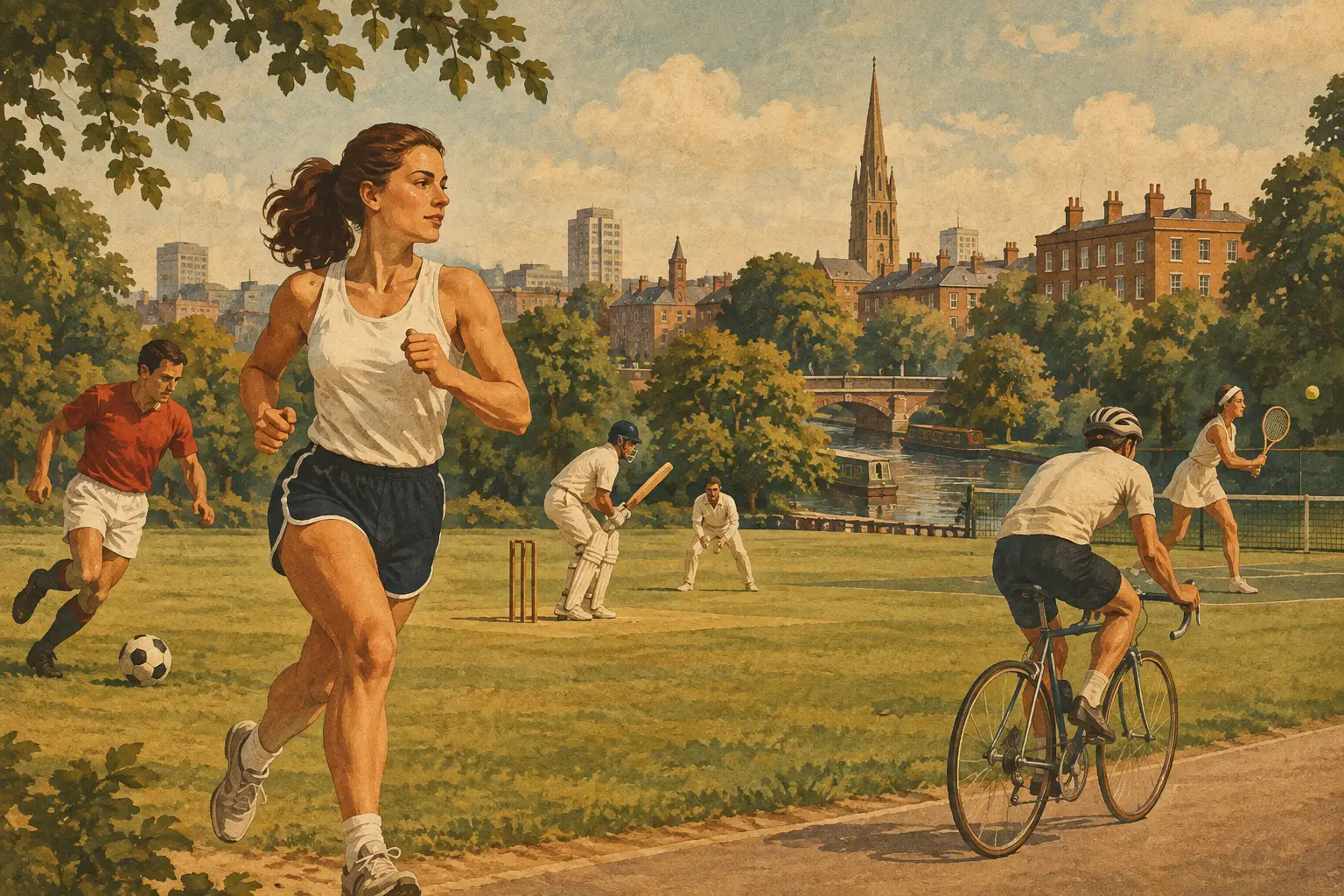
Islington can make a sports habit feel brilliantly close and oddly difficult at the same time. There are courts behind leisure centres, five-a-side pitches under lights, park runs, combat gyms and clubs with decades of history - but a busy borough also means booked-out slots, changing schedules and groups that can look hard to enter from the outside. Everything you need to know about playing sport in Islington starts with one useful truth: the best session is not necessarily the flashiest venue. It is the one you can reach, afford and return to next week.
Start with the sport you will actually play
The borough supports far more than the obvious football and gym routine. Football, basketball, tennis, running, swimming, boxing, martial arts, netball, cricket, cycling and fitness classes all have established local communities. There is also room for badminton, table tennis, volleyball, climbing, dance, racket sports and smaller groups built around a particular time or level.
Choose based on your real life, not your ideal self. A 7am swim may sound disciplined, but it is a poor fit if your commute turns it into a 45-minute expedition. A weekly evening football game near your flat, workplace or usual route home has a better chance of becoming a proper routine. Consistency beats the occasional heroic session.
If you are returning after time away, pickup play and beginner-friendly classes are usually the lowest-pressure route. If competition is what keeps you engaged, look for a team, league or regular ladder where results and attendance matter. Both approaches work. The deciding factor is whether you want flexibility, structure or a bit of both.
Where to play sport in Islington
Islington’s sports options tend to fall into three useful categories: public leisure facilities, parks and outdoor spaces, and independent clubs or studios. Each has a different trade-off.
Public leisure centres are a strong starting point for swimming, gyms, exercise classes, sports halls and bookable courts. They are accessible and practical, especially when you want a predictable place to train after work. Peak-time availability can be tight, though, and popular sessions often require planning rather than a last-minute decision.
Parks and open spaces make sport cheaper and more social. They work well for running, casual football, basketball drills, outdoor fitness and informal meet-ups. The compromise is obvious: weather, surface quality and daylight shape the experience. In winter, a well-lit indoor court may be worth the booking fee; in summer, a park session can be the easiest way to get a group together.
Independent clubs and specialist venues bring coaching, equipment and a clearer sense of progression. That can be ideal for tennis, martial arts, boxing, climbing or a sport where technique matters. They may cost more than casual public sessions, but good coaching and a regular group can give your effort direction rather than simply filling an hour.
Booking pitches and courts without the weekly scramble
For five-a-side football, tennis and indoor courts, the real challenge is often not finding a venue but getting a useful time. Evening and weekend slots are in demand, so organise early, split the cost before the session and have a reliable group chat rather than chasing payments on the day.
If you are the organiser, set a clear cancellation cut-off. It protects everyone from paying for an empty place and makes the group more likely to last. Rotating who books can help too, although one committed organiser is often what keeps a casual game alive.
Consider off-peak sessions if your schedule allows. Lunchtime, early morning and later evening bookings can be easier to secure and sometimes more affordable. For students, shift workers and people with hybrid jobs, this can turn a difficult weekly booking into a dependable fixture.
Finding people to play with, not just places
A venue is only half the equation. Plenty of people in Islington want a game but do not have nine friends ready for football or three others for doubles. That gap is where sports communities matter.
Start with the social circles already around you: colleagues, neighbours, university societies, gym regulars and friends who keep saying they should get active. Be specific when you ask. “Anyone up for sport?” creates silence; “Tuesday 7pm, casual basketball, all levels, one hour” gives people something they can say yes to.
Local clubs and recurring sessions are the best fit if you want familiar faces and a stronger sense of belonging. A regular group builds accountability. People learn your name, notice when you are missing and make it easier to improve without feeling like you are constantly joining as a stranger.
Pickup events are better when your working pattern changes, you are new to the area or you simply want to try something without committing to a season. The quality of a pickup game depends on the organiser. Look for a stated level, clear cost, confirmed numbers and an inclusive tone. If the details are vague, ask before you travel across the borough.
Crewters is built around that practical moment between wanting to play and having a game in the calendar. You can find venues, create a pickup event, join a crew, challenge a mate or build a team for organised league play across more than one sport. The point is not to make sport feel like admin. It is to get more people on court, on the pitch and part of a community.
Everything you need to know about playing sport in Islington as a newcomer
Joining a new group can feel more intimidating than the sport itself. Established players may know each other, the pace may be quicker than advertised, and nobody wants to arrive underprepared. The easiest solution is to be upfront.
Say whether you are a beginner, returning player or regular competitor. Ask what shoes or kit are required, whether the session is mixed ability, and whether there is a changing area or somewhere safe for valuables. Most decent organisers would rather know before the game than discover a mismatch after kick-off.
Arrive ten minutes early for your first session. It gives you time to introduce yourself, find the right court or pitch and understand how the group handles teams, substitutions and payment. For contact sports, martial arts or coached sessions, do not skip the safety briefing just to look experienced. Confidence is useful; pretending is not.
You do not need expensive gear to begin. Wear clothing you can move in, bring water and use footwear suited to the surface. Trainers may be fine for a sports hall or park, while artificial grass and hard-court games can demand something more specific. Buy specialist kit once the sport has earned a place in your week.
Build a routine that survives London life
Islington is busy, and routines get tested by late meetings, social plans, family commitments and a wet Tuesday that makes the sofa feel persuasive. The answer is not perfect motivation. It is a system with enough flexibility to keep going.
Give yourself a primary session and a backup. Your primary might be Wednesday football; your backup could be a Saturday run, swim or gym session if Wednesday falls through. That stops one missed game becoming an abandoned month.
Tracking progress can also make casual sport more satisfying. Set a goal that matches the activity: attend eight sessions, improve your serve, complete a first 5K, make a team, or win a friendly challenge. Results matter, but showing up is a result too. Stats, milestones and a little healthy rivalry can turn the vague intention to get fitter into something you want to protect.
Be the person who helps make the session happen. Confirm attendance, invite the new player, bring the ball when it is your turn and play in the spirit you would want from others. Strong local sports communities are not built by venues alone. They are built by players who make room for one another.
Your next game does not need a grand plan. Pick a sport, choose a realistic time, invite one person and put it in the diary. The crew grows from there.