
Achievement Tracking Apps Review for Sports Players
November 28, 2026 · Chris Palmer
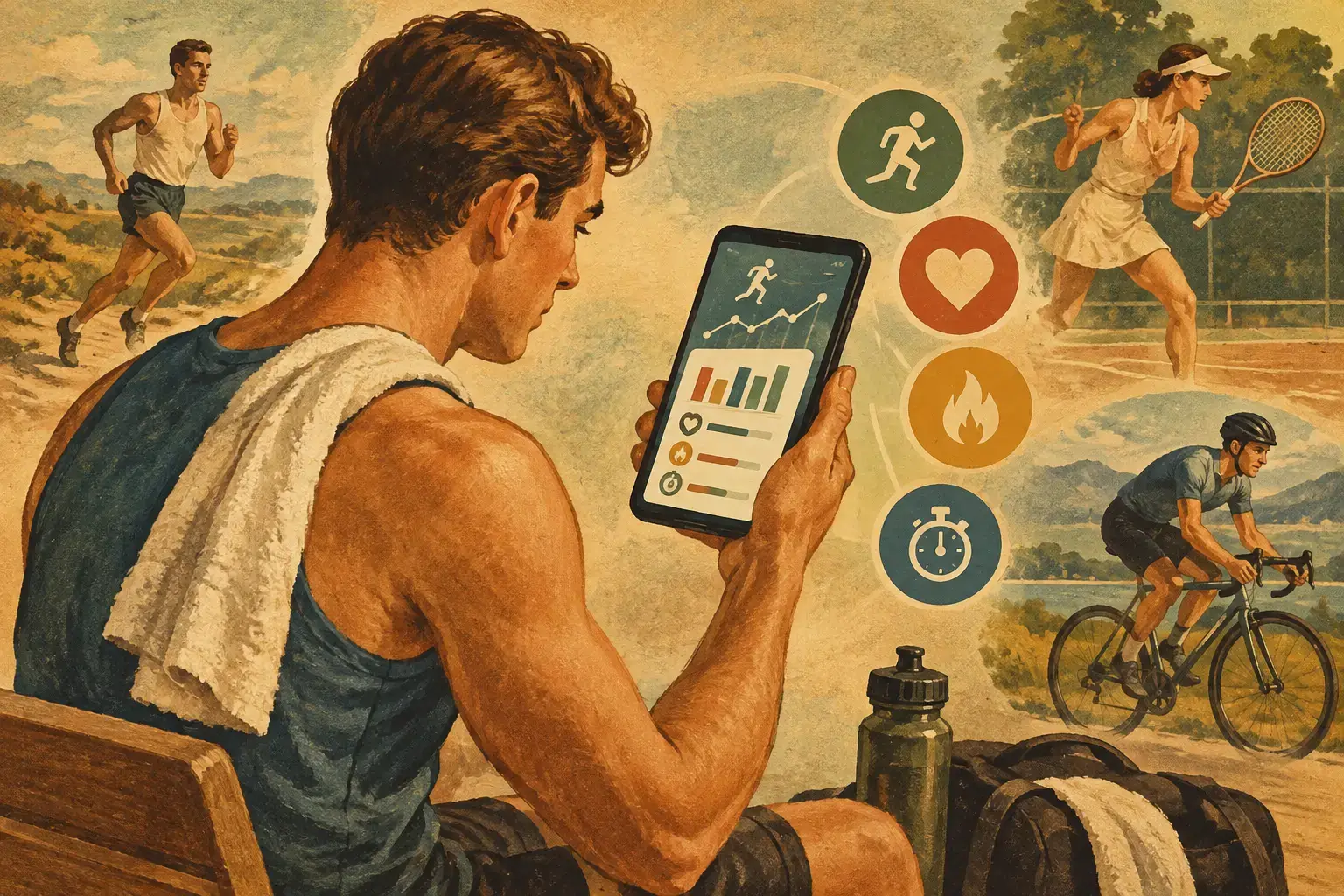
A badge for 10,000 steps is satisfying for roughly five seconds. A trophy earned after finding a last-minute five-a-side match, beating a mate in tennis, or turning up to your third basketball run of the month feels different. This achievement tracking apps review looks at what players should expect from progress features - and which kinds of apps make sport more likely to happen offline, not just look good on a screen.
For sports-active people, tracking only works when it supports the real objective: play more, improve over time, and find people who are up for it. The strongest apps pair personal progress with a reason to return. The weakest turn every session into admin.
What a good achievement tracker should actually do
Not every achievement system is built for sport. Some apps are excellent at recording miles, lifts or heart-rate data. Others make a game of habit-building. Both can be useful, but neither automatically solves the awkward moment when you want a game and have nobody to play with.
A useful sports achievement tracker should recognise participation first. That could mean joining an event, creating a game, completing a challenge, playing for a team, or trying a new sport. It should also give committed players room to chase harder goals through personal stats, winning records, streaks, skill milestones or league progress.
The key is context. A runner may care about pace and distance. A casual footballer may care more about matches played, teammates met and the next kickabout. A newcomer trying badminton for the first time needs a low-pressure nudge, not a dashboard full of numbers they do not understand.
Good design makes progress visible without making every sport feel like work.
Achievement tracking apps review: four types worth comparing
Fitness and habit apps
Fitness trackers are built around consistency. They handle workouts, movement goals, rings, streaks and personal bests well. If your main goal is getting off the sofa three times a week, this category is hard to beat. The immediate feedback is clear, and notifications can provide a useful push on days when motivation drops.
The trade-off is that generic activity targets can feel detached from the sports you actually enjoy. Closing a movement ring does not tell you whether you found a decent local court, got better at your serve or became part of a regular group. For many players, that missing social layer eventually makes the habit less sticky.
Use these apps when you want a private routine and simple accountability. They are less useful when your biggest barrier is organising people.
Running and cycling communities
Apps such as Strava are brilliant for endurance sports because the activity itself produces rich data. Routes, elevation, pace, segments and training history give committed runners and cyclists a clear picture of improvement. Community kudos and friendly competition add extra energy without requiring a formal league.
This model is especially strong for solo sports. You can head out alone, record the session, then still feel connected to a wider community afterwards. For people training towards a 10K, a sportive or a first long ride, it offers plenty to chase.
There is a catch. Data-heavy tracking can reward volume more than variety, recovery or simply having fun. It also translates less neatly to sports where the meaningful result is shared: a close squash match, a social netball session, or a pick-up game where teams change every week. If your sport depends on gathering people in the same place, activity records alone are only half the story.
Workout and strength-training trackers
Strength apps are ideal when progress is measurable rep by rep. They let you log sets, weights, programmes and personal bests, creating a detailed record of what is changing in the gym. For athletes adding strength work around their sport, that level of detail can be genuinely valuable.
But logging can become friction. Between sets, some people enjoy recording every number; others would rather focus on the session. And while a new deadlift personal best deserves recognition, it is not the same as making the local volleyball team or turning up for six weeks of training with your crew.
Choose this category if performance programming is your priority. Consider it a companion rather than the centre of your sporting life if you also want matches, teammates and local discovery in one place.
Social sports platforms
Social sports apps take a different view: progress is not only physical. It is also participation, confidence, reputation and community. Their best features connect the action to the reward. You join a game, meet players, track your performance, build a streak, earn trophies and have a reason to organise the next session.
That is where Crewters is aiming to make sports apps fun again. Its all-sports approach covers 122 sports, so a player can discover venues, create or join pick-up events, challenge friends, form teams and compete in leagues without moving between separate apps for every hobby. Stats, goals, trophies and achievements sit alongside the things that make those rewards meaningful: actual games and actual people.
This approach will not replace specialist training data for every serious runner, cyclist or lifter. It does solve a wider problem for recreational players: intent is easy, participation is harder. If an achievement sends you back into the local sports community instead of into another solo screen session, it is doing useful work.
The features that make rewards feel earned
A trophy cabinet looks impressive only if the achievements behind it mean something. The best systems avoid handing out endless badges for opening the app. They recognise actions that create momentum.
Look for a mix of short-term wins and longer arcs. A first-event badge helps new players cross the starting line. A monthly attendance target supports routine. A milestone for playing across several venues encourages exploration. Team and league achievements create shared stories, which are often more memorable than individual points.
Personalisation matters too. A beginner should not be punished for lacking the numbers of an experienced player. Useful apps offer goals based on frequency, improvement or trying new activities, not just winning. That is particularly important in social sport, where showing up and bringing others along is valuable.
Recognition needs care. Player ratings and post-game feedback can encourage good sportsmanship and help people find reliable opponents, but only when the system is fair and difficult to game. Clear standards matter more than a flashy leaderboard. An app that rewards respect, consistency and positive participation builds a better community than one that rewards noise.
How to choose without downloading five apps
Start with the behaviour you want to change. If you need structure for solo training, a fitness or specialist tracker may be enough. If you already have a regular group but want to record results, look for match stats and team features. If you keep saying you will play more but never know who is free, prioritise event discovery and a local player network.
Then check the effort required. Tracking should take seconds, or happen naturally through the way you arrange and play. Manual logging is fine for people who love detail. For everyone else, too much input turns a motivating feature into a chore.
Finally, ask whether the rewards push you towards healthy competition. A useful app gives you a next move: join another session, set a realistic goal, invite a friend or test yourself against someone new. It should not make you feel behind because somebody else has more badges.
Build progress around play, not pressure
The most effective achievement trackers do not pretend a digital badge is the finish line. They use recognition to make the next real-world action easier. That might be booking a court, saying yes to a pick-up game after work, or finally creating the group chat event everyone keeps talking about.
Your best system depends on your sport and your motivation. Keep the data that helps you improve, ignore the numbers that drain the fun, and choose rewards that bring more people onto the court, pitch or track with you. The next achievement worth earning is usually a game already on the calendar.