
2026 Community Sport Trends Worth Joining
October 19, 2026 · Chris Palmer
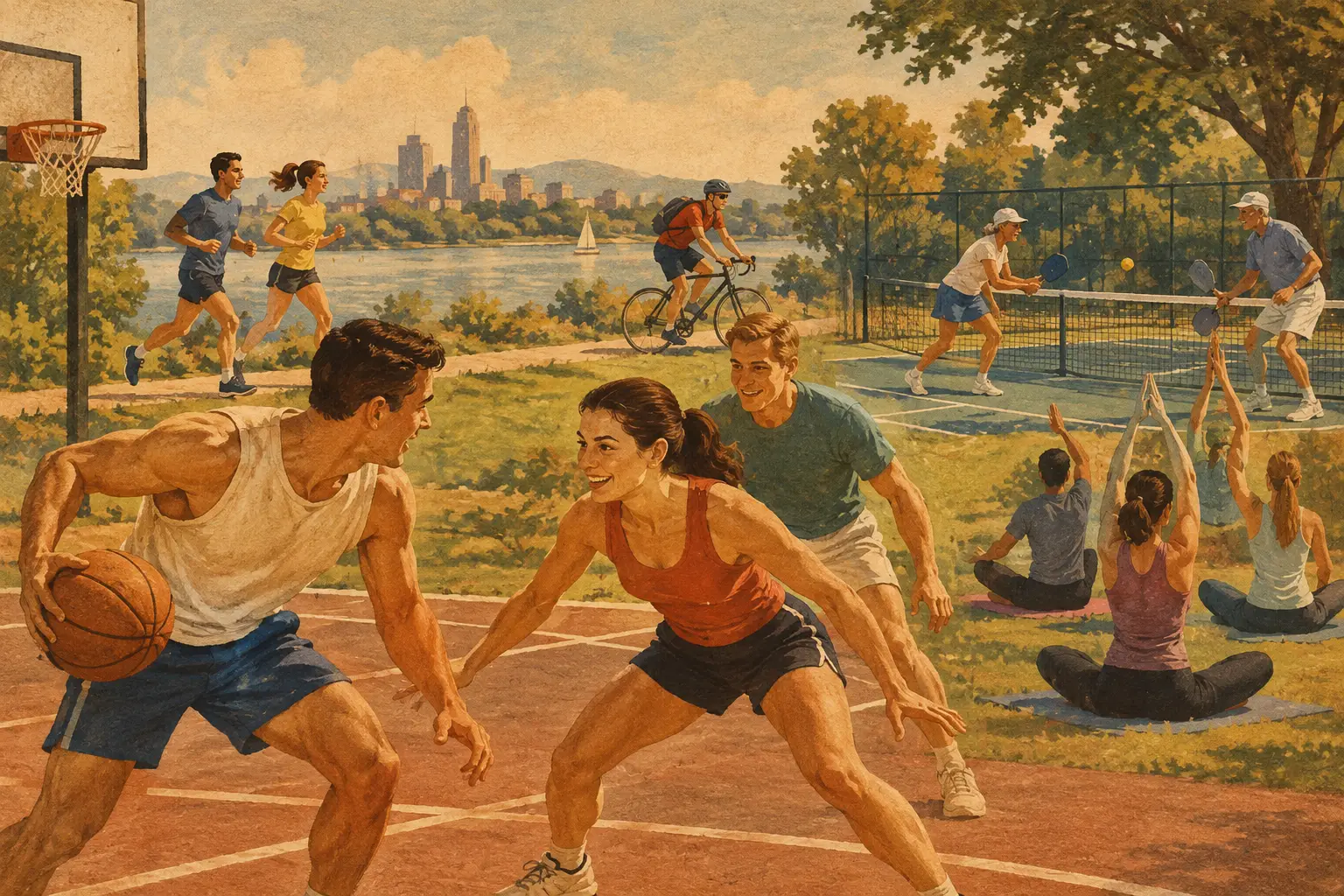
A Tuesday night court with 10 names confirmed is becoming more valuable than a grand plan to get fitter “sometime soon”. The biggest 2026 community sport trends are not about watching more sport from the sofa. They are about making it easier to play, return next week and feel like your attendance counts.
For players, organisers and venues, that changes the job. The goal is no longer simply to fill a league or post a fixture. It is to create repeatable reasons for people to find their crew, take part at their own level and build momentum over time.
2026 community sport trends: participation gets personal
Community sport has always run on human connection, but the expectation is shifting. Players want the convenience of booking and messaging, alongside the energy of a real group that notices when they show up. They want a match that fits around work, study and family commitments without making them feel like a spare part.
That is why flexible formats will keep growing in 2026. Pickup football, social tennis, half-court basketball, running groups, padel sessions and casual mixed-ability games make participation less intimidating than signing up for a full season. They offer a low-commitment first step, which matters for beginners and for people returning after time away.
The trade-off is that flexibility can create flakiness. An open game with no shared expectations can quickly become a chat with six drop-outs. The communities that thrive will make the casual experience dependable: clear start times, sensible player limits, visible attendance and easy ways to invite the right people.
Smaller groups, stronger routines
Big local groups are useful for reach, but smaller crews are where habits form. A weekly five-a-side group, a lunchtime badminton crew or a Sunday morning cycling bunch gives people social accountability without the pressure of elite performance.
Expect more players to choose groups based on rhythm as much as sport. “Every Wednesday at 7pm” can be more compelling than “we play football”. The routine removes a decision, while the familiar faces make turning up easier on the weeks when motivation is low.
For organisers, this means creating space for recurring events rather than treating every session as a one-off. It also means letting communities develop their own identity. Some groups will be highly competitive. Others will be beginner-friendly, social-first or built around parents, students, shift workers or people new to an area. There is no single ideal culture. The best format depends on who is playing and why.
The rise of social competition
Players want welcoming sport, but welcoming does not mean consequence-free. One of the most exciting 2026 community sport trends is the return of competition in lighter, more accessible forms.
Short leagues, ladders, local challenges and team-versus-team series give a regular game something to play for. They work especially well when they avoid the barriers of traditional competition: fixed squads, long seasons, complicated registration and a feeling that newcomers have already missed their chance.
A three-week mini league can be a better fit than a six-month commitment. A tennis ladder can connect players who cannot attend the same weekly session. A direct challenge can settle the question of who owns the local court without needing a full tournament structure.
The key is matching the stakes to the group. Competitive players often want rankings, results and progression. Newer players may prefer achievement-based goals such as playing three times in a month, joining their first event or improving a personal stat. Both are valid. Communities lose people when every activity is either too serious or too vague.
Recognition will matter as much as results
In 2026, more community platforms and organisers will reward the behaviours that keep sport alive: hosting games, welcoming first-timers, showing up consistently, helping a team field enough players and giving fair feedback after a match.
Goals, trophies, attendance streaks and player ratings can make participation visible. Used well, they add fun and recognition to the ordinary work of being a good teammate. Used badly, they can turn every casual match into an argument over numbers.
The difference is transparency. Players need to understand what is being tracked, how feedback works and what a rating actually reflects. Stats should help people see their progress, not make them feel judged after a rough game. A community with clear norms will get more value from gamification than one that simply adds points to everything.
Venues become community partners
A sports hall, court, pitch or leisure centre is no longer just a place people hire for an hour. In the strongest local sports ecosystems, venues help groups discover opportunities, coordinate attendance and return regularly.
That does not mean every venue needs to run a complicated league operation. Often, the most useful move is simple: make available slots visible, support regular organisers and help players find the right session for their level. A quiet Wednesday evening is not merely unsold court time. It could be the start of a recurring community.
UK players are also becoming more willing to travel across town for the right game, particularly when they can see who is attending and whether the session suits them. But convenience still wins. Communities that combine clear venue information with reliable local scheduling will have an advantage over groups that rely on scattered messages and last-minute guesswork.
One sports network, not dozens of silos
People rarely live in one sporting lane forever. Someone may play five-a-side through winter, try padel with colleagues in spring, join a running group ahead of a charity event and return to basketball when friends organise a game. Their social circle moves across activities too.
That is why all-sports communities will become more useful than isolated single-sport spaces. Cross-sport discovery creates more chances to stay active when a preferred session is full, a season ends or an injury changes what someone can play. It also lowers the pressure of trying something new. Joining a sport is easier when you already recognise people in the wider community.
Crewters is built around that reality: one place to discover venues, create pickup events, challenge players, join teams and compete across 122 sports. The point is not to force every sport into the same format. It is to make it less likely that a person with the intention to play gets stuck without a route in.
Players will expect a say in what gets built
Community sport technology is moving away from the idea that apps should dictate how groups behave. Players and organisers are increasingly vocal about what they need: better event controls, fairer ratings, more useful stats, easier team management, safer reporting tools or a sport category that has been overlooked.
The products that earn loyalty in 2026 will treat that feedback as part of the build, not a survey sent into the void. Early adopters want to test features, flag what is frustrating and vote for what should happen next. That is especially true in sport, where a feature that works perfectly for tennis may be useless for rugby, climbing or a local walking group.
For community leaders, this is a chance to be specific. Ask members where the friction is. Is it finding enough players? Paying for a booking? Knowing the standard of a session? Getting results recorded? Recruiting someone to organise? Solve the real blockage before adding another group chat or another sign-up form.
Trust and belonging will be the real differentiators
More activity options are great, but choice alone does not create community. Players need to know what kind of game they are joining, whether people will be respectful and whether it is genuinely suitable for them.
Clear descriptions, accurate skill guidance, ratings with context and active organisers help build that trust. So does welcoming new people properly. A first-time player who arrives to find cliques, unclear rules and no introduction may never return. A first-time player greeted by name, given a simple role and invited back has a reason to stay.
The most successful groups in 2026 will not chase participation at any cost. They will protect the culture that makes participation sustainable. That can mean setting expectations about cancellations, conduct and competitiveness. It can mean offering beginner sessions separately from advanced games. It can mean being honest that a session is intense, social, mixed ability or family-friendly.
The opportunity is bigger than filling a pitch or collecting another result. Build the kind of sporting routine people can rely on, give them a real stake in it, and let every player help shape what the next game becomes.