
How to Organise Mixed Ability Games That Work
October 18, 2026 · Chris Palmer
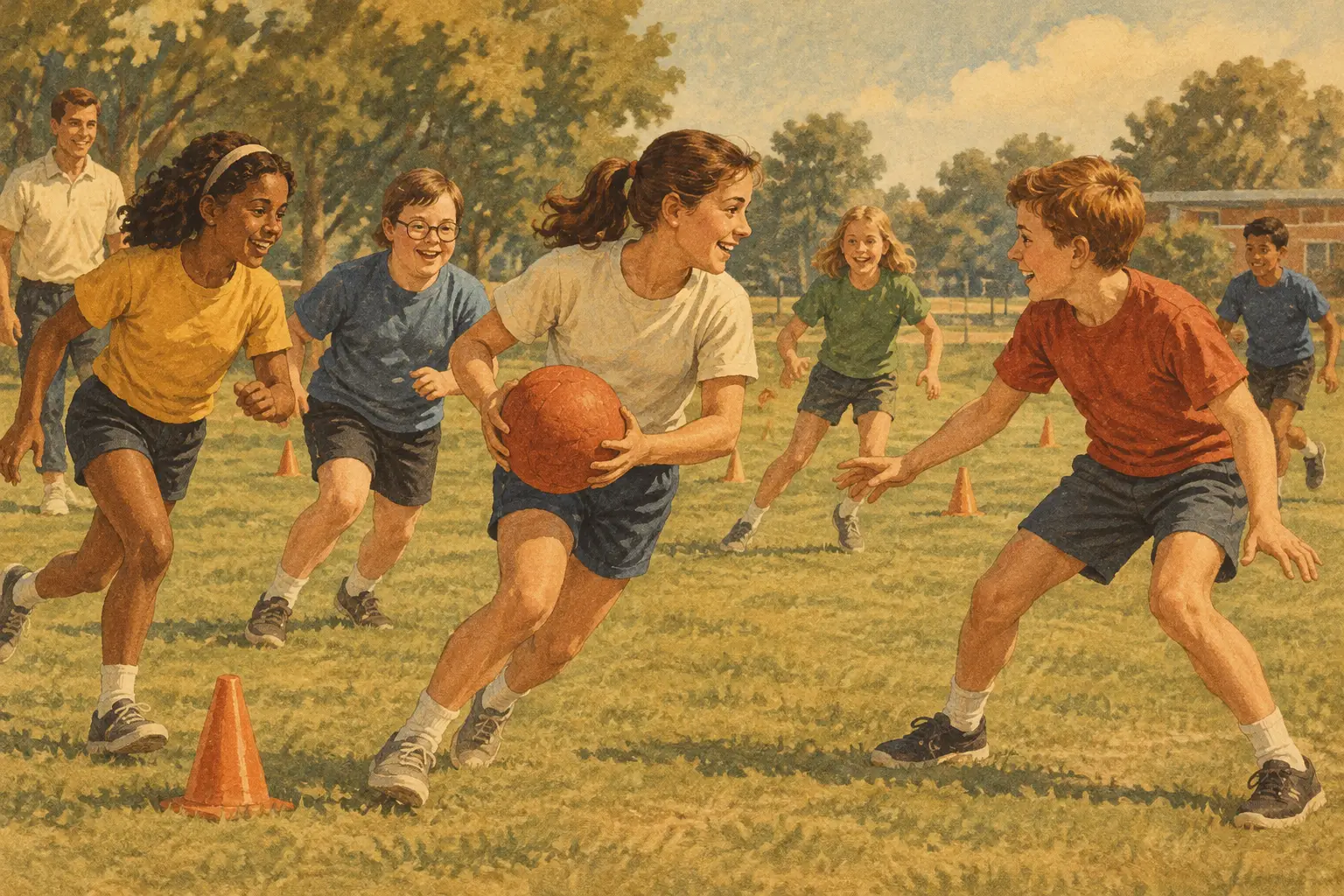
A player who has not touched a ball in six months should not spend their whole evening apologising. Equally, the strongest player should not feel as though they are being asked to jog through a training session. To organise mixed ability games well, you need a format that gives every person a meaningful role, a realistic chance to contribute and a reason to come back next week.
That is the difference between a pickup game people tolerate and a sporting community people actively build. The goal is not to make everyone identical. It is to create a contest where different levels can play together without the usual eye-rolling, hiding on the wing or one-sided scorelines.
Start by defining what the game is for
Mixed ability does not always mean the same thing. A casual Tuesday five-a-side after work has different needs from a tennis ladder, a basketball run or a beginner-friendly cricket session. Before inviting people, decide whether the priority is social play, competitive improvement, a gentle return to sport, or a balance of all three.
Be clear about that in the event description. Say whether beginners are welcome, whether scores are tracked, how long matches last and whether players will rotate. The right players will opt in when expectations are visible. Problems usually start when someone arrives expecting a hard-fought game and finds a purely social kickabout, or the other way round.
A useful rule is to create games around commitment rather than labels. “Beginner” and “advanced” can put people off, and neither tells you much about a player’s pace, fitness, decision-making or confidence. Ask simple questions instead: how often do they play, what position do they prefer, and are they comfortable with competitive games? Over time, attendance and results will tell you more than self-ratings ever can.
Organise mixed ability games with balanced teams
Putting the best players on one side and everyone else on the other is the fastest route to cancellations. Team balance needs a little thought, especially in small-sided sports where one standout player can change the entire match.
Start with two captains who know the group and can draft fairly. Ask them to pick by broad contribution, not just who scores most. In football, spread quick runners, calm defenders and reliable finishers. In basketball, distribute ball-handlers, rebounders and shooters. In racket sports, pair a stronger player with someone developing their consistency rather than stacking the same pair every round.
If you do not know the group yet, use a simple first-session system. Mix experienced players across teams, place newer players beside communicative teammates, then review after the opening game. There is no shame in a mid-session switch. Moving one player, changing a goalkeeper or adjusting a handicap is better than watching a 9-0 scoreline drain the energy from the court.
Avoid making the least experienced person the obvious “balancing” piece. That can feel like public judgement. Explain changes as normal game management: teams are being refreshed to keep the next match alive. The language matters as much as the move.
Use formats that create more touches
Large teams can hide a big ability gap because weaker players may barely see the ball. Smaller-sided formats bring everyone into the game. Four-a-side football, half-court basketball, short badminton rotations and timed tennis doubles all create more decisions, more action and more chances to learn.
Short matches also help. Try games of six to ten minutes, or first to a modest score, then rotate teams. A player having a difficult round gets a reset quickly. A dominant team cannot sit comfortably in control for 45 minutes. For organisers, short rounds also make it easier to tweak teams based on what is actually happening rather than what you guessed beforehand.
Change the rules, not the standard of respect
A few light rules can keep a mixed game competitive without turning it into a PE lesson. Use them only when they solve a real problem. Too many restrictions make stronger players feel punished and newer players feel patronised.
For football, consider a maximum-touch rule only if one player is dribbling through everybody repeatedly. In basketball, a made basket might require an assist, which encourages movement and inclusion. In doubles, serve rotations and short sets stop one strong server from controlling the whole session. A trailing team could start the next round a goal ahead, or earn a bonus point for a sequence of passes.
Handicaps are useful when the group enjoys a clear challenge. They are less useful when the session is mainly about meeting new people. It depends on the personalities involved. Keep any adjustment simple enough that nobody has to stop playing to debate it.
What should never change is respect. No one improves because they are shouted at for a missed pass. Set the tone early: encourage good decisions, give practical feedback only when it is welcome, and keep criticism for safety or basic fairness. Competitive does not have to mean hostile.
Make rotations visible and predictable
Waiting around is one of the main reasons people disappear from pickup sport. It affects newer players most because they may already worry that they are slowing others down. Publish the rotation before the session begins, or explain it clearly at the start.
If there are more players than spaces, use a next-on system with fixed game lengths. The losing side rotates off is common, but it can create long waits for a team still finding its feet. A better option is a rolling rotation where each team plays a set number of rounds before sitting out. It is not always the most intense format, but it is usually fairer and more social.
For individual sports, switch partners as well as opponents. Players learn faster when they see different styles, and cliques have less chance to form. It also prevents the strongest regulars from quietly creating an untouchable group every week.
Build progression into the group
Mixed ability games work best when people can see a path forward. That does not mean turning every session into a league. It means recognising improvement and giving players another reason to return beyond the final score.
Track the things that suit your sport and group: attendance streaks, player-voted effort, clean sheets, assists, personal bests or a first successful serve. Celebrate a newcomer who keeps showing up as much as the player who wins every match. Progress is motivating when it is personal, visible and not solely reserved for the most naturally gifted athlete.
This is where a community platform can take pressure off the organiser. With Crewters, a host can create an event, bring players together around their sport and build a record of participation, challenges and achievements over time. The key is using those tools to make the group more open, not to turn a friendly game into an audition.
If your regulars want more structure, split the calendar rather than splitting the community. Keep one inclusive weekly session, then offer an optional competitive night, challenge round or league team for those who want it. People can choose their level of intensity without being pushed out of the group that got them playing in the first place.
Deal with uneven behaviour early
Ability is rarely the reason a game falls apart. Behaviour is. The talented player who never passes, the regular who picks friends first, and the organiser who cancels at the last minute all make a group harder to sustain.
Set a few standards and apply them consistently. Arrive on time, confirm or cancel early, rotate fairly, play safely and include new people. You do not need a long rulebook. You do need to act when the same issue keeps happening. A private conversation is usually enough, especially if you frame it around the experience you are trying to build for everyone.
Also ask for feedback after the session. A quick “Were the teams fair?” or “Would you play that format again?” gives quieter players a route to be honest. Do not change everything after one complaint, but look for patterns across several games. The people who return are showing you what works; the people who do not return may tell you what is missing.
Keep the invitation open, but protect the experience
The best mixed ability games feel welcoming because their structure is strong. Players know where they stand, what happens when they arrive and how they will get involved. Nobody needs to be the star, but everyone should have a chance to make a pass, win a point, support a teammate and leave feeling part of the crew.
Your next game does not need perfect teams or a complicated scoring system. It needs a clear purpose, fair rotations and an organiser willing to make a small adjustment when the balance is off. Get those right, and a one-off session can become the regular game people plan their week around.