
How to Join Local Sports Leagues on iPhone
April 13, 2026 · Chris Palmer
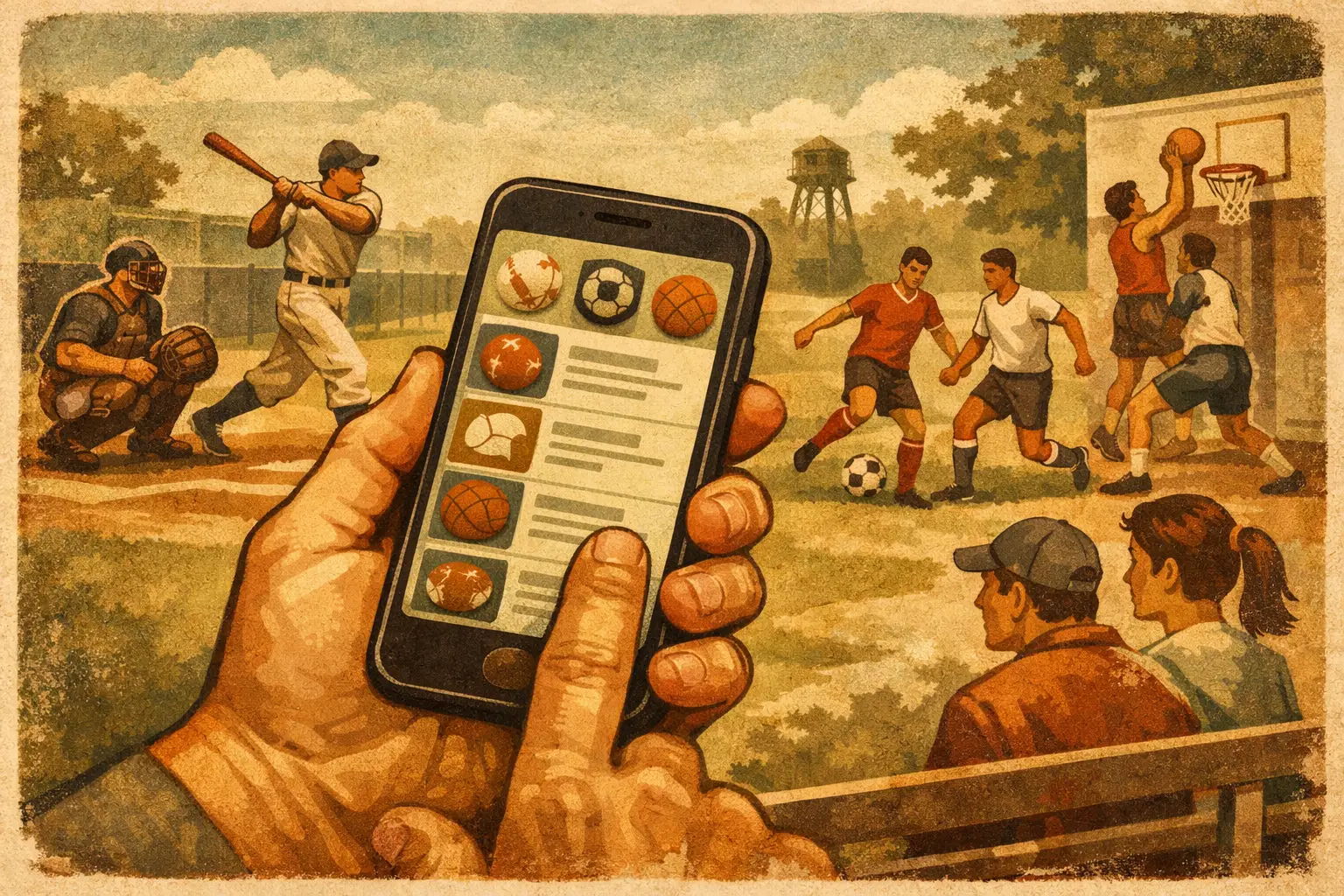
You do not need another group chat that dies after three messages. If you want to join local sports leagues on iPhone, the real goal is simple: find active players, get into real games fast, and keep playing without chasing flaky replies every week.
That sounds obvious, but most people hit the same wall. One app helps you book a court. Another lists adult leagues with outdated schedules. A third is built for one sport only. Then you still have to figure out whether the skill level fits, whether the location makes sense, and whether anyone actually shows up. The best iPhone setup is the one that cuts through that friction and gets you from intent to game day.
How to join local sports leagues on iPhone without wasting time
Start with what kind of play you actually want. If you are looking for structured weekly competition, you need team and league discovery. If you are new to an area or coming back to sports after a break, pickup events and open challenges are often the better first step. A lot of players think they need a formal league right away, but joining a few local runs first can be the fastest path to meeting captains, organizers, and regulars who already know where the best leagues are.
On iPhone, that usually means using apps that combine discovery with action. You want to search nearby venues, see live activity, join an event, message players, and move into teams or leagues from there. If an app only gives you listings with no active community layer, expect more dead ends.
Location matters more than people admit. A league 25 minutes away can sound fine on a Sunday afternoon and become a weekly excuse to skip once work gets busy. When you browse options on your iPhone, filter hard for realistic travel time, days you can actually commit to, and formats that fit your schedule. A good Tuesday night league you can attend every week beats the perfect Saturday league across town that you keep missing.
What to look for in a sports league app on iPhone
The first thing is sport coverage. If you only play one sport and never plan to branch out, a single-sport app may work. But many players move between basketball, soccer, tennis, volleyball, run clubs, and niche activities depending on season, friends, or travel. An all-sports network gives you more ways to stay active and more chances to meet people who can pull you into new formats.
The second thing is whether the app supports the full path from casual play to organized competition. That path matters. Most people do not wake up, download an app, and instantly commit to a full league. They test the waters. They join a pickup game. They challenge a friend. They see who is consistent. Then they join a team. Then the league makes sense.
The third thing is accountability. Ratings, attendance history, stats, achievements, and team records are not just extras. They help separate active communities from random listings. If you can see who plays regularly and how games are going, you have a better shot at joining something that lasts.
That is where an iPhone-first sports network can stand out. Crewters, for example, is built around the full sports loop: venues, events, challenges, teams, leagues, stats, trophies, and player ratings across 122 sports. Instead of forcing you into a single lane, it lets you find your crew, compete, and help shape what gets built next. For players who want more than a static directory, that matters.
The smartest path from pickup to league play
A lot of players treat pickup and leagues like separate worlds. They are not. Pickup is often the warm-up layer for local leagues, especially if you are joining without a prebuilt friend group.
If you have just moved cities, start by joining two or three nearby events through your iPhone and show up consistently. Consistency is the filter. Organizers remember the people who arrive on time, play hard, and make the game better. Those are the players who get invited into group threads, asked to sub for teams, and pointed toward league openings before they are widely posted.
If you already have a couple friends ready to play, skip the long search for a “perfect” team and create your own nucleus. Many league platforms work better when you join as a partial squad. Two to five committed players can fill roster gaps fast, especially in co-ed leagues, rec soccer, basketball, and racket sports communities where no-shows are common.
If you are sports-curious and worried about skill level, look for apps that make challenge play and beginner-friendly events visible. Leagues can feel closed off when all you see are polished team names and standings. Open events lower that barrier. They give you reps, confidence, and local context before you commit to a season.
Common mistakes when you join local sports leagues on iPhone
The biggest mistake is downloading too many tools and committing to none. More options can feel productive, but they usually create noise. Pick one or two platforms with actual local activity and use them well. Join events. Message organizers. Complete your profile. A half-finished account gets half-hearted results.
The next mistake is ignoring the social side. Skill matters, but reliability matters almost as much in rec sports. If the app supports post-game ratings, attendance history, or player reviews, that is not fluff. It helps communities organize around trust. The players who answer, show up, and compete fairly get invited back.
Another mistake is aiming too high or too low on level. If you join a league far above your pace, you may stop showing up. If you join one far below it, you may get bored by week two. The best fit is usually one level below your ego and one level above your comfort zone. You want games that push you without making every possession feel like survival.
And do not overlook venue quality. A great league at a bad location can wear down fast. On your iPhone, check whether you can view venue details, community feedback, and recurring event history. A gym or field with active repeat play is usually a safer bet than a listing with no signs of life.
Features that actually help, not just look good in screenshots
Real utility starts with local discovery that reflects how people play. You should be able to find nearby venues, see what sports are active there, and tell whether the community around that spot is casual, competitive, or mixed. That context saves time.
Team formation matters too. A lot of apps make it easy to browse and strangely hard to commit. You want a setup where creating or joining a team feels natural, not like filling out a tournament registration form from 2012. The easier it is to move from “I’m interested” to “I’m on the roster,” the stronger the network becomes.
Stats and progression also pull more weight than people expect. They keep casual players engaged between games and give competitive players something to chase besides the final score. Goals, trophies, streaks, and achievements work because sports are built on momentum. If an app makes participation visible, players come back.
Live features can help as well, but only if the local community uses them. Livestreaming, direct challenges, and post-game reviews sound ambitious on paper. In the right network, they create energy and recognition. In a quiet app, they become empty buttons. That is the trade-off with any sports platform: the product matters, but active local adoption matters more.
Building a better weekly sports routine from your iPhone
The best outcome is not joining one league once. It is building a repeatable system. One app on your iPhone should help you keep a steady rhythm: one league game a week, one pickup run, one challenge match, one venue you know you can rely on. That is how sports become part of your actual life instead of a thing you keep meaning to restart.
This is also why community-led platforms feel different when they work. If users can shape feature priorities, vote on what comes next, and help improve the experience, the app starts to act more like a sports home base and less like a transaction tool. That builder mindset matters for organizers, early adopters, and players who are tired of fragmented sports apps that solve one small problem and leave the rest untouched.
If your goal is to join local sports leagues on iPhone, think bigger than registration. Find a network that helps you discover places to play, meet reliable people, compete at the right level, and stay motivated after the first game. The right app does not just help you sign up. It helps you keep showing up.