
How to Join Local Pickup Games Fast
April 11, 2026 · Chris Palmer
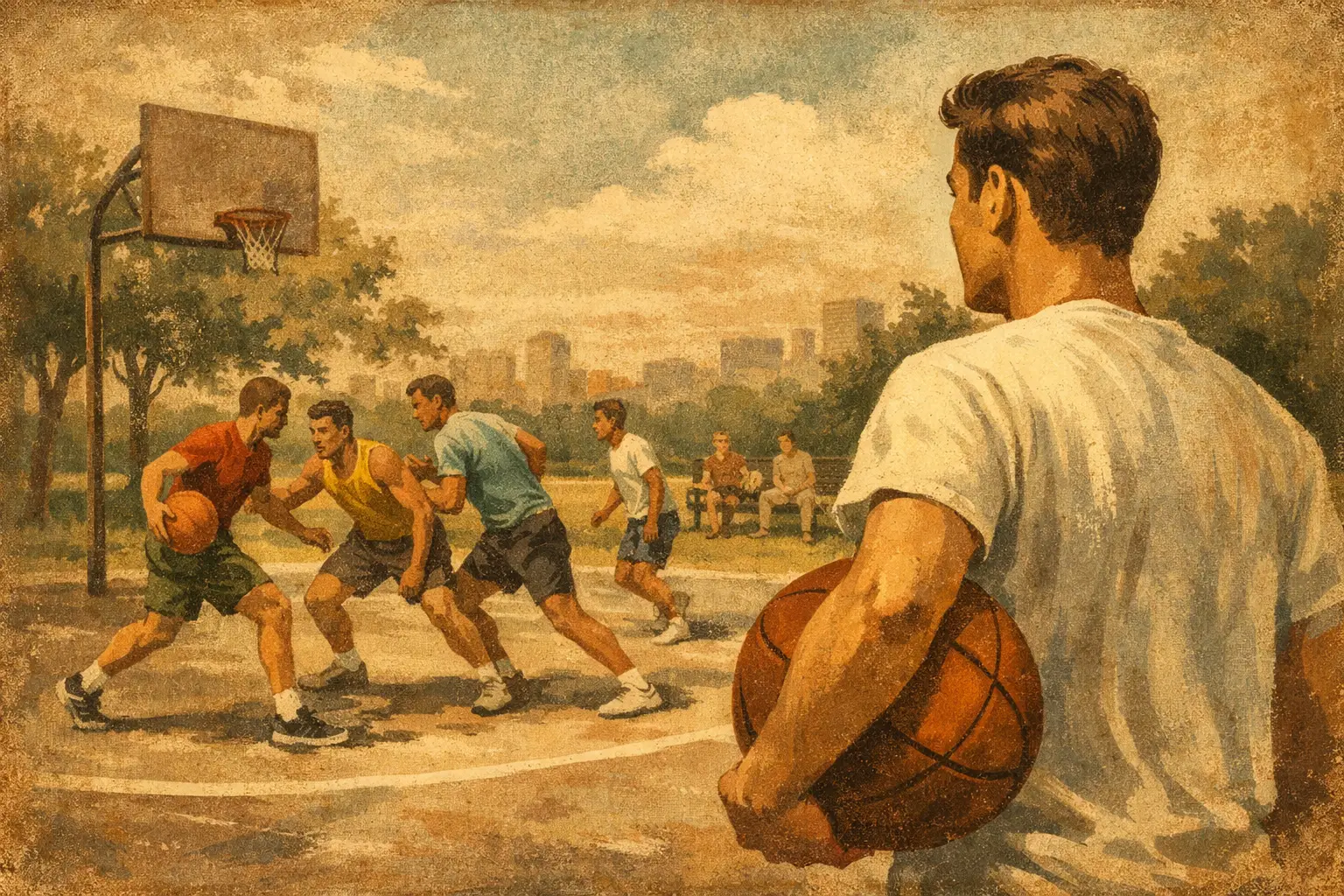
You do not need a full roster, a season-long commitment, or a perfectly polished game to play more often. If you’ve been searching for how to join local pickup games, the real challenge usually is not skill. It’s access. Most games happen through loose networks, last-minute messages, and people who already know where to show up.
That can make pickup feel weirdly closed off from the outside, especially if you’re new to a city, coming back to sports after a break, or trying a sport where you do not already have a crew. The good news is that local pickup is easier to break into once you understand how players actually organize. It is less about waiting for an invitation and more about plugging into the right rhythm.
How to join local pickup games without feeling like an outsider
The biggest mistake people make is treating pickup like a formal league. It is not. Pickup runs on consistency, trust, and simple logistics. Players want to know three things fast: Can you show up, can you play within the flow of the game, and are you someone they want to see again next week?
That is why joining local games usually starts before the first point, run, or possession. You need a place where players actually coordinate, a venue that already attracts regular play, and a way to signal that you are serious enough to participate but easy enough to include.
If you only search random social posts once and hope the perfect game appears, you will probably think your area has no scene. In most cities, the scene exists. It is just fragmented across courts, parks, rec centers, friend groups, and sport-specific chats.
Start with venues, not just people
If you want repeat games, follow the places where repeat games happen. Courts, fields, gyms, tennis centers, skate spots, climbing gyms, and multi-use parks often have reliable traffic even when the player group changes. That matters because venues create patterns. Patterns create pickup.
Look for places with obvious community behavior. A basketball court with rotating runs at 6 p.m. is very different from an empty court that occasionally fills on weekends. A soccer field that hosts small-sided games after work is more useful than a large complex that only runs booked league play. The same logic applies across sports.
The smarter move is to build a short list of local venues and learn their timing. Ask simple questions. When do people usually show up? Is this beginner-friendly? Do players run open games or private groups? Is there a day that consistently gets enough bodies?
That gives you a map instead of a guessing game.
What makes a venue pickup-friendly
A good pickup venue usually has three things: predictable traffic, low barriers to entry, and enough space or flexibility to absorb new players. Public parks often work well because nobody needs a formal invite. Rec centers can be great too, though some lean more structured and less spontaneous.
There is a trade-off here. Highly competitive venues may give you stronger games, but they can also feel harder to enter if you are new. More casual spots are easier to break into, though game quality may vary. If your real goal is to play consistently, access beats prestige early on.
Use the right app for actual participation
A lot of platforms are good at showing sports content. Fewer are good at getting you into a game this week. That difference matters.
When evaluating an app, do not just ask whether it has users. Ask whether it helps you move from interest to action. Can you discover nearby venues? Can you find pickup-style events instead of only formal leagues? Can you join a game without needing to know the organizer personally? Can you challenge other players, build a team, or track participation over time?
That is the gap many players feel. They do not need another feed. They need a system that turns, I want to play, into, I have a game scheduled. A community-first platform like Crewters makes sense here because it is built around the whole sports loop - venues, events, challenges, teams, and progression - rather than treating each sport like its own silo.
Why the best tools reduce social friction
Joining pickup is partly a logistics problem and partly a social risk problem. People hesitate because they do not know the level, the vibe, the turnout, or whether they will be welcomed. The right platform lowers that uncertainty.
Profiles, event details, ratings, attendance signals, and visible activity all help. They create a lightweight layer of trust. That is useful whether you are a college student trying to find hoop runs near campus, a tennis player visiting a new city, or someone testing a new sport for the first time.
Show up at the right time and in the right way
If you want to know how to join local pickup games successfully, timing matters almost as much as where you go. Showing up too early can leave you waiting alone. Showing up too late can leave you watching a full run with no obvious way in.
In many sports, the sweet spot is arriving just before the usual start window, when players are still organizing and teams are not locked. That is the easiest moment to introduce yourself, ask how games rotate, and make it clear you are ready to jump in.
Your first approach does not need to be impressive. It needs to be easy to say yes to. A simple, “Hey, I’m new here - do you all run open games?” works. If the answer is yes, ask how they handle subs or next-up spots. If the answer is no, ask when open play usually happens. Either way, you learn something useful without forcing the interaction.
Respect the culture fast
Every pickup group has its own rules, even when nobody says them out loud. Some runs are highly competitive. Some are social and forgiving. Some care about winners staying on. Some rotate evenly. Some groups welcome teaching moments. Others expect you to keep up immediately.
You do not need to mimic the group. You do need to read it.
That means watching one game if needed, paying attention to pace, and avoiding the behaviors that get people quietly excluded. Do not argue every call. Do not dominate touches if you have not earned trust yet. Do not flake after telling people you will be there. Reliability is a bigger part of pickup reputation than raw talent.
This is especially important if you plan to become a regular. Communities grow when people add energy, not friction.
Build your second game before the first one ends
The first game gets you in. The second game is what makes you part of the ecosystem.
Too many players treat pickup as a one-off experience. They show up, play, and disappear. Then they have to start over from zero the next time. A better move is to use the first game to set up the next one. Ask who usually plays during the week. Join the group thread if there is one. Follow the venue pattern. If the platform supports direct challenges, event RSVPs, or team creation, use those features while the connection is fresh.
This is where momentum starts to compound. Once a few players recognize your name, your attendance, or your style of play, access gets easier. That is how local sports scenes work. Familiarity lowers barriers.
If you are a beginner, lead with clarity
Newer players often think they need to hide their level. Usually the smarter play is to be direct. Say you are getting back into it, learning, or looking for beginner-friendly runs. That helps people place you correctly and recommend the right game.
The trade-off is simple. You may skip a few high-level sessions, but you are more likely to find a group that actually wants you there. Long term, that is better for confidence and improvement.
Don’t wait for one perfect sport community
A lot of active people do not only play one sport. They hoop on Wednesdays, run soccer on Sundays, hit tennis courts when the weather is good, and try something new while traveling. That is real sports life, and your pickup strategy should reflect it.
Instead of joining disconnected pockets one by one, it helps to use a network built for cross-sport discovery. That gives you more ways to stay active, meet players, and maintain routine even when one sport is slow in your area.
It also makes your sports identity bigger than one group chat. You are not just waiting to be added somewhere. You are building your own local sports graph - venues you trust, players you know, events you join, teams you can form, and games you can create when nothing is already on the calendar.
Create the game you want to join
Sometimes the fastest answer to how to join local pickup games is to stop waiting and post one. That sounds like work, but it does not have to be. Pickup organizers are often just the first person willing to set a time, name a venue, and make attendance visible.
If your area is inconsistent, creating a simple event can pull lurkers into action. People are much more likely to commit to a clear plan than to a vague, “Anyone down?” message. Set the sport, skill expectation, time, and headcount target. Keep it low-friction. Then show up early and make the first session easy to repeat.
That is how crews form. Not through polished infrastructure, but through people who want to play and are willing to make the next game easier than the last.
Local pickup gets better when more players participate, communicate clearly, and help shape the experience. So start small, be consistent, and find your crew - then help build the kind of sports community you wish already existed.