
What Makes a Great iOS Sports App?
March 11, 2026
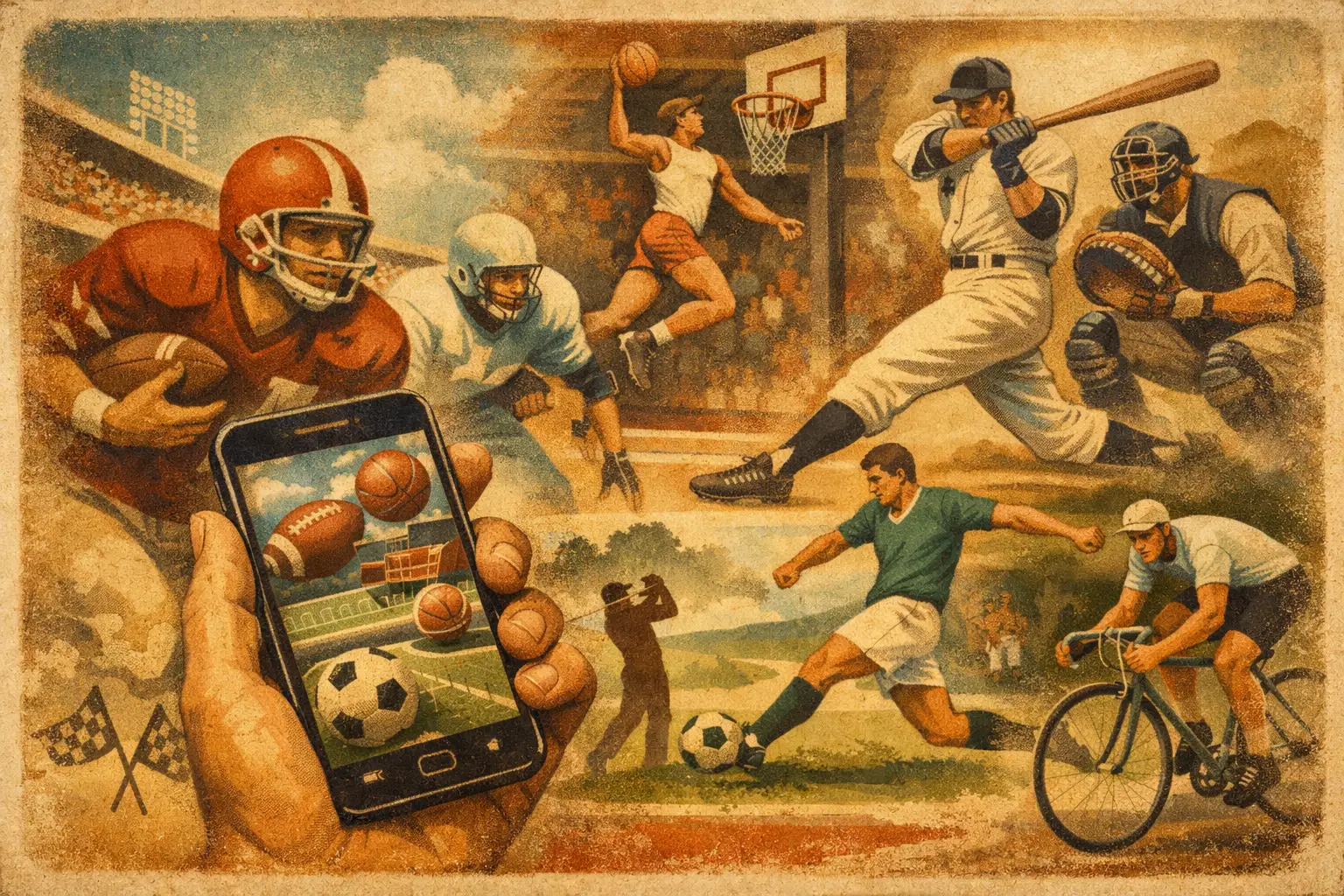
Open your phone on a Friday at 5:30 and the real question is not whether you want to play. It’s whether you can find a court, enough people, and a game that actually happens.
That’s where an iOS sports app either proves its value fast or gets deleted just as fast.
For most players, the job is simple. Help me find where to play, who to play with, and give me a reason to come back tomorrow. But plenty of sports apps still miss that. They track scores but don’t help you get on the field. They serve one sport well but ignore everything else. They make competition feel serious while making coordination feel like work.
If you’re choosing an iOS sports app, or thinking about what a better one should look like, the difference comes down to whether it moves you from intent to action.
What an iOS sports app should actually solve
A good sports app is not just a stats screen with a nicer interface. It should reduce the friction between wanting to play and having a game scheduled.
That means discovery has to come first. You need to find nearby venues, open runs, pickup games, local players, and teams without digging through group chats or outdated posts. If you travel often, it should work outside your home neighborhood too. If you play multiple sports, it should not force you into a single-sport silo.
The second job is coordination. Can you create an event in under a minute? Can other players join without confusion? Can organizers see who’s in, who’s out, and who keeps showing up? For casual sports, this matters more than most app feature lists admit. A game with reliable attendance beats a fancy app dashboard every time.
Then comes motivation. The best products give you a reason to keep participating, not just because exercise is good for you, but because progress feels visible. Stats, streaks, achievements, ratings, challenges, and team competition all matter when they reflect real activity. If they feel bolted on, people ignore them.
The best iOS sports app feels like a network, not a tool
This is where a lot of apps split apart.
Some are basically scheduling tools. Useful, but narrow. Some are training trackers. Great if you already have a routine, less helpful if your real problem is finding people to play with. Some focus on leagues only, which works for committed players but leaves out anyone who wants low-pressure pickup games or a quick challenge after work.
A better iOS sports app acts more like a sports network. It connects venues, players, teams, events, and competition in one place. That matters because playing sports is social by default. Even in individual sports, people want rivals, partners, local courts, and some sense of progression.
When those pieces live together, the app starts to feel alive. You can discover a venue, join an event there, meet players, challenge them later, form a team, and eventually compete in a league. That path feels natural because it mirrors how sports communities actually grow.
Why multi-sport matters more than people think
A lot of people don’t play just one sport all year.
They might hoop twice a week, play tennis on weekends, join a coed soccer game once a month, and try something new when friends invite them. Students do this. Young professionals do this. Travelers do this. Even serious athletes cross over more than most sports platforms account for.
That’s why single-sport apps can feel limiting. They build a good community for one game but make your broader sports life more fragmented. Now you need one app for tennis, another for soccer, a text thread for basketball, and social media for everything else.
An iOS sports app that supports many sports has a harder product challenge, but it solves a more realistic user problem. It gives people one home base for participation. That is especially useful for newer players who are still figuring out what they enjoy and don’t want to join a rigid league on day one.
The trade-off is focus. A multi-sport product has to work hard to keep discovery relevant and local. If it feels too broad, people won’t care. But when it gets this right, it becomes much more useful than a niche utility.
Features matter, but only when they create momentum
Most sports apps advertise features like they’re the product. They’re not. What matters is whether those features create momentum.
Events are a good example. Creating and joining events should feel fast, obvious, and social. Not administrative. Challenges should make competition easy, especially for players who want a direct path to a rematch or a new opponent. Teams should help recurring groups stay organized without turning every game into a formal commitment.
Leagues add another layer. For some communities, structured competition is the goal. For others, it’s something they grow into after pickup games build trust and consistency. That’s why flexibility matters. An app should support both casual and competitive behavior without making either one feel second-class.
Stats and trophies can be powerful too, but only if they reward actual participation and improvement. If you log games, earn achievements, set goals, or build a visible history, you’re more likely to return. Recognition changes behavior. It turns one game into a streak, and a streak into a routine.
Ratings and reviews bring another dimension. Used well, they create accountability and help communities identify reliable players. Used poorly, they can feel harsh or gamed. It depends on the culture of the app and how clearly expectations are set.
The social layer is what keeps people from dropping off
Plenty of people download a fitness or sports app with good intentions. Fewer keep using it after the first burst of motivation.
The reason is usually not design. It’s isolation.
When your app activity connects you to other people, habit becomes easier to maintain. A teammate notices if you stop showing up. A challenger wants a rematch. A local organizer posts another run. A venue gives you a place to anchor your week. Suddenly this is not just another icon on your home screen. It’s how you stay in motion.
That’s also why social features should be practical, not decorative. Messaging alone is not enough. The platform should make participation visible and useful. Who’s nearby? Who’s active? What’s open tonight? Where can I play while traveling? Who’s building a team? Those are the questions that matter.
What to look for before you commit to an iOS sports app
Start with the basics. Does it have enough activity in your area, or a clear path to creating that activity yourself? A great feature set means very little if nobody nearby is using it.
Next, look at how many sports it supports and whether discovery is actually organized well. Breadth is good, but only if you can still find your lane fast.
Then look at the community model. Some platforms treat users like passive customers. Others make the product feel more collaborative. That difference matters, especially in sports, where local behavior shapes value. If users can help shape features, vote on priorities, or build early with the product team, the experience often feels more alive.
That builder mindset is part of why platforms like Crewters stand out. The pitch is not just download and browse. It’s find your crew, create events, challenge players, join teams, compete in leagues, and help shape what gets built next. That makes the app feel less like a finished utility and more like a sports network growing with its community.
The future of the iOS sports app is participation-first
The category is getting more interesting because users want more than tracking. They want motion. They want belonging. They want proof they’re improving. And they want it without having to manage five disconnected tools.
So the best iOS sports app will not win just by looking polished or adding more dashboards. It will win by making sports easier to start, easier to repeat, and more rewarding to stick with.
That can mean pickup basketball after work. A tennis challenge with someone new. A soccer team that starts casually and turns competitive. A live-streamed event that earns rewards. A profile that reflects your actual effort over time, not just your sign-up date.
If an app can support all of that, across sports, across cities, and across skill levels, it stops being just another download. It becomes part of how people build their week.
And that’s the real bar. Not whether an app says it serves athletes, but whether it gets more people out the door and into games they’re excited to show up for.