
Sports Challenges That Get People Playing
March 21, 2026
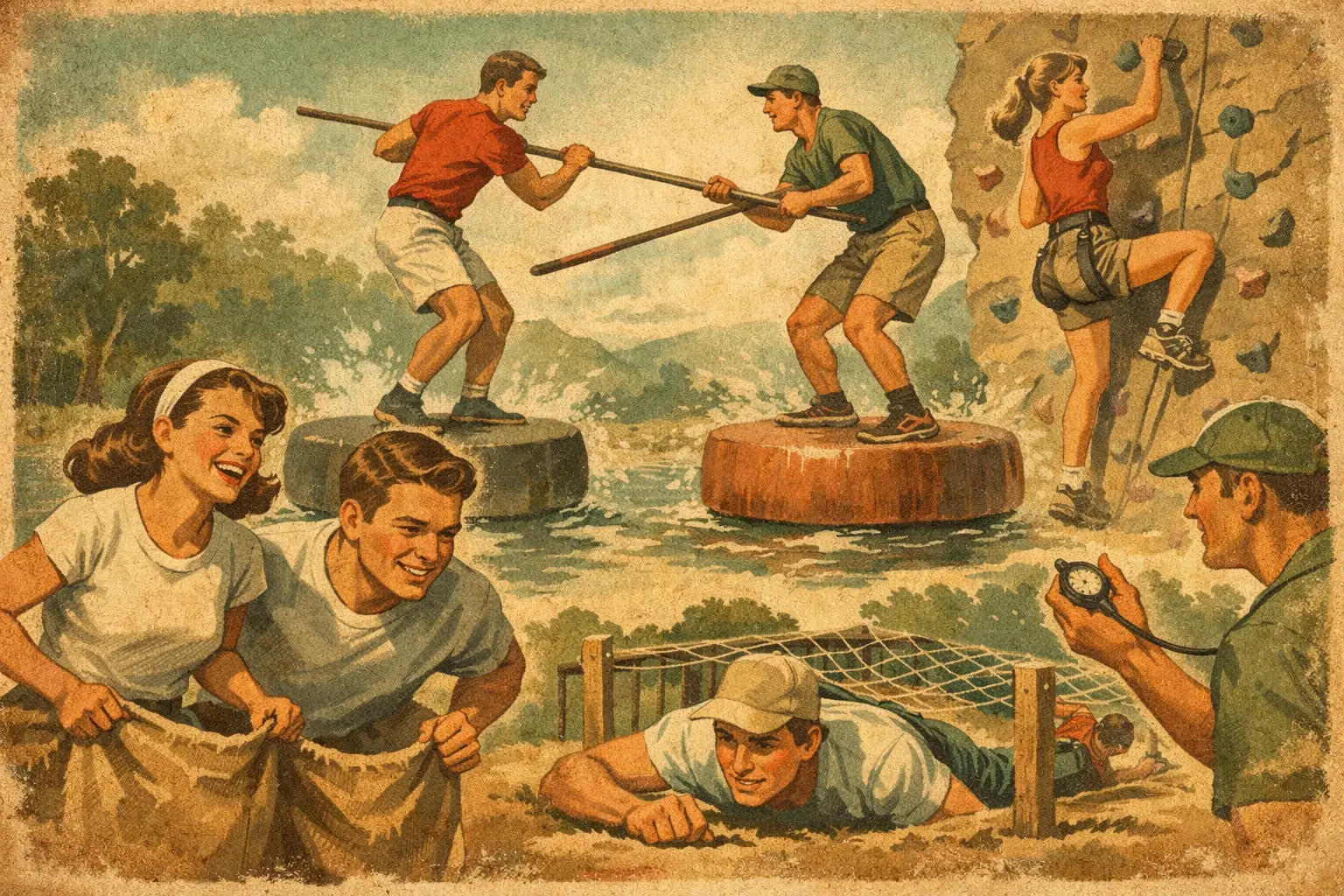
A good challenge does something a group chat rarely can - it gets people off the couch and onto a court, field, track, or trail. That’s why sports challenges matter. They turn vague plans like “we should play sometime” into a real matchup, a score to settle, and a reason to show up.
But not all challenges work the same way. Some create momentum. Some create friction. Some are perfect for serious competitors, while others are the easiest way to help new players stop lurking and start joining. If we want sports apps to be fun again, sports challenges can’t just be a button you tap. They need to create action, accountability, and a sense that every game means something.
Why sports challenges work so well
At their best, sports challenges solve a motivation problem and a coordination problem at the same time. Motivation is simple: people are more likely to play when there’s a clear opponent, a clear time, and a little competitive pressure. Coordination is trickier. A lot of players want more games, but they don’t want to spend half their day texting ten people to make one happen.
A challenge cuts through that. It gives one player a way to say, “I’m ready - are you?” That can be a one-on-one tennis match, a five-on-five basketball run, a rematch after last week’s loss, or even a beginner-level meetup where the challenge is simply showing up and competing for the first time.
There’s also a social reason challenges stick. A public or semi-public challenge creates light accountability. Nobody wants to be the person who talks big and never plays. That small bit of pressure is useful. It makes participation feel real without requiring the commitment of a long league season.
The best sports challenges are easy to accept
A lot of platforms overcomplicate this. They treat challenges like mini contracts with too many steps, too many settings, or too much setup before anyone can actually play. That kills momentum.
The best sports challenges feel immediate. You see who’s involved, what sport you’re playing, where it might happen, and what’s at stake. Maybe it’s pride. Maybe it’s rating points. Maybe it’s a streak, a trophy, or just bragging rights until the next rematch. The important part is clarity.
This matters even more for casual players. Experienced athletes can tolerate a little friction because they already know the routine. Newer players usually won’t. If your challenge flow assumes everyone already has a full team, a favorite venue, and a fixed weekly schedule, you’re building for the smallest slice of the market.
A better model is simple: find players, pick a venue, set the game, and let the result count for something. That’s where challenge systems start becoming useful instead of decorative.
Competition is good, but context matters
There’s a difference between a challenge that motivates and one that scares people off. This is where a lot of sports products miss the mark. They build for highly competitive users and assume everyone else will adjust.
That works if your audience is narrow. It fails if you want a real sports network across skill levels and across different sports.
A first-time pickleball player should be able to accept a challenge without feeling like they’re walking into a hostile ranking ladder. A college soccer player might want that exact intensity. A traveling basketball player may just want to find a decent run in a new city with enough structure to know people will actually show.
So the trade-off is clear. The more serious your challenge system becomes, the more rewarding it is for competitive users - but the more intimidating it can be for everyone else. The answer isn’t removing competition. It’s giving people the right lanes.
Skill filters, casual vs. competitive labels, team size options, and clear event descriptions all help. So do ratings that reward reliability and sportsmanship, not just wins. Winning matters. So does being the kind of player people want to challenge again.
Sports challenges need more than a scoreboard
A final score is the obvious endpoint, but it shouldn’t be the only outcome. The strongest challenge systems create progression over time.
That’s where stats, achievements, streaks, and trophies start doing real work. Not fake gamification. Real motivation. If a user can look back and see how many matches they’ve played, how often they’ve shown up, who they’ve beaten, and where they’re improving, every challenge feels connected to a bigger arc.
This is especially powerful for everyday athletes. Most people are not training for a pro contract. They still care about progress. They want proof they’re getting better, playing more, and building consistency. A challenge that feeds into that journey has staying power.
It also helps organizers and community leaders. When repeated play creates visible momentum, it becomes easier to keep a local sports scene active. Players return because there’s continuity. They’re not starting from zero every weekend.
What makes a bad sports challenge experience
Usually, it’s not the idea that fails. It’s the details.
If players can challenge each other but can’t easily confirm a venue, the challenge stalls. If results matter but there’s no trust in how scores are reported, the system feels flimsy. If ratings exist but are easily manipulated, serious players stop caring. If the challenge is fun for one sport but awkward for 121 others, the product becomes fragmented fast.
Another common problem is forcing users into formats that don’t match how they actually play. Some sports are built for direct one-on-one challenges. Others work better through pickup events, team invites, or recurring league play. A smart platform recognizes that a challenge can be the entry point, not always the entire experience.
That flexibility matters. One basketball challenge might grow into a full recurring run. One tennis rivalry might stay a clean one-on-one ladder. One beginner volleyball challenge might lead to a group forming a team. Good systems leave room for all of that.
Why sports challenges are bigger than one match
A challenge is rarely just a challenge. It’s often the first social handshake.
That’s what makes this feature more important than it looks. When done right, sports challenges help users discover who plays nearby, which venues are active, what level the local community is at, and whether a sport feels welcoming. That’s not just engagement. That’s network growth rooted in real-world participation.
For a community-first sports platform, this is where things get interesting. The challenge isn’t the end product. It’s one of the fastest ways to turn passive users into active ones, active users into regulars, and regulars into organizers.
That’s also why an all-sports approach matters. People don’t always live in one lane. Someone might join for basketball, then notice soccer games, tennis players, running groups, or a niche sport they haven’t tried in years. A strong challenge system should support that curiosity instead of trapping people in one silo.
On Crewters, that kind of movement is part of the point. We’re building for the full sports lifestyle - finding places to play, joining events, challenging other players, forming teams, and turning casual activity into something that actually sticks.
The future of sports challenges is community-led
The next wave of sports products won’t win by adding more buttons. They’ll win by making participation easier, more social, and more rewarding across every level of play.
That means challenge systems have to keep evolving. Players want better matchmaking. Organizers want tools that reduce no-shows. Casual users want low-pressure ways to join. Competitive users want performance history that means something. Venues benefit when demand is visible and games are easier to organize. Everybody wins when the challenge leads to a real game instead of another dead thread.
It also means building with users, not just for them. The best sports communities are shaped by the people who actually play - the ones setting up runs after work, finding courts while traveling, bringing friends into a new sport, and caring enough to ask for better tools.
That’s the bigger opportunity here. Sports challenges are not just a feature for competitive people. They’re infrastructure for participation. They help create rhythm, recognition, and repeat play. They make local sports feel alive.
And if a challenge can do that - get one more person to show up, one more group to become a crew, one more game to actually happen - then it’s doing exactly what modern sports apps should have been doing all along.