
Is It Safe to Join Pickup Games?
March 26, 2026
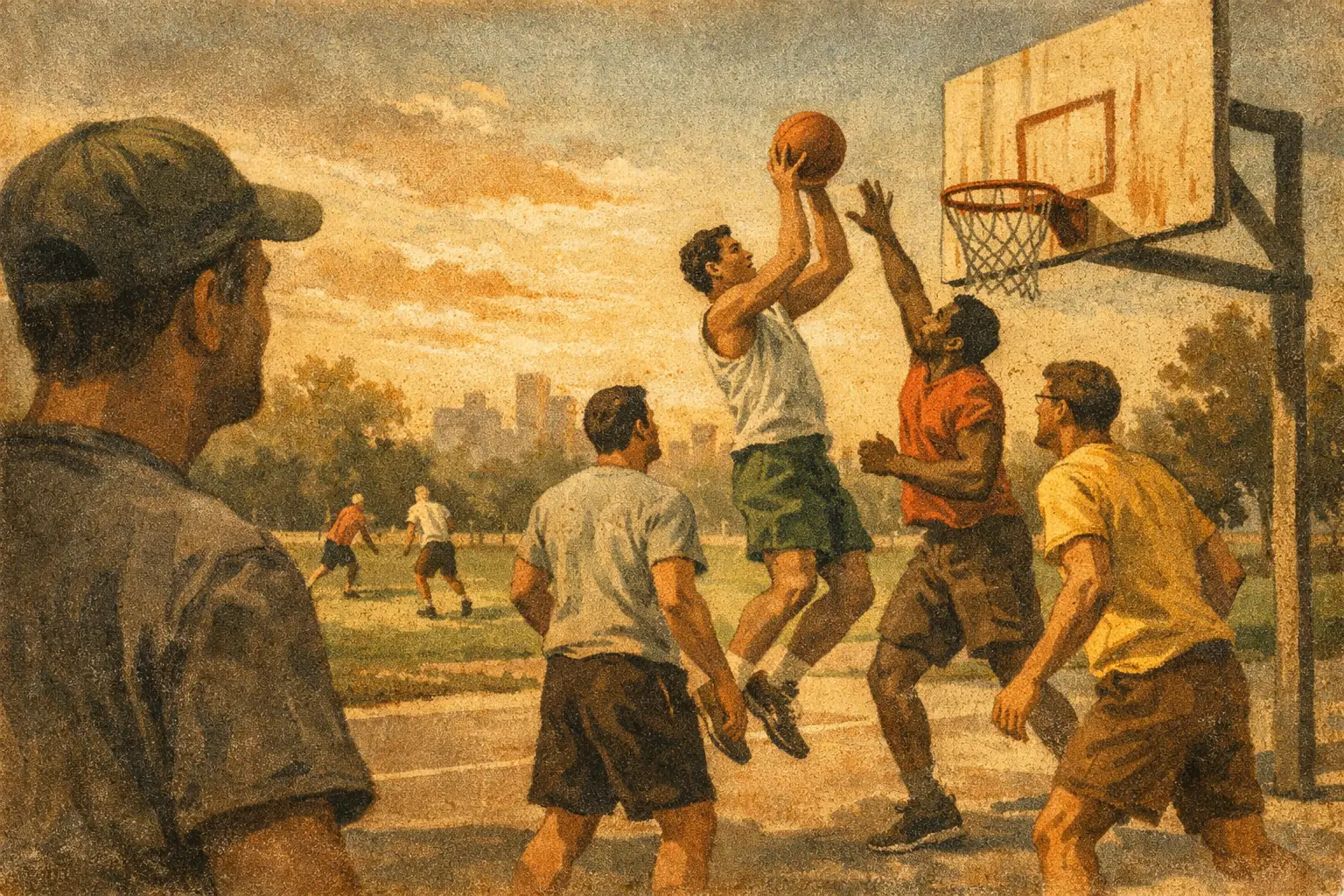
The text thread says game on at 7. You don’t know anyone in it. The court is across town. Half the group has profile photos, half doesn’t. That’s usually the moment people ask: is it safe to join pickup games?
The honest answer is yes, often - but not automatically. Pickup sports are one of the best ways to meet players, stay active, and turn free time into actual game time. They can also be messy when details are vague, organizers are flaky, or the environment feels off. Safety comes down to context, not just the sport.
If you want the upside of pickup games without walking into avoidable problems, the move is simple: vet the game, vet the setting, and trust your read. You do not need a perfect system. You need a few smart filters.
Is it safe to join pickup games for the first time?
For most people, joining a pickup game is reasonably safe when the event has clear details, a real organizer, and a public venue. That covers a lot of basketball runs, soccer sessions, tennis meetups, and casual community games. The risk usually rises when the basics are missing - no clear location, no real headcount, no rules, no communication, or pressure to send money before you know what you’re joining.
A first-time pickup game should feel organized enough that you know who is hosting, where you are going, what level of play to expect, and what the format looks like. If you cannot get straight answers on those things, that is not you being difficult. That is you doing basic screening.
There is also a difference between physical safety and social safety. A game can be in a public park and still be a bad fit if the group is overly aggressive, disrespectful, or chaotic. On the flip side, a competitive run with solid regulars can be intense but still feel totally under control because expectations are clear.
What actually makes a pickup game feel safe
The safest pickup games usually share a few traits. First, they happen at known venues - public courts, rec centers, fields, gyms, and clubs where other people are around. Second, they have visible structure. That might mean a host who posts start times, caps attendance, explains payment up front, or lays out simple rules.
Third, the players act like they plan to see each other again. That matters more than people think. When a game has community accountability, behavior tends to improve. People communicate better, show up on time, and are less likely to start pointless conflict. Sports are more fun when the group wants a long-term run, not one random night.
This is where modern sports communities are getting better. Instead of relying on scattered group chats and last-minute texts, more players want profiles, ratings, event details, and a clearer path from “I want to play” to “I know what I’m joining.” That kind of visibility does not remove every risk, but it cuts down on the guesswork.
Red flags you should not ignore
Some pickup games are not dangerous in a dramatic way. They are just poorly run enough to waste your night or put you in a dumb situation. That still counts.
If an organizer refuses to share basic details, changes the location at the last minute, or avoids direct questions, walk away. If the event sounds too open-ended - maybe the skill level is “all welcome” but the tone in the chat is hostile or cliquey - assume the experience may not match the invite.
Money is another checkpoint. Some paid runs are great. Gym rentals and league-quality fields cost money. But if someone asks for payment before confirming the venue, format, and attendance, slow down. You should know what you are paying for.
Also pay attention to the way people talk to each other before the game. Trash talk is part of sports culture. Threatening language, harassment, or weird pressure is something else. If the energy is off before the opening whistle, it rarely improves after it.
How to check a pickup game before you go
You do not need to do detective work. A fast pre-check is enough.
Start with the venue. Is it a real place you can identify? Is it public, staffed, or well-trafficked? Evening games are common, but if the location is isolated and you have never been there, that changes the equation.
Then check the organizer. Do they seem reachable? Have they posted useful details? Do they respond like someone trying to build a good game, or like someone trying to fill space with zero accountability?
Next, look at the player mix. You are not looking for perfection. You are looking for signs of a real group. Familiar names, consistent RSVPs, prior game activity, and actual conversation are all good signs. A game made up entirely of strangers can still be fine, but a little history helps.
Finally, ask practical questions. What’s the format? How many players are expected? Is there a fee? What gear do I need? What’s the level of contact? Good organizers answer clearly because they want good turnout and repeat players.
Physical safety matters just as much
When people ask is it safe to join pickup games, they often mean stranger danger. Fair enough. But the more common issue is injury.
Pickup games can be unpredictable. Skill levels vary. Warmups are inconsistent. Some players are there for cardio, others are treating a Tuesday run like a playoff game. That mismatch creates risk.
Protect yourself with basics that sound boring because they work. Wear the right shoes. Bring water. Warm up before the first point, possession, or sprint. If the game is more physical than advertised, adjust or leave. You are not obligated to prove toughness to people you met 10 minutes ago.
Skill fit matters too. Newcomers sometimes join advanced runs and end up in dangerous spots because the pace is too high. Experienced players can have the opposite problem in beginner games where movement is less controlled. The best pickup sessions are competitive and readable. You should feel challenged, not blindsided.
The social side: comfort is part of safety
Not every concern is about injury or scams. Sometimes you just want to know whether you’ll be welcomed.
That matters. A lot. Pickup sports should lower the barrier to play, not recreate the same gatekeeping that makes people quit. If you are new to a sport, coming back after time off, traveling, or joining solo, the environment matters almost as much as the score.
A good group makes room for introductions, explains local norms, and keeps the competitive edge without making the session miserable. You can usually sense this quickly. Are people helping the game start, rotating fairly, and keeping things respectful? Or are they freezing people out and arguing every call?
You do not need everyone to become your best friend. You do need enough basic respect to play comfortably. That standard is not too high. It should be normal.
When the answer is yes - and when it’s no
Yes, it is safe to join pickup games when the game is transparent, the venue is legitimate, the host communicates clearly, and the overall vibe matches what was promised. That is true for a lot of community sports, especially when there is some layer of accountability built into the experience.
No, it is not worth it when details are vague, the organizer is evasive, the venue feels sketchy, or the group gives off hostile energy before you even arrive. You are not missing out by skipping bad setups. You are saving your time for better ones.
There is also a middle ground. Some games are safe enough, but not for you. Maybe the level is too intense. Maybe it is too far away. Maybe it starts too late. Maybe the only thing you know is that twenty people clicked in and nobody said a word. You do not have to force it just because you want to play.
The best sports communities make that decision easier by showing you more up front - who is playing, where it’s happening, what kind of run it is, and how players show up for each other. That’s a big part of what we’re building at Crewters: a better way to find your crew, join games with more confidence, and help shape the kind of sports network players actually want to use.
If you are curious about a pickup game, trust the basics. Look for structure. Ask a few direct questions. Choose settings with visibility and accountability. Then go play. The right game will not need hard selling - it will make sense before you ever step on the court.