
How to Join Sports Teams That Fit You
March 22, 2026
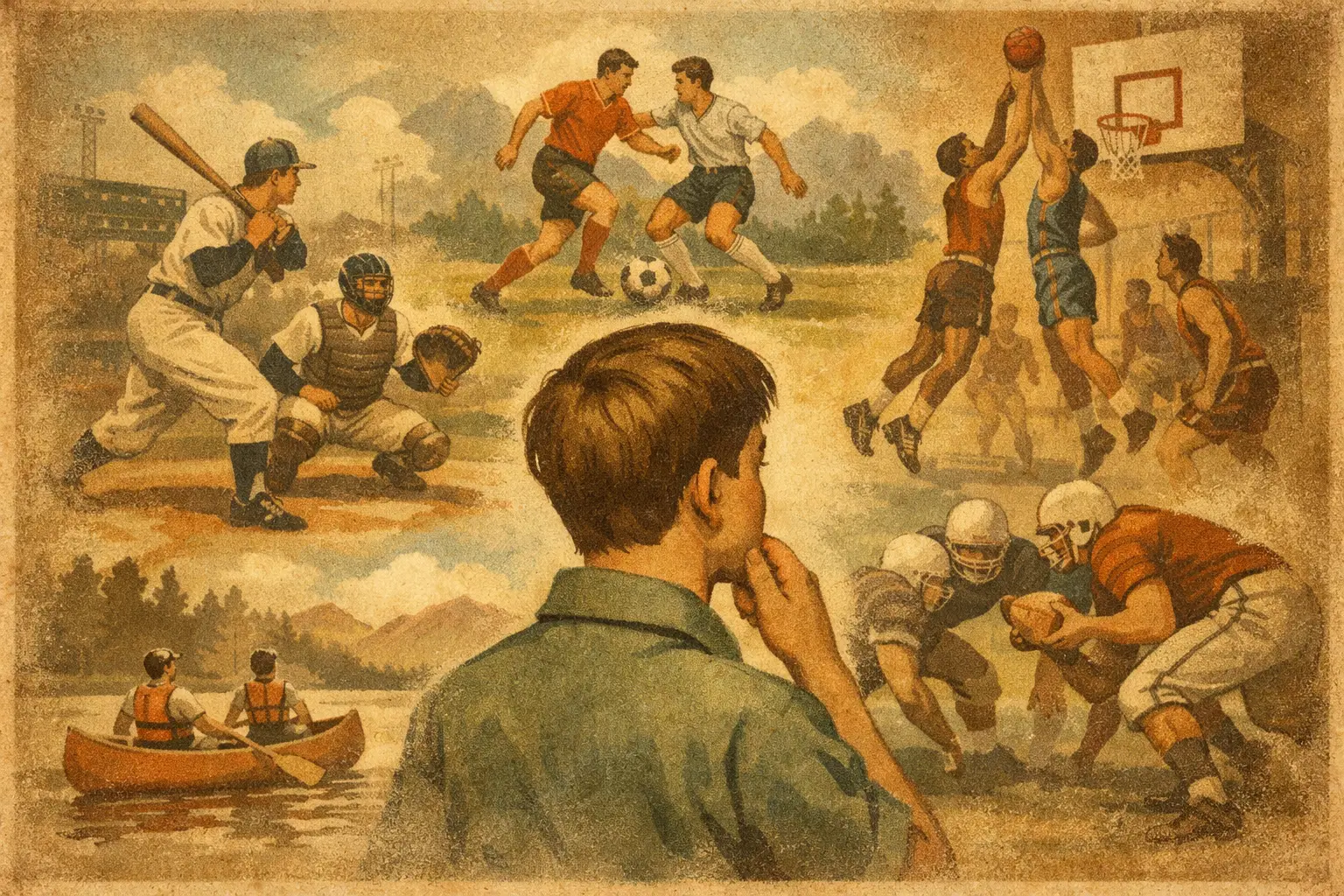
Some people make joining look easy. They already know the group chat, the field, the captain, and the unspoken rules. Everyone else is left staring at a dead rec league page or texting three friends who all say, “I’m down,” then never commit. If you want to join sports teams, the real challenge usually is not motivation. It is access, timing, and finding a group that matches how you actually play.
That matters more than most people admit. The wrong team can kill your momentum fast. Maybe the skill level is way above yours. Maybe the team says it is casual but treats Tuesday night like a playoff final. Maybe it is organized by one person who disappears every other week. Finding the right fit is what turns “I should play more” into an actual routine.
Why people struggle to join sports teams
Most players are not blocked by effort. They are blocked by fragmented sports communities. One sport lives in text threads, another in Instagram stories, another in a league site that looks untouched since 2017. If you play more than one sport, or just want options while traveling or after moving, the search starts over every time.
There is also a social barrier. Established teams often feel closed even when they say they welcome new players. Newcomers worry about showing up alone, being the weakest player, or not knowing anyone. That is true for beginners, but it also hits experienced players who simply changed cities, work schedules, or fitness levels.
Then there is the format problem. A lot of people do not actually want to commit to a full league right away. They want a lower-pressure way in - a pickup run, a casual hit, a short challenge, one good session that leads to the next one. If the only option is “join a season now,” plenty of players never start.
Join sports teams the smart way, not the hard way
The best approach is to stop thinking only in terms of official teams. A team is often the result, not the starting point. First you need repeat play, some trust, and a clear sense of level. That usually starts with smaller commitments.
If you are trying to get active again, start with pickup games or open events. If you are more competitive, look for structured play where people track attendance and show up consistently. If you are brand new to a sport, look for beginner-friendly groups that make the expectations obvious. “All levels welcome” sounds nice, but it means nothing unless the group is actually organized around different levels.
The fastest path is simple: find where people already gather, play once, and use that first session to identify who organizes, who communicates clearly, and who shows up every week. Those are the people who build teams that last.
Start with your real goal
Be honest about what you want from sports right now. Do you want exercise, competition, social connection, skill growth, or a regular weekly routine? You can want more than one thing, but one should lead.
If your main goal is fitness and consistency, a flexible team or recurring pickup group may serve you better than a strict league. If your goal is improvement, you need players at or slightly above your level and some way to measure progress. If your goal is community, reliability matters more than standings.
This sounds obvious, but it changes where you look and what you say yes to. A lot of bad sports experiences come from joining the wrong environment for the season of life you are actually in.
Pick level before sport culture picks it for you
One of the biggest mistakes people make when they join sports teams is aiming too high or too low because they do not want to label themselves accurately. That creates frustration on both sides.
If you are a casual player returning after a long break, join a group that values reps and attendance over perfect execution. If you are advanced, find players who want structure, sharper competition, and accountability. There is no trophy for pretending you belong in the wrong level. Better fit means more touches, more confidence, and a better chance you keep coming back.
Skill is not the only factor, either. Pace, communication style, and seriousness matter. A medium-level team with good energy may fit you better than a high-level team that feels tense and closed off.
Where to find teams now
Good teams rarely appear because you searched “adult basketball near me” and hit the jackpot on the first click. More often, they grow out of connected systems: venues, repeat events, challenges, rec leagues, and social networks built around play.
That is why all-in-one sports communities have an edge. Instead of chasing disconnected pages, you can move through the full path in one place - discover a venue, join an event, meet players, get invited back, and then form or join a team when the chemistry is there. That flow is especially useful if you play multiple sports or want to stay active while traveling.
Platforms built around events, teams, leagues, stats, and player ratings also solve a trust problem. You can see who actually plays, who organizes, and who follows through. That makes it easier to decide whether a group is worth your time.
Turn one game into your next five
The first session should never be treated like a one-off. If you enjoyed the game, act on that immediately. Add people, respond in the chat, ask when they play next, and look for the organizer or captain. Momentum dies when follow-up takes three weeks.
This is where good sports apps should do more than list games. They should help you stay in the loop, issue direct challenges, track results, and create repeat interactions. The easier it is to go from “good run” to “same time next week,” the more likely that casual participation becomes team membership.
For community-minded players, this is also where sports gets more fun. You are not just joining an activity. You are building your own local network.
What to look for before you commit
A decent team is easy to find. A good fit takes a little more attention. Watch how the group communicates. Are details clear? Do people confirm? Are start times real or imaginary? Does the organizer make room for new players, or do you feel like a fill-in body?
Pay attention to how the team handles ability gaps and mistakes. Healthy groups compete hard without making every error feel personal. That balance matters if you want to improve and still enjoy showing up.
You should also look at consistency. Great vibes once do not mean much if the game falls apart every other week. The best teams are not just talented. They are dependable.
The best teams make progress visible
People stay engaged when they can feel improvement. That can come from wins, but it can also come from stats, milestones, player ratings, and small achievements that make effort visible. Sports should feel alive between games, not just during them.
That is one reason we’re building for more than scheduling. A better sports network gives players a reason to keep showing up, compete with intention, and see the results of consistency over time. If your team experience starts and ends with a generic calendar invite, it is missing what makes sports sticky.
If you are new, you still belong here
A lot of people delay joining because they think they need to “get in shape first” or “practice more before showing up.” Usually the opposite works better. Playing is how you get in shape. Playing is how you improve.
The key is choosing the right entry point. Start with lower-pressure games, be upfront about your level, and look for communities that welcome repeat beginners, not just polished players. Every established team was new once. Every regular player had a first game where they did not know anybody.
You do not need a perfect sports resume. You need one solid starting point and a group that wants you back.
Join sports teams with a builder mindset
The strongest sports communities are not passive. Players create events, invite friends, challenge each other, rate the experience, and help shape what gets built next. That is how local sports gets better - not by waiting for someone else to organize the perfect setup, but by participating in it.
If you cannot find the exact team you want, start smaller. Join a recurring event. Build chemistry with a few reliable players. Set a challenge. Create your own crew. Structured teams often come out of people who got tired of waiting and started making the game happen themselves.
That is a better mindset for modern sports anyway. Flexible when it needs to be, competitive when it counts, and always grounded in real participation. If you are ready to play, there is no reason to stay stuck on the outside.
Find your level. Show up once. Follow up fast. The right team usually starts with one good game and the decision to come back.