
A Clear Example of Venue Led Sports Growth
July 18, 2026
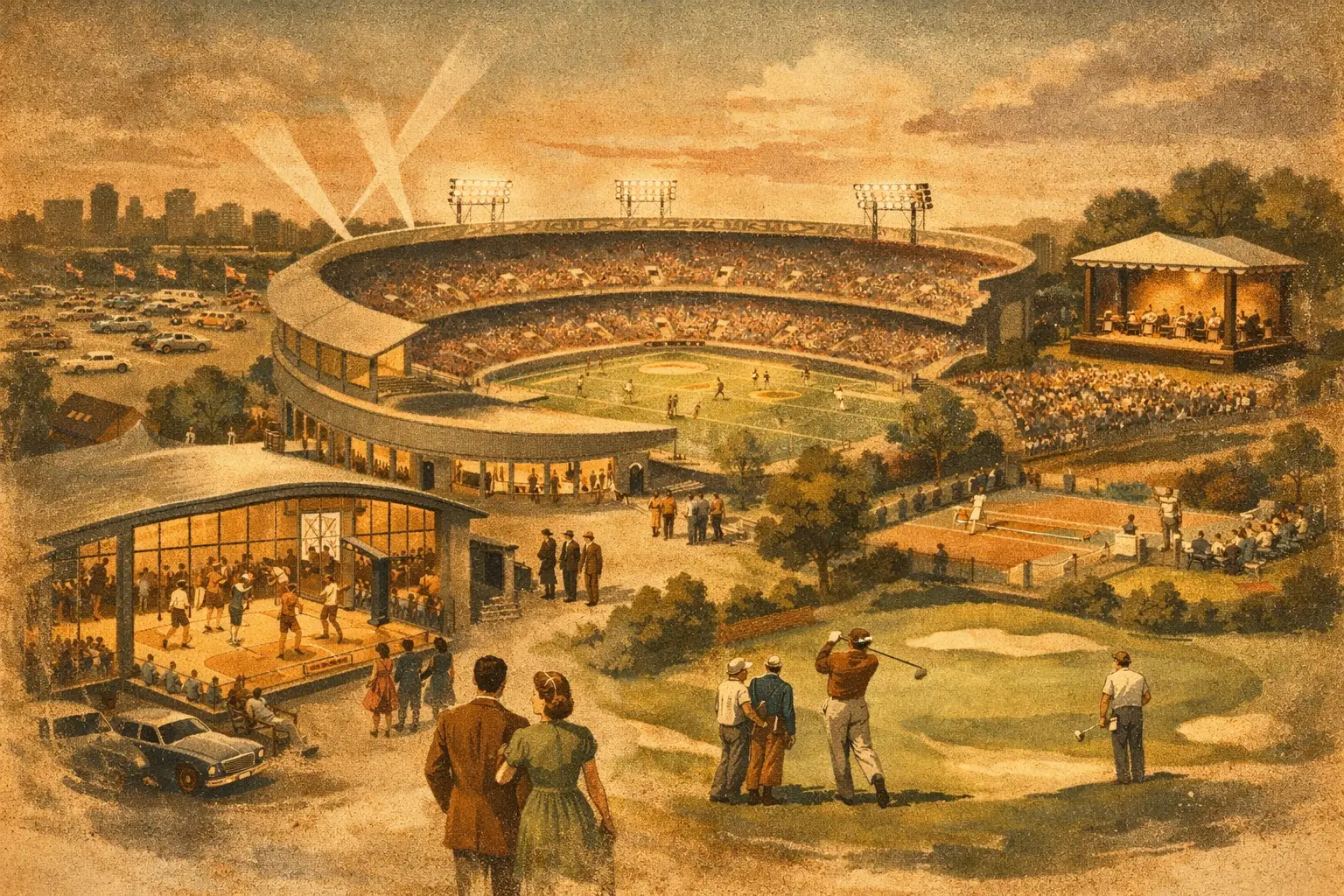
A sports venue can have excellent courts, a prime location and spare capacity, yet still feel quiet after work. The missing piece is often not another advert or a bigger booking discount. It is a reason for people to return together. This example of venue led sports growth shows how a venue can turn unused time into a repeatable local playing community - and why players, not promotions, create the momentum.
The venue problem: availability is not participation
Picture a multi-sport leisure centre with five-a-side pitches, basketball courts, tennis courts and a small studio. Weekday evenings are busy, but Tuesday afternoons, late Sunday slots and sections of the daytime timetable are underused. Staff can publish availability online, but a free court does not automatically become a game.
For a player, booking is only one part of the job. They need enough people, a clear skill level, confidence that others will show up and a format that feels worth their time. A newcomer may want a casual basketball run but avoid joining because they do not know anybody. A regular football player may have six mates in a group chat but struggle to replace the two who cancel each week.
That friction is where growth stalls. The venue sees empty inventory. Players see an effort problem. Venue-led sports growth starts when the venue treats those two problems as connected.
An example of venue-led sports growth in action
Instead of simply selling court slots, the leisure centre launches three recurring player-led sessions: social five-a-side on Tuesday evening, mixed-level basketball on Thursday, and beginner-friendly tennis doubles on Sunday morning. Each session has a named format, a capacity, an entry cost and a clear expectation around ability and attitude.
The important shift is that the venue does not try to manufacture a community alone. It gives local organisers the tools and incentives to bring one to life. A trusted regular can host a session, invite friends and welcome new players. In return, the organiser receives a discounted place or venue credit once attendance reaches a set level.
At first, the venue keeps the offer tight. It does not launch twenty sports at once or fill the timetable with vague “open play” listings. It tests the sports that already have signals of demand: regular informal bookings, enquiries at reception and nearby local groups looking for a reliable home.
Within a few weeks, the Tuesday football group becomes predictable. Players join because they know the standard is social but competitive, the game starts on time and there is a reliable route in without needing a full team. Some attendees book separate pitch time on other nights. Others invite colleagues. A small percentage become organisers themselves.
The growth is not just a fuller Tuesday slot. It is a loop:
- A venue makes a session easy to find and easy to join.
- Players have a good experience and build recognition with others.
- Regular attendance makes the session more dependable.
- Dependability encourages more players to commit.
- More committed players create bookings, teams, challenges and demand for additional sessions.
That is the difference between a one-off promotion and a sporting community with staying power.
Why recurring sessions beat one-off events
One-off events can create a spike, especially around a launch or holiday period. But they ask players to make the same decision from scratch every time. Recurring sessions lower that mental load. People begin to protect the time in their week because it becomes part of their routine.
Routine matters in recreational sport. It helps someone who wants to get fitter, someone returning after time away and someone who simply wants a dependable social outlet. The venue benefits too: it can forecast demand, staff sensibly and decide when an extra court or later session is justified.
Consistency should not mean inflexibility. A session can change if attendance is telling you something. If a mixed game repeatedly attracts players at very different levels, split it into social and competitive slots. If Sunday tennis fills but Wednesday does not, protect the successful slot before expanding. Build from behaviour, not assumptions.
Make the venue the starting point, not the gatekeeper
The most successful venues remove the awkward bits without trying to control every interaction. They set standards, provide the space and make practical information obvious: where to check in, what equipment is available, what happens if it rains, whether changing rooms are open and how late players can cancel.
Then they leave room for players to shape the culture. A great organiser knows whether their group wants music during warm-ups, post-match drinks or a strict rotating-sub system. They can make a new face feel included in a way a generic booking page cannot.
This is why venue-led does not mean venue-only. The venue leads by creating the conditions for participation. The community supplies the energy, accountability and invitation that turn a location into a place people identify with.
For a UK venue, this can also mean designing for local realities. A floodlit pitch near a station may work brilliantly for commuters. A university-area basketball court may need late sessions during term time and a different approach over summer. A tennis venue with a strong daytime audience may find its best growth opportunity in beginners, parents and flexible workers rather than another evening league.
Give players progression, not just a booking confirmation
A booking gets a player through the door. Progression gives them a reason to come back.
The centre in this example starts tracking simple participation signals: games attended, sessions hosted, teammates invited and streaks of weekly play. It celebrates milestones at the venue and in the player community. The first ten games, a first hosted session or an unbeaten run can carry more meaning than a generic loyalty stamp because it is tied to effort and identity.
Competition can deepen this effect when it stays welcoming. Football groups can form teams for a short league. Basketball players can issue a challenge to another crew. Tennis regulars can arrange a ladder. Players who prefer less pressure can stay with social sessions while still collecting personal goals and attendance achievements.
The trade-off is clear. Too much emphasis on rankings can make casual players feel exposed, while no sense of progress can make participation feel disposable. Give people multiple ways to belong: social, competitive, improving, organising or supporting their team.
Crewters is built around that wider journey. Players can find venues, create pickup events, join teams, issue challenges and build a record of their participation across 122 sports. For venues, the opportunity is not merely to be listed. It is to become the reliable base where local crews keep coming back to play.
Measure the behaviours that show real growth
A packed launch night is encouraging, but it is not proof of sustainable venue-led growth. Look for repeat participation. How many first-time players return within four weeks? Which sessions consistently fill? How often do attendees bring another person? Are organisers creating new games without staff having to chase them?
Revenue still matters, of course. Track court utilisation, secondary bookings, league entries and spend around the visit where relevant. But pair those figures with community health. A session that sells out because the same organiser carries everything may be fragile. A session with several active hosts, new-player conversion and a healthy return rate is far more resilient.
Feedback should be part of the operating model, not a once-a-year survey. Ask players what would make them attend again. Was the level right? Did the host communicate clearly? Was there enough time to play? Were changing facilities acceptable? Small operational fixes can protect a community long before a bigger marketing campaign would help.
Start small, then let the community earn expansion
Venue-led sports growth works best when the next move is earned. If one social football session develops a waitlist, add a second slot or create a team pathway. If tennis doubles brings in complete beginners, offer a coached starter block before moving them towards regular play. If players want more variety, test another sport with a real host and a defined audience.
Avoid copying every trend. A padel court, esports night or boutique fitness format may be right for one site and wrong for another. The better question is whether the idea makes it easier for your local people to play together again next week.
The venue that wins is not necessarily the one with the most facilities. It is the one that helps a player go from “Anyone up for a game?” to “See you Tuesday.” Build that habit with your community, let them influence what comes next, and your empty slot can become somebody’s favourite part of the week.